Cancer types
Cancer types - start from your diagnosis or the body part affected
Explore each cancer as a decision path: subtype, stage, biomarkers, previous treatment, and the questions that come next.

Diagnosis
The tissue type is confirmed by pathology.
Subtype
The subtype name changes the whole discussion.
Stage
How far it has spread.
Biomarker
Relevant molecular markers.
Treatment history
Every previous line.
Next evaluation
Trials, second opinion or the next therapy.
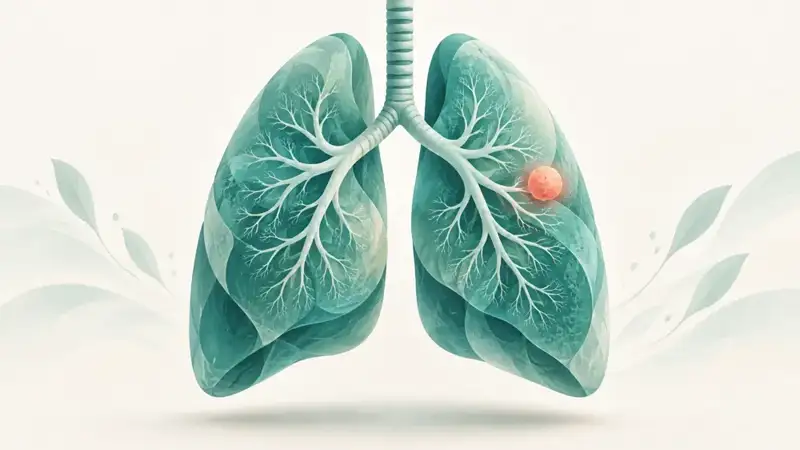
Featured cancer
Draft, not yet medically reviewedLung Cancer
Lung cancer is not one disease.
Lung cancer is divided into non-small-cell and small-cell groups, and molecular markers strongly shape which treatment options are discussed.
Does your result show EGFR, ALK or another biomarker?
Explore by diagnosis
Every diagnosis opens a different set of questions.
Trial counts are registry signals, not confirmation that a site or patient is eligible.
 HER260 registry recordsHave CLDN18.2 and HER2 been tested on the tumour tissue?
Stomach Cancer
Biomarker results can change the discussion.
Explore CD2061 registry recordsWhich exact subtype is written on the pathology report?
Lymphoma
The exact subtype matters.
Explore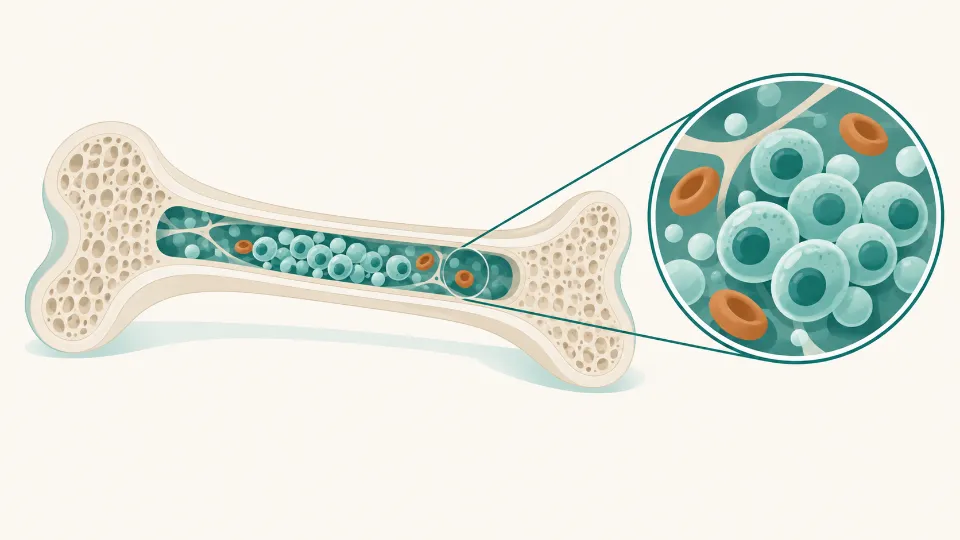 Del(17p) / TP5362 registry recordsIs every previous treatment line fully documented?
Multiple Myeloma
Every treatment line needs to be visible.
Explore
All cancer types
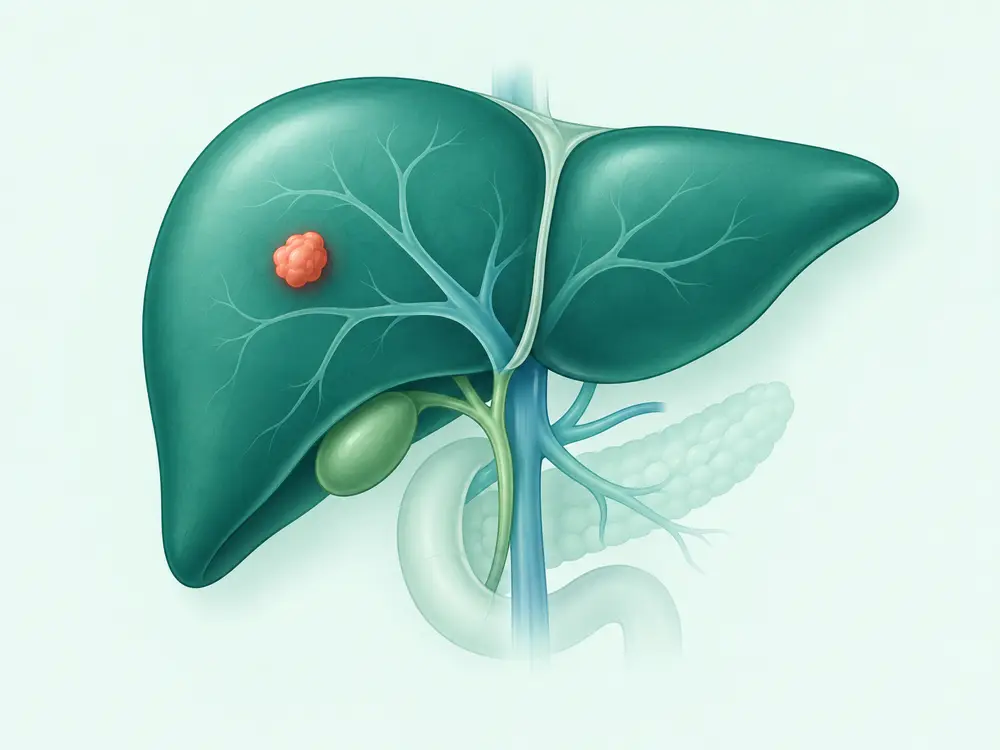 GPC30 registry recordsHave GPC3 and PD-L1 been tested in your case?
Liver Cancer
Liver function shapes the discussion.
Explore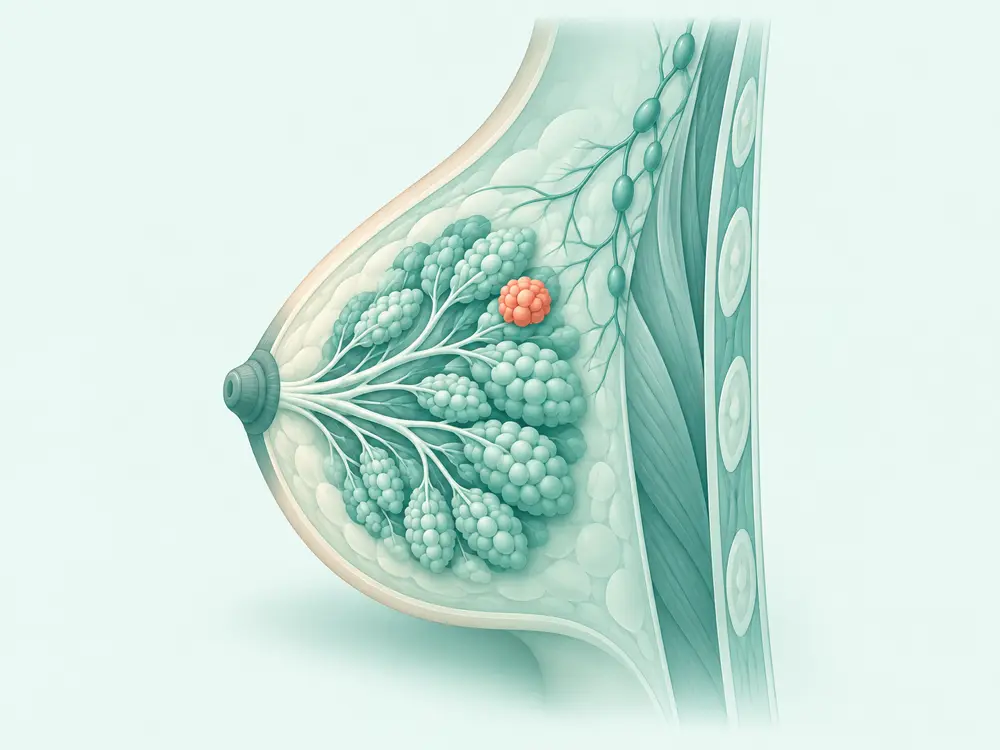 HER20 registry recordsHave HER2 and BRCA1 / BRCA2 been tested in your case?
Breast Cancer
Receptor status shapes systemic options.
Explore KRAS0 registry recordsHave KRAS and BRAF been tested in your case?
Colorectal Cancer
Tumour location and biomarkers both matter.
Explore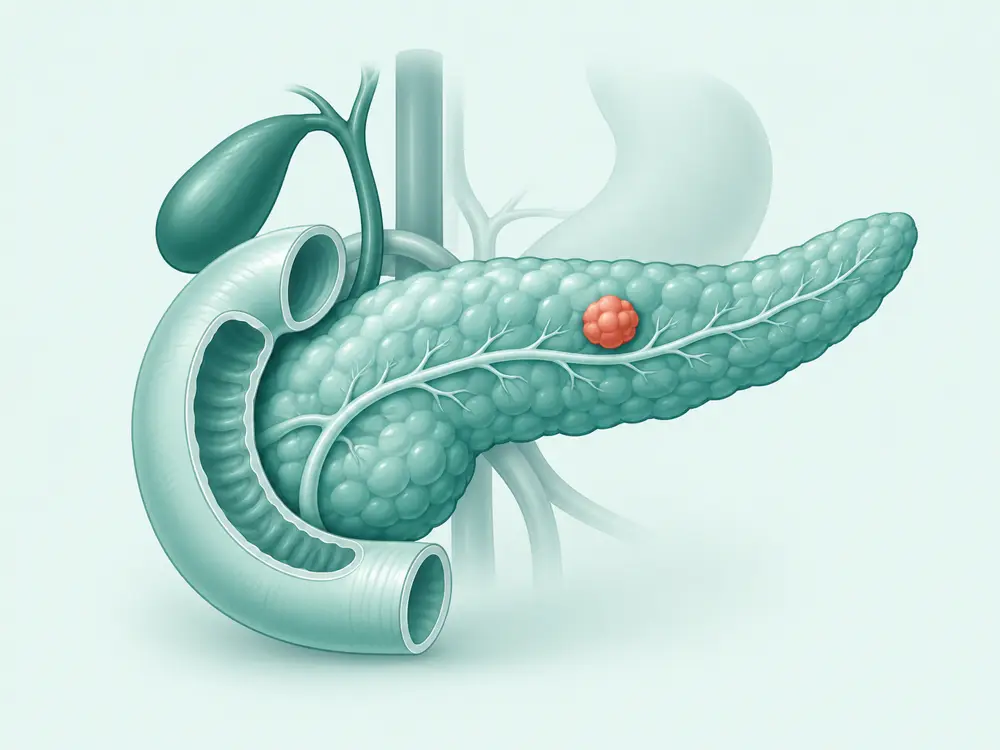 BRCA1 / BRCA20 registry recordsHave BRCA1 / BRCA2 and KRAS been tested in your case?
Pancreatic Cancer
A complete assessment guides the next step.
Explore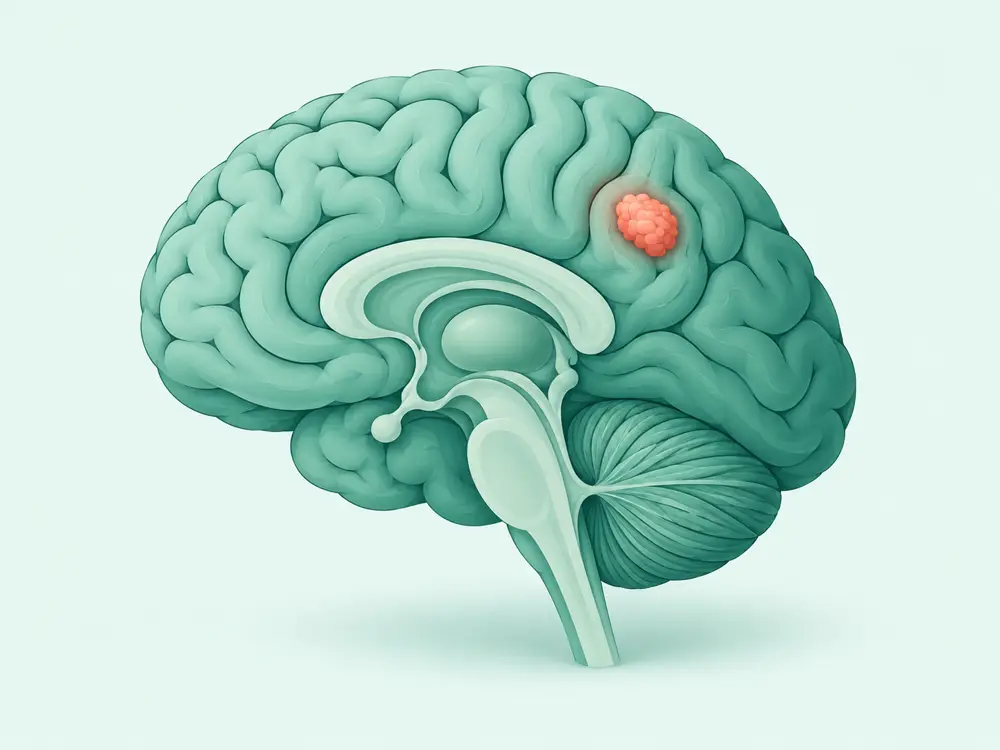 MGMT0 registry recordsWhat determines the next option?
Brain Cancer
Tumour type and molecular profile must be separated.
Explore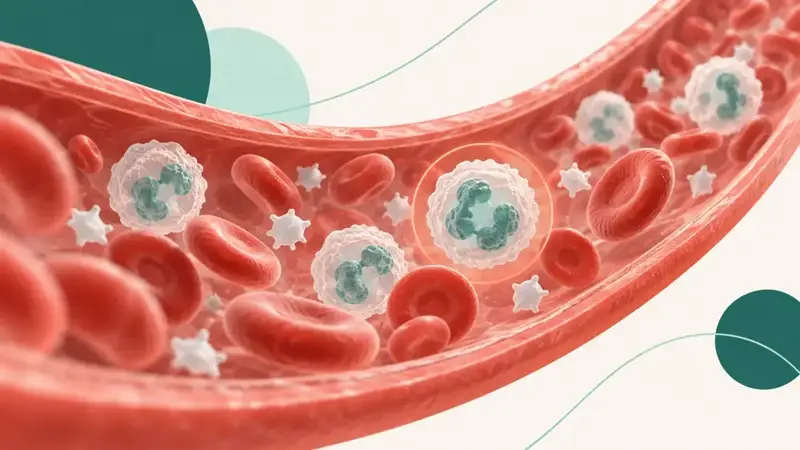 FLT30 registry recordsWhich cell type and genetic changes have been confirmed?
Leukemia
Cell type and genetic changes need confirmation.
Explore
Guides for navigating this information

Understanding clinical trials: terms, phases, and how to check early fit
A basic explanation of clinical trial phases, recruitment status, and why a recruiting registry record does not mean an international patient can automatically join.
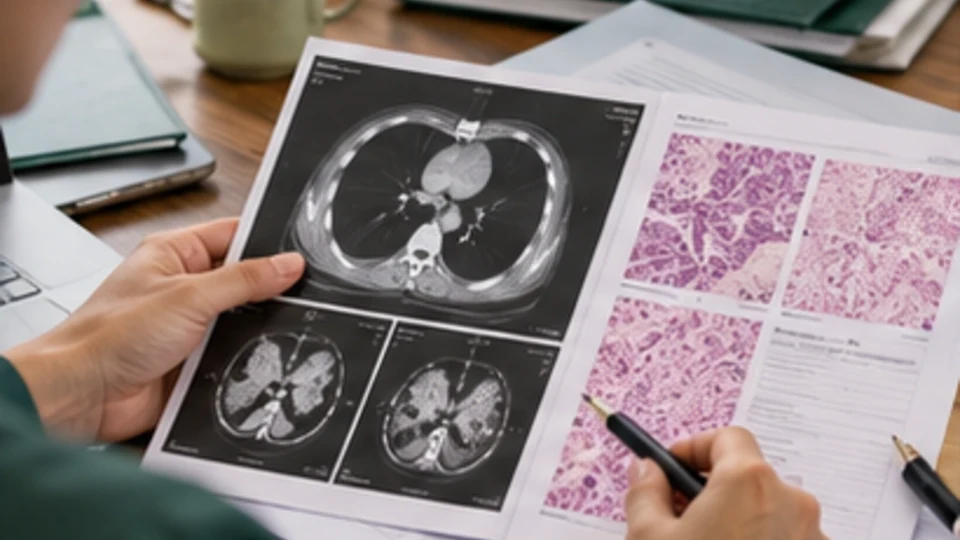
Preparing medical records for a second opinion or clinical trial
A checklist of documents commonly needed, how to name files, and what to check before records are sent.

Second opinion: when it helps and how to request one
An explanation of the purpose of a second opinion, the documents usually needed, and how to discuss the result with the treating team.

Understanding biomarkers without heavy jargon
A plain-language explanation of biomarkers, testing methods, and why a complete report is more useful than a positive or negative result alone.
Turn information into a focused next step.
Search public trial records, or prepare your report for a structured human review. This is what happens after you upload.
Upload reports
Photos or PDFs of pathology, biomarkers, imaging and treatment history.
Case structured
Documents are turned into a structured case summary.
Navigator review
A human navigator checks completeness before anything is shared.
Provider review
With your consent, the case is discussed with providers for assessment and a written quote.
Not a diagnosis and not final medical advice. Must be reviewed by a doctor.