Cancer types
Lymphoma
Lymphoma is a malignancy of the lymphatic system with many subtypes, and accurate pathology classification determines the direction of treatment.

Not a diagnosis and not final medical advice. Must be reviewed by a doctor.
What is most important to know?
Lymphoma is divided into Hodgkin's lymphoma and non-Hodgkin's lymphoma, with many subtypes within them.
Proper classification requires pathology and marker examination, as two lymphomas may appear similar but require different approaches.
Some lymphomas grow slowly and can be monitored, others grow quickly and require immediate therapy.
Lymphoma includes a diverse group of diseases with different behaviors and treatments. Specific event data is not shown without direct quotation.
The exact subtype matters.
Commonly discussed symptoms
- Painless swollen lymph nodes.
- Fever for no apparent reason, especially at night.
- Night sweats and weight loss.
- Prolonged feeling of tiredness.
- Itching of the skin in some cases.
These symptoms are not specific. A doctor still needs to assess the cause.
Risk factors
- Conditions that weaken the immune system.
- Certain infections are associated with lymphoma in some types.
- Family history in a minority of cases.
- Exposure to certain substances in the work environment.
What shapes the options?
Treatment discussions usually follow this path. The more complete each step is, the more focused the discussion with your doctor becomes.
Diagnosis
Confirmed through pathology review.
Subtype
4 subtypes discussed on this page.
Stage
Staging usually uses the Lugano system, which assesses the number of glandular areas involved and the presence or absence of organ involvement.
Biomarkers
Relevant markers: CD20, CD19, CD30.
Treatment history
Each previous line affects the next option.
Progression?
If the disease progresses, reassessment and molecular testing are usually discussed.
Next step
Further evaluation, clinical trials, or a second opinion.
Stage I
Limited to one lymph node area or one organ.
Stage II
Involves two or more areas on one side of the diaphragm.
Stage III
Involves lymph node areas on both sides of the diaphragm.
Stage IV
Involves organs outside the lymphatic system, such as bone marrow or liver.
Relevant biomarkers
Molecular testing shapes categories, not decisions
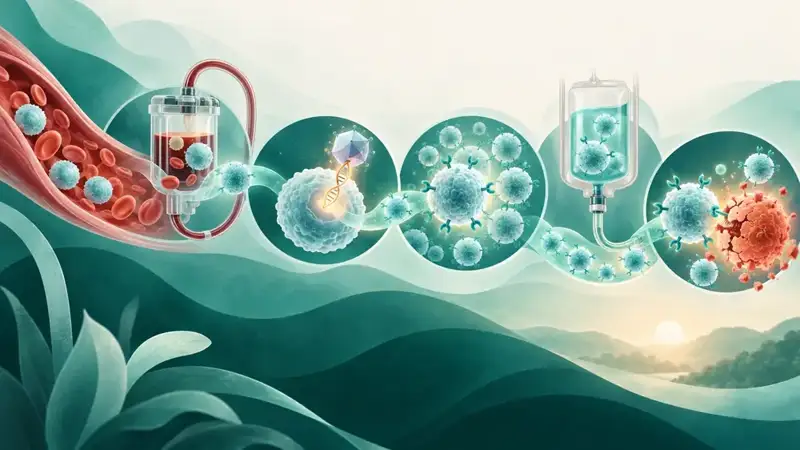
Visual explainer
The CAR-T treatment journey
When CAR-T begins to be discussed for relapsed lymphoma and how the process moves from preparation to monitoring.
View the CAR-T journey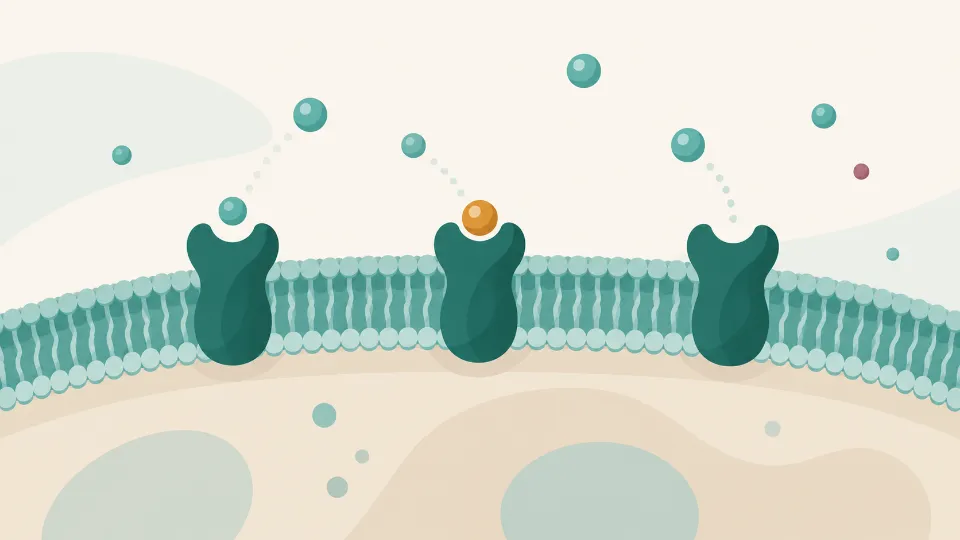
CD20
CD20 is a protein on the surface of B cells that has long been used to identify B cell lymphoma in pathological examinations.
Immunohistochemistry (IHC) · Flow cytometry
View biomarker →CD19
CD19 is a protein on the surface of B cells.
Immunohistochemistry (IHC) · Flow cytometry
View biomarker →CD30
CD30 is a protein on the surface of some lymphoma cells.
Immunohistochemistry (IHC) · Tumour tissue biopsy
View biomarker →
Progression and resistance concepts
- Lymphoma that relapses after an initial response can still be addressed with several strategies, including new antibody therapies, transplantation, and cellular therapy.
- Lymphoma that does not improve during therapy (refractory) usually requires reassessment of pathology to confirm subtype and markers.
- In relapsed B-cell lymphoma, CD19 and CD20 markers are important considerations for cellular therapy.
- Subsequent decisions usually take into account therapy history, organ condition, and availability of a cellular therapy program.
What is usually checked?
The pathology report should state the subtype according to the applicable classification, not just the word lymphoma. Markers such as CD20, CD19, and CD30 are assessed to confirm subtype.
Tumour tissue biopsy
Collection of tumour tissue to confirm the diagnosis and provide material for further testing.
Immunohistochemistry (IHC)
A test that uses antibodies to mark specific proteins in tumour tissue.
Flow cytometry
A test that rapidly measures cell-surface markers across many cells.
PET-CT
Combined imaging that shows metabolic activity and anatomical location.
Bone marrow biopsy and aspiration
Collection of bone marrow to assess plasma cells and blood production.
Echocardiography
A heart ultrasound used to assess pumping function before and during certain therapies.
Blood laboratory tests
Routine blood tests to assess general condition, organ function, and selected markers.
Treatment options commonly discussed
The actual order and combination are always determined by the team directly examining the patient.
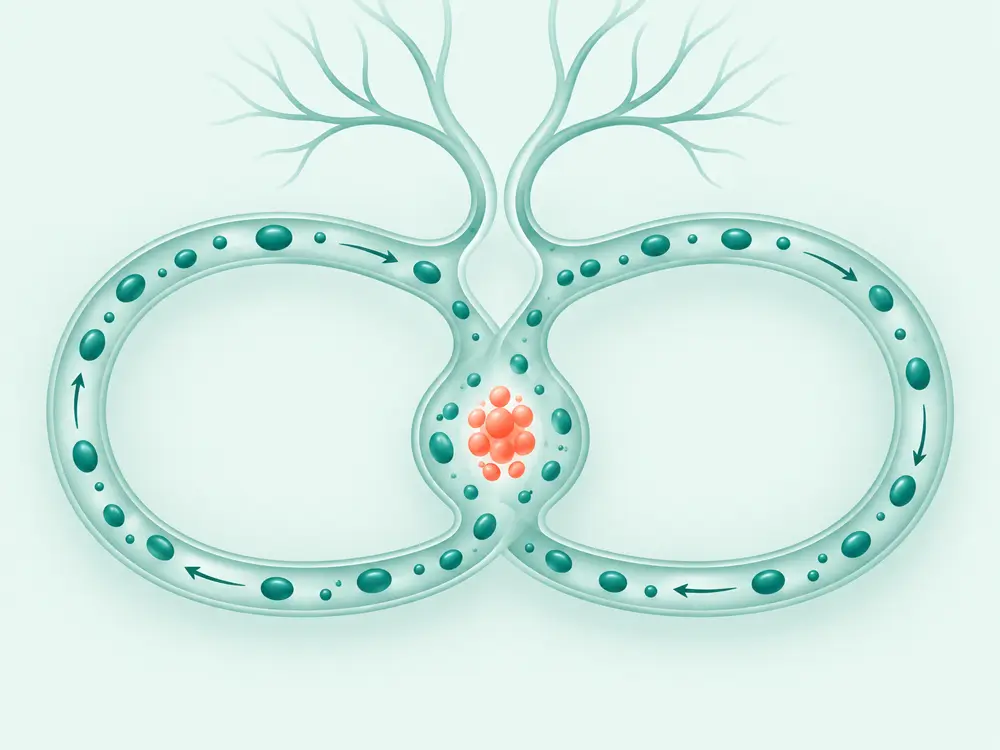
Chemotherapy
Systemic cytotoxic drugs that act on rapidly dividing cells, given in scheduled cycles.
Learn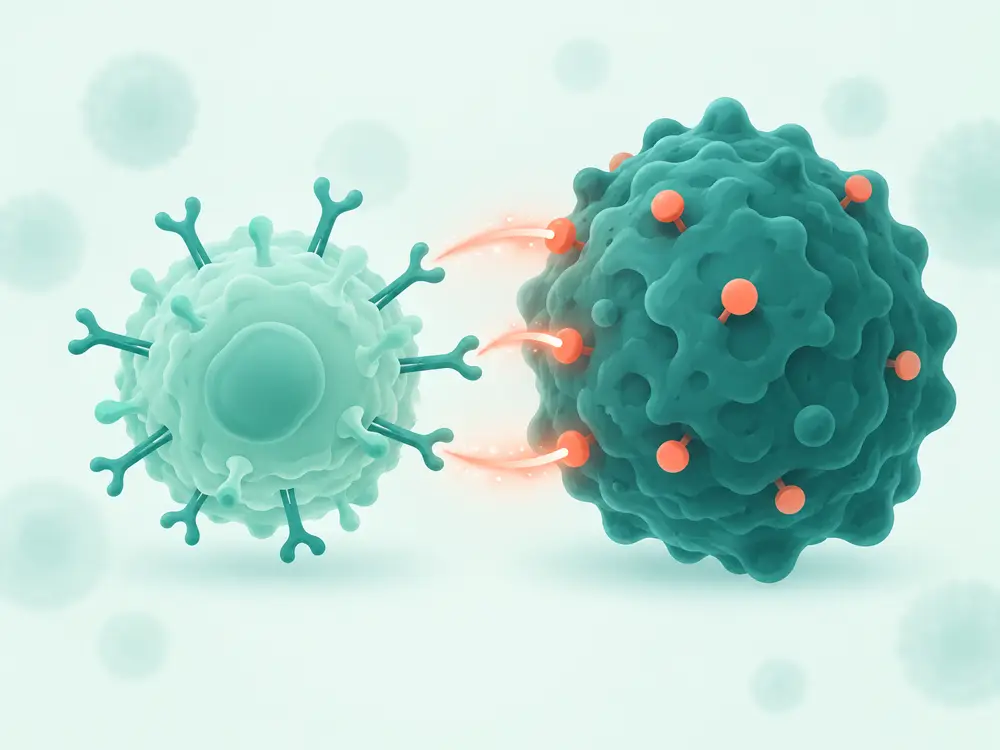
Immunotherapy
Treatment that helps the immune system recognise and attack cancer cells, usually through immune checkpoint inhibitors.
Learn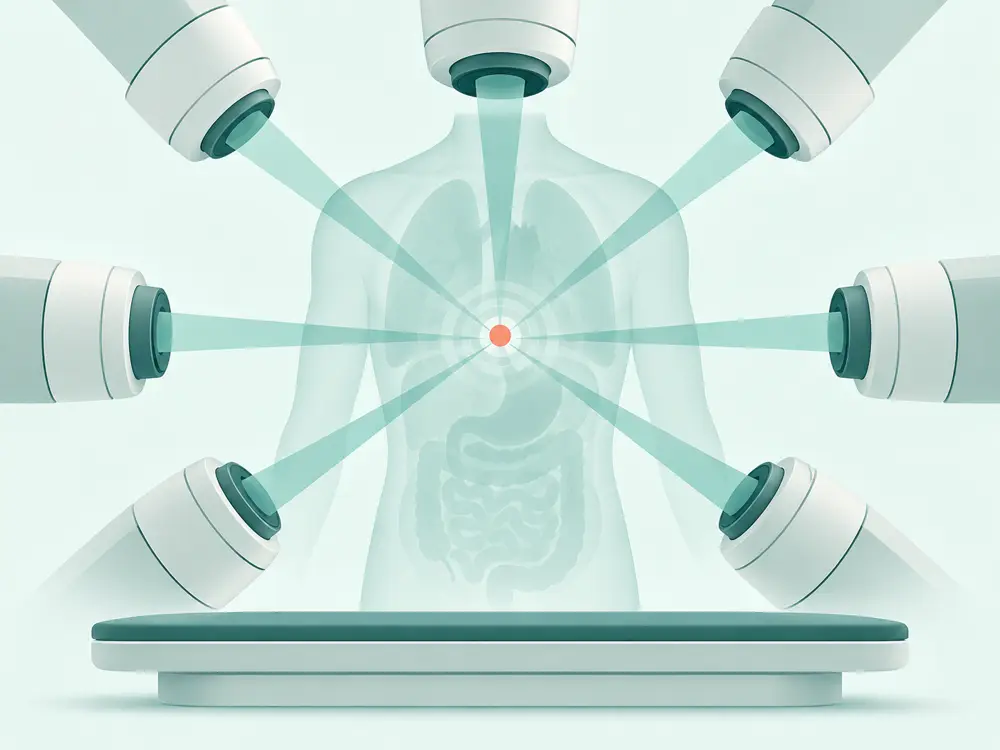
Radiotherapy
Use of directed radiation to kill or control cancer cells in a specific area.
LearnCAR-T (chimeric antigen receptor T-cell therapy)
Cellular therapy that modifies a patient's T cells so they recognise a marker on cancer cells, then returns them to the patient's body.
Learn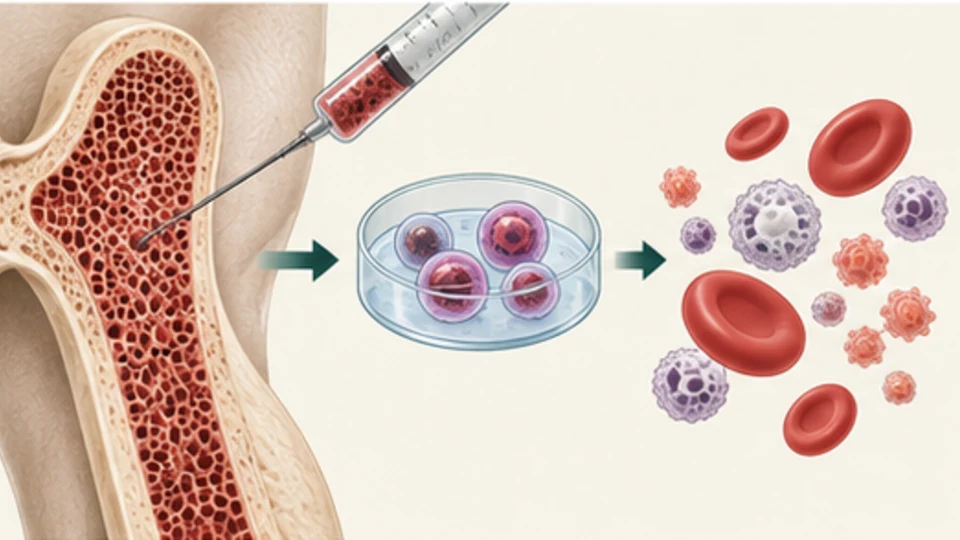
Stem cell transplant
Infusion of haematopoietic stem cells after high-dose therapy or as part of recovery, to restore blood production.
Learn
Supportive and palliative care
Management of symptoms, pain, and daily needs alongside cancer treatment.
LearnWhen are clinical trials discussed?
Trial group and treatment history
Clinical trials are usually discussed after standard pathways are mapped, or when biomarker results point to a specifically studied group. There are currently 61 registry records related to Lymphoma, and 5 mention a specific biomarker.
NCT03460977Phase 1Combination regimen
A Study of Mevrometostat for Treatment of Relapsed/Refractory SCLC, Castration Resistant Prostate Cancer, and Follicular Lymphoma
United States, Bulgaria, China +584 registry sites
Why this appears: Appears because it is recorded for Lung Cancer.
What to verify: Acceptance of patients from outside the local country has not been verified.
- Registry
- Recruiting in registry
- Site
- Not verified
- International access
- Unknown
- Patient match
- Not assessed
Last checked 16 Oktober 2026Source ClinicalTrials.govNCT03460977Not verified
NCT04301076Phase 1Diagnostics and monitoring
Testing the Addition of an Anti-cancer Drug, Lenalidomide, to the Usual Combination Chemotherapy Treatment ("EPOCH") for Adult T-Cell Leukemia-Lymphoma (ATLL)
United States19 registry sites
Why this appears: Appears because it is recorded for Lymphoma, the treatment category is Chemotherapy.
What to verify: Acceptance of patients from outside the local country has not been verified.
- Registry
- Recruiting in registry
- Site
- Not verified
- International access
- Unknown
- Patient match
- Not assessed
Last checked 16 Oktober 2026Source ClinicalTrials.govNCT04301076Not verified
NCT04728893Phase 2Combination regimen
Efficacy and Safety of Nemtabrutinib (MK-1026) in Participants With Hematologic Malignancies (MK-1026-003)
United States, Argentina, Australia +19121 registry sites
Why this appears: Appears because it is recorded for Lymphoma.
What to verify: Acceptance of patients from outside the local country has not been verified.
- Registry
- Recruiting in registry
- Site
- Not verified
- International access
- Unknown
- Patient match
- Not assessed
Last checked 16 Oktober 2026Source ClinicalTrials.govNCT04728893Not verified
NCT05139017Phase 2 / Phase 3Immunotherapy
A Study of Zilovertamab Vedotin (MK-2140) in Combination With Standard of Care in Participants With Relapsed or Refractory Diffuse Large B-Cell Lymphoma (rrDLBCL) (MK-2140-003)
Lymphoma | Immunotherapy, Chemotherapy
United States, Argentina, Australia +23135 registry sites
Why this appears: Appears because it is recorded for Lymphoma, the treatment category is Immunotherapy.
What to verify: Acceptance of patients from outside the local country has not been verified.
- Registry
- Recruiting in registry
- Site
- Not verified
- International access
- Unknown
- Patient match
- Not assessed
Last checked 16 Oktober 2026Source ClinicalTrials.govNCT05139017Not verified
What should be prepared for a second opinion?
Records usually requested
- Pathology report with subtype classification.
- Immunohistochemistry and flow cytometry results.
- Latest PET-CT.
- Results of a bone marrow biopsy if it has been performed.
- Records of previous therapy, number of cycles, and response.
Questions for the oncologist
- What is the correct subtype of my lymphoma according to the pathology report?
- Which markers have been examined, including CD19, CD20, and CD30?
- Is my lymphoma a slow-growing or fast-growing type?
- Do I meet the criteria for cellular therapy or transplantation?
- Are there clinical trials available for my subtype?
Which exact subtype is written on the pathology report?
Not sure about the next step for Lymphoma?
Build a case summary so your documents and questions are organised before choosing the next step. This is what happens after you upload.
Upload reports
Photos or PDFs of pathology, biomarkers, imaging and treatment history.
Case structured
Documents are turned into a structured case summary.
Navigator review
A human navigator checks completeness before anything is shared.
Provider review
With your consent, the case is discussed with providers for assessment and a written quote.
Not sure about the next step for Lymphoma?
Build a case summary so your documents and questions are organised before choosing the next step.
After submission, a human navigator reviews your request and contacts you through your chosen channel. The WhatsApp message already includes this page context, so you do not need to explain from the beginning.
Clinical data is not requested in the form and is not sent to analytics. Do not send medical reports through WhatsApp or email; use the secure upload page. We do not promise eligibility or any treatment outcome.
Deeper references
A reference section for readers who want details on subtypes, drugs, or every study record.
Diffuse large B-cell lymphoma (DLBCL)
Draft, not yet medically reviewedThe most common B-cell non-Hodgkin lymphoma, usually discussed with antibody therapy combined with chemotherapy.
DLBCL is differentiated from other B-cell lymphomas by pathology and markers such as CD20. Subgrouping based on MYC and BCL2 markers may influence the discussion of therapy intensity.
Follicular lymphoma
Draft, not yet medically reviewedA slow-growing B-cell lymphoma often managed over the long term, with treatment choices depending on symptoms and disease burden.
Follicular lymphoma can resolve without immediate therapy in some patients. The CD20 marker is the basis of antibody therapy, and transformation to an aggressive form needs to be alerted if there is a change in symptoms.
Hodgkin lymphoma
Draft, not yet medically reviewedA lymphoma group with characteristic cell patterns and high cure rates in many stages when treated according to standards.
Reed-Sternberg cells commonly express CD30 and often CD15. The CD30 marker opens up a category of specific antibody therapy in some situations.
Relevant markers
Stage note
PET-CT is used to assess stage and response midway through therapy in some protocols.
Peripheral T-cell lymphoma
Draft, not yet medically reviewedA lymphoma group arising from T cells, with many subtypes and approaches that differ from B-cell lymphoma.
Some T cell lymphomas express CD30. A detailed pathological examination is key because classification determines the direction of therapeutic discussions.
Relevant markers
Stage note
The assessment uses the Lugano stadium; Skin and bone marrow involvement needs to be assessed in certain types.
Frequently asked questions
Short answers to the most common questions; full explanations are in the sections above.
What is the difference between Hodgkin and non-Hodgkin lymphoma?
Lymphoma is divided into Hodgkin and non-Hodgkin lymphoma, with many subtypes under each. Accurate classification needs pathology and markers because two lymphomas can look similar but require different approaches.
Why does the pathology subtype guide therapy?
The pathology report should name the subtype according to the relevant classification, not only say lymphoma. Markers such as CD20, CD19, and CD30 help confirm subtype. Some lymphomas grow slowly and may be monitored; others grow quickly and need prompt treatment.
What tests are usually done for lymphoma?
The page discusses tissue biopsy, immunohistochemistry, flow cytometry, PET-CT, bone marrow biopsy when performed, blood tests, and echocardiography. Staging usually uses the Lugano system, which assesses nodal areas and organ involvement.
When is cellular therapy such as CAR-T discussed?
Relapsed lymphoma can still be discussed through several strategies, including newer antibodies, transplant, and cellular therapy. In relapsed B-cell lymphoma, CD19 and CD20 are important for cellular therapy discussion; decisions depend on prior therapy, organ condition, and program availability.
Which documents help avoid review delays?
Prepare pathology with subtype classification, immunohistochemistry and flow cytometry results, recent PET-CT, bone marrow biopsy if done, and prior-treatment records including cycle count and response. The same list appears in the second-opinion section of the page.
You just read about Lymphoma. Next:
Relapsed DLBCL: when CAR-T starts being discussed
9 min read
CAR-T (chimeric antigen receptor T-cell therapy)
Cellular therapy that modifies a patient's T cells so they recognise a marker on cancer cells, then returns them to the patient's body.
CD19
CD19 is a protein on the surface of B cells.
Understanding clinical trials: terms, phases, and how to check early fit
7 min read
Clinical trials related to Lymphoma
61 public registry records filtered for this group.
Upload Medical Reports
Build a case summary so your documents and questions are organised.
Next steps
These suggestions come from links between entries in TanyaKanker's database, not from a medical judgement. Each suggestion includes why it appears.
Next to learn
- CD19
Biomarker
Reason: Related through a biomarker
- CD20
Biomarker
Reason: Related through a biomarker
- CD19 positive
Molecular alteration
Reason: Related to this page
- CD22 positive
Molecular alteration
Reason: Related to this page
- Registry status, active site, and international patient acceptance: three different things
Guide
Reason: Related to this page
- Cancer insurance and financing: reimbursement, cashless, and questions for the payer
Guide
Reason: Related to this page
To check
- Tissue Collection for Studies of Lymph Cancer
Clinical trial
Reason: Has a clinical trial
- Inotuzumab Ozogamicin Post-Transplant For Acute Lymphocytic Leukemia
Clinical trial
Reason: Has a clinical trial
- Venetoclax, Ibrutinib, Prednisone, Obinutuzumab, and Revlimid (ViPOR) in Relapsed/Refractory B-cell Lymphoma
Clinical trial
Reason: Has a clinical trial
- A Study of Mevrometostat for Treatment of Relapsed/Refractory SCLC, Castration Resistant Prostate Cancer, and Follicular Lymphoma
Clinical trial
Reason: Has a clinical trial
- Venetoclax, Lenalidomide and Rituximab in Patients With Previously Untreated Mantle Cell Lymphoma
Clinical trial
Reason: Has a clinical trial
- Inotuzumab Ozogamicin and Blinatumomab With or Without Ponatinib in Treating Patients With Newly Diagnosed, Recurrent, or Refractory CD22-Positive B-Lineage Acute Lymphoblastic Leukemia
Clinical trial
Reason: Has a clinical trial
What you can do
- Upload medical reports
Build a case summary in twelve steps
Reason: Often the most useful next step after reading this page
- Request a second opinion
Review of the treatment plan
Reason: Relevant when a treatment plan is being considered
- Consult a navigator
A request is recorded with this page context
Reason: For asking the next step directly
Recently updated
- Leukemia
Cancer page
Date: Data revision 2026-09-10
- Brain Cancer
Cancer page
Date: Data revision 2026-09-10
- Pancreatic Cancer
Cancer page
Date: Data revision 2026-09-10
- Testing Osimertinib as a Treatment for Lung Cancers With an EGFR Exon 20 Change
NCT03191149 - Phase 2
Date: Registry update in the last 30 days (2026-10-15)
Want to follow changes on this topic? Save the page or follow the topic so it is easy to find again. View saved items.

Prepare for your next consultation
Use the free six-question tool to prepare questions for your doctor.