Cancer types
Brain Cancer
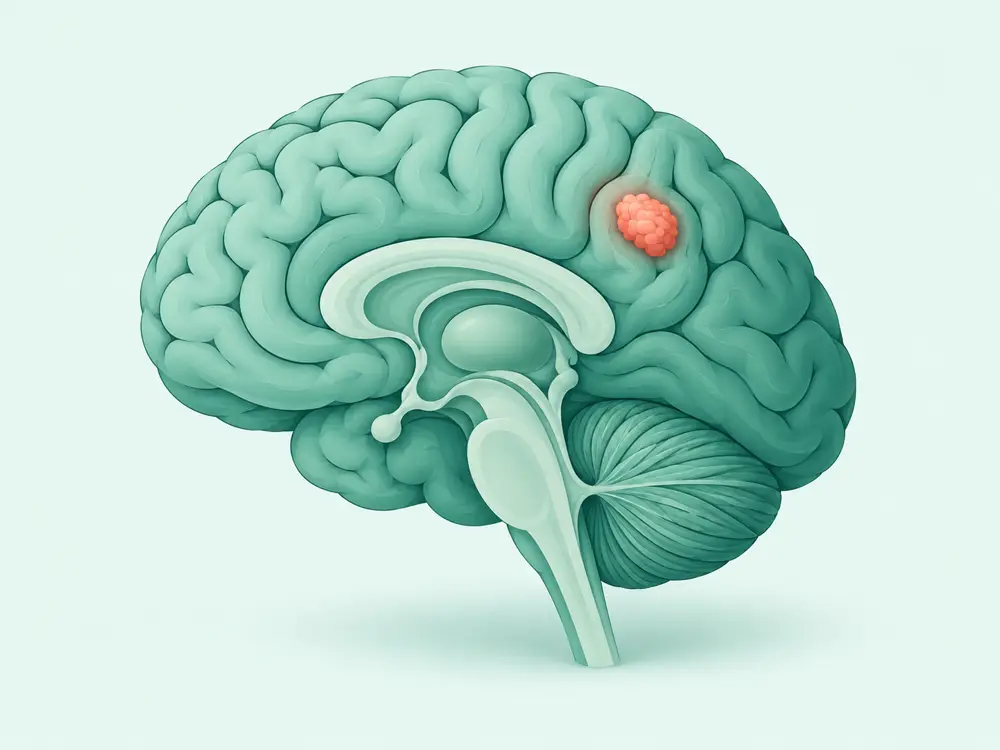
Brain tumours cover many types with different behaviour, and molecular markers such as MGMT status affect how treatment is discussed.
Not a diagnosis and not final medical advice. Must be reviewed by a doctor.
What is most important to know?
Brain tumors can originate from the brain tissue itself (primary) or be the spread of other cancers (metastatic). Both are discussed differently.
Gliomas are the most frequently discussed group of primary tumors, and they include glioblastomas as well as astrocytomas and oligodendrogliomas.
The location of the tumor influences the symptoms and possible procedures, as certain areas cannot be operated on without risking important functions.
Brain tumors range from benign to very aggressive. Specific incidence figures are not shown without direct citation of the applicable registry.
Tumour type and molecular profile must be separated.
Commonly discussed symptoms
- Worsening headaches, especially in the morning.
- Seizures.
- Weakness on one side of the body or speech problems.
- Changes in vision, balance, or personality.
- Nausea or vomiting for no apparent reason.
These symptoms are not specific. A doctor still needs to assess the cause.
Risk factors
- Older age in certain gliomas.
- Previous history of head radiation.
- Certain genetic conditions in a small percentage of cases.
- Family history in a minority of cases.
What shapes the options?
Treatment discussions usually follow this path. The more complete each step is, the more focused the discussion with your doctor becomes.
Diagnosis
Confirmed through pathology review.
Subtype
3 subtypes discussed on this page.
Stage
Primary brain tumors are generally graded by histological grade (I to IV) and molecular markers, not the TNM system like other solid cancers.
Biomarkers
Relevant markers: MGMT.
Treatment history
Each previous line affects the next option.
Progression?
If the disease progresses, reassessment and molecular testing are usually discussed.
Next step
Further evaluation, clinical trials, or a second opinion.
Grade I and II
A slow-growing tumour with features that are generally less aggressive.
Grade III
A more aggressive tumour with clear cellular changes.
Grade IV
The most aggressive tumour group, including glioblastoma, marked by rapid growth and broad infiltration.
Relevant biomarkers
Molecular testing shapes categories, not decisions

MGMT
MGMT is a gene that helps cells repair DNA damage.
Next-generation sequencing (NGS) · Tumour tissue biopsy
View biomarker →
Progression and resistance concepts
- Progression in gliomas is usually assessed through periodic MRIs and changes in symptoms, not through routine blood markers.
- Treatment of brain tumors faces special obstacles, as many drugs find it difficult to reach brain tissue in adequate levels.
- After initial therapy, subsequent discussions often consider limited repeat radiotherapy, another chemotherapy, or clinical trials.
- In brain tumors that have spread to the brain from other cancers, the focus of discussion changes to controlling lesions in the brain.
What is usually checked?
Current pathology reports combine histology with molecular markers, including IDH status, 1p/19q codelet, and MGMT methylation. This combination determines the diagnosis used.
MRI
Magnetic-field imaging that is especially useful for soft tissue, brain, and spine assessment.
CT scan
Cross-sectional imaging to assess tumour size, location, and nearby organs.
Tumour tissue biopsy
Collection of tumour tissue to confirm the diagnosis and provide material for further testing.
Immunohistochemistry (IHC)
A test that uses antibodies to mark specific proteins in tumour tissue.
Next-generation sequencing (NGS)
A test that reads many genes from one tumour sample to find actionable changes.
PET-CT
Combined imaging that shows metabolic activity and anatomical location.
Treatment options commonly discussed
The actual order and combination are always determined by the team directly examining the patient.
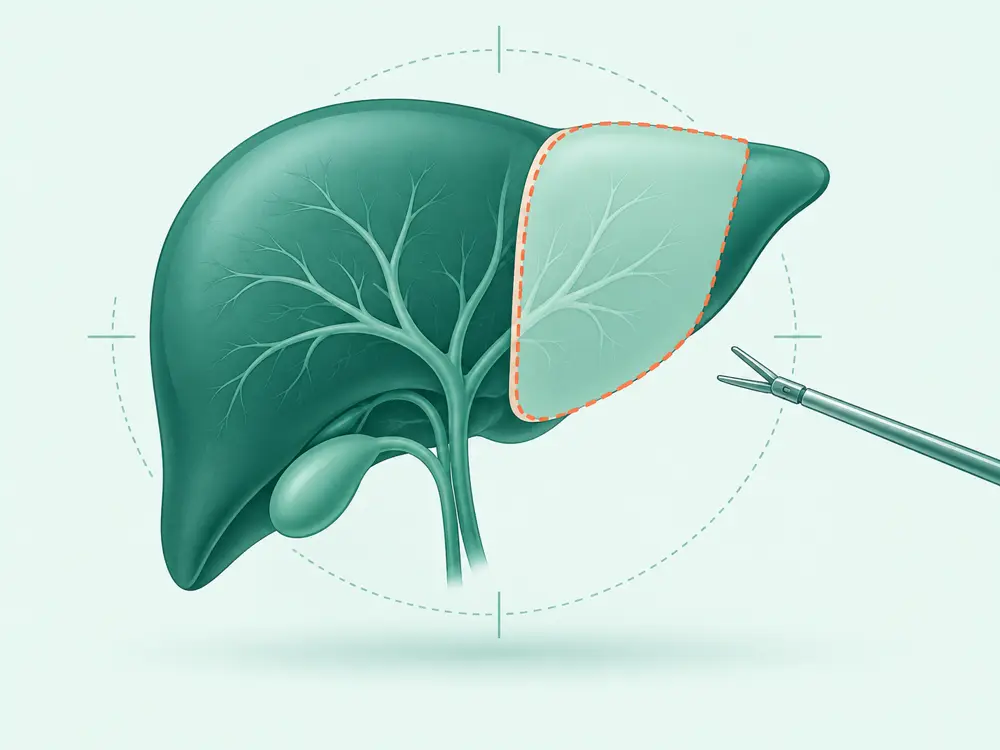
Surgery (oncologic surgery)
Removal of a tumour through surgery, often part of a plan intended to cure early-stage solid cancers.
Learn
Radiotherapy
Use of directed radiation to kill or control cancer cells in a specific area.
Learn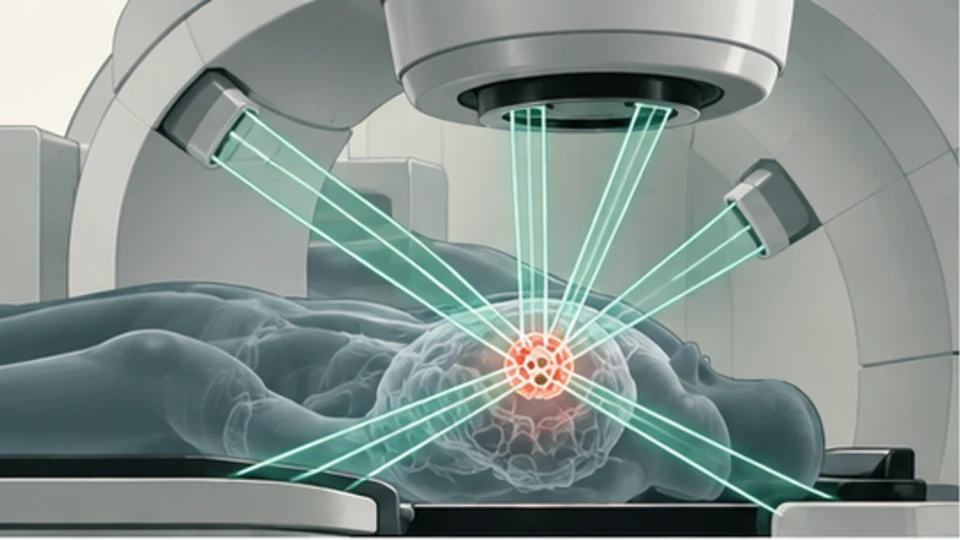
Precision radiotherapy (IMRT and VMAT)
Intensity-modulated radiotherapy that shapes the dose to the tumour contour so nearby healthy tissue is better protected.
Learn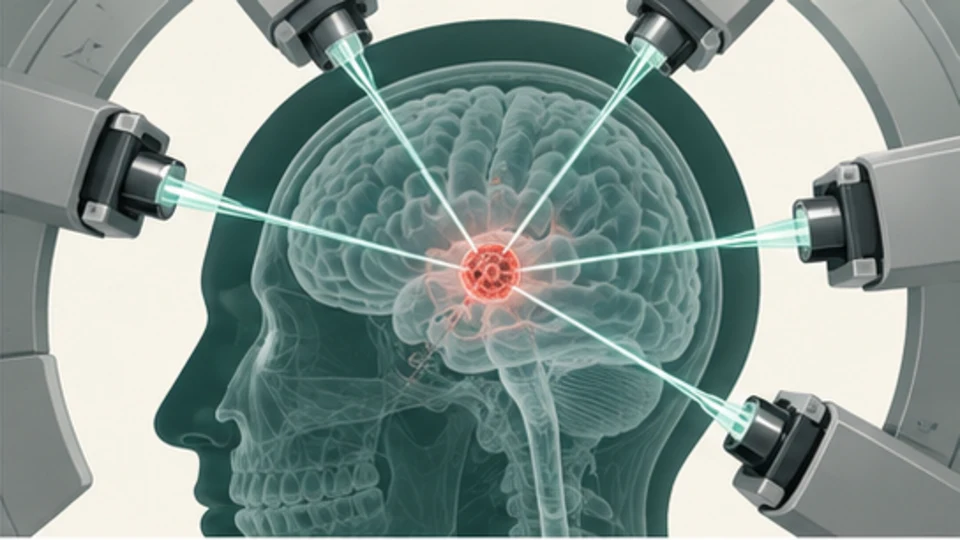
SRS (intracranial stereotactic radiotherapy)
High-dose, high-precision radiotherapy for lesions in the brain, usually in one or a few sessions.
Learn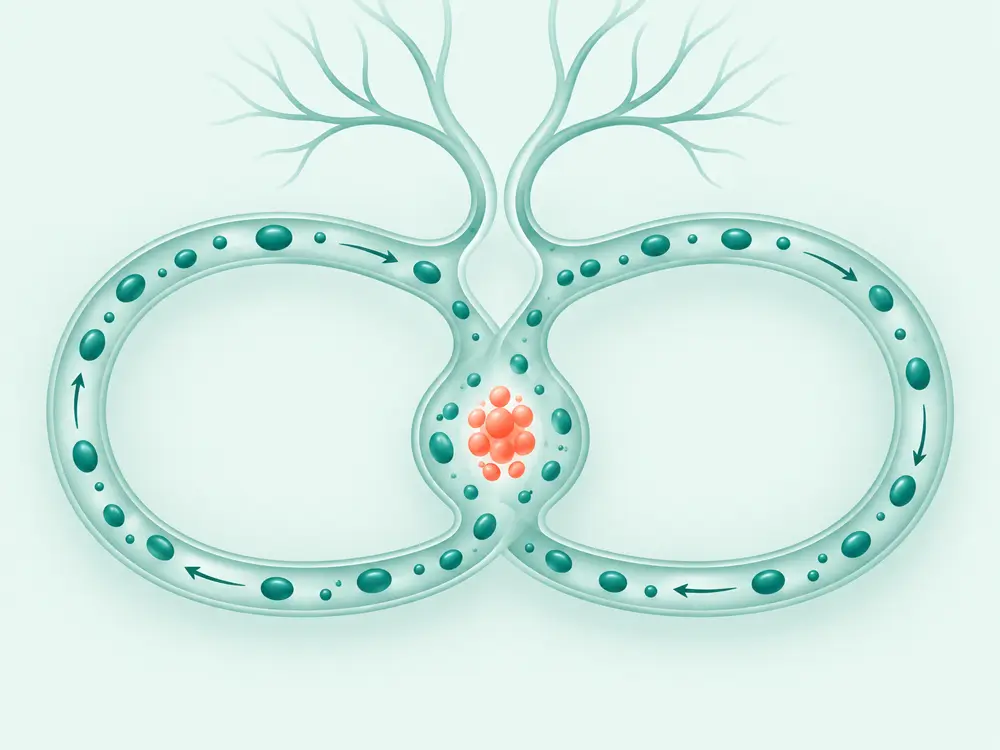
Chemotherapy
Systemic cytotoxic drugs that act on rapidly dividing cells, given in scheduled cycles.
Learn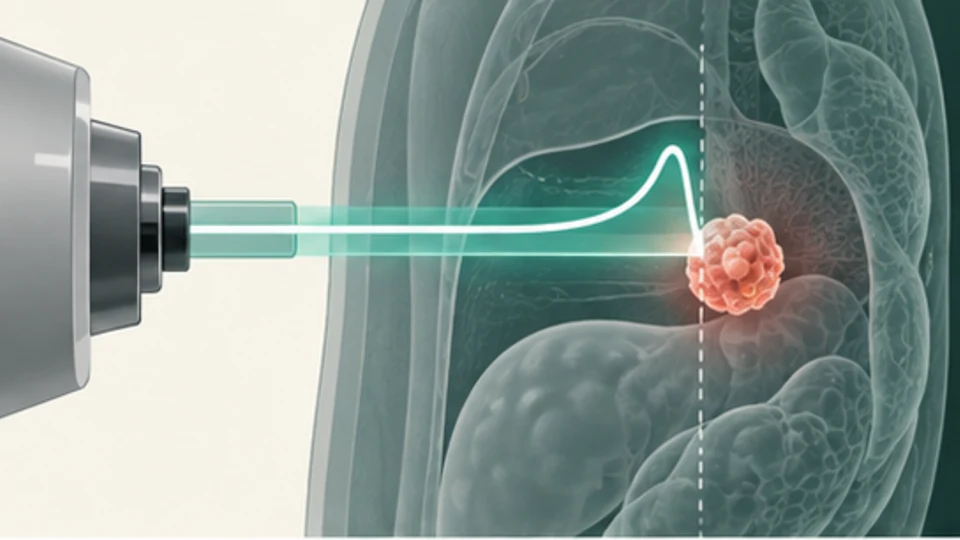
Proton therapy
Radiotherapy using proton particles that stop their energy at the target depth, so healthy tissue beyond the target receives a very low dose.
Learn
Supportive and palliative care
Management of symptoms, pain, and daily needs alongside cancer treatment.
LearnWhen are clinical trials discussed?
Trial group and treatment history
Clinical trials are usually discussed after standard pathways are mapped, or when biomarker results point to a specifically studied group. There are currently 0 registry records related to Brain cancer, and 0 mention a specific biomarker.
NO DATA
No studies were filtered for this cancer group in the latest registry data.
What should be prepared for a second opinion?
Records usually requested
- Recent brain MRI with contrast and report.
- Complete pathology report including molecular markers.
- Note the operation when it has been carried out.
- Previous therapy records included radiotherapy.
- Note the anti-seizure medications and corticosteroids currently being used.
Questions for the oncologist
- What is the complete pathological diagnosis and molecular markers found?
- Is the tumor operable and how complete is the removal?
- How does MGMT status affect my therapy discussions?
- What is the monitoring plan with MRI and how often is it performed?
- Is there a clinical test that suits my tumor type and markers?
What determines the next option?
Not sure about the next step for Brain cancer?
Build a case summary so your documents and questions are organised before choosing the next step. This is what happens after you upload.
Upload reports
Photos or PDFs of pathology, biomarkers, imaging and treatment history.
Case structured
Documents are turned into a structured case summary.
Navigator review
A human navigator checks completeness before anything is shared.
Provider review
With your consent, the case is discussed with providers for assessment and a written quote.
Not sure about the next step for Brain cancer?
Build a case summary so your documents and questions are organised before choosing the next step.
After submission, a human navigator reviews your request and contacts you through your chosen channel. The WhatsApp message already includes this page context, so you do not need to explain from the beginning.
Clinical data is not requested in the form and is not sent to analytics. Do not send medical reports through WhatsApp or email; use the secure upload page. We do not promise eligibility or any treatment outcome.
Deeper references
A reference section for readers who want details on subtypes, drugs, or every study record.
Glioblastoma
Draft, not yet medically reviewedThe highest-grade glioma, with rapid growth and broad infiltration into brain tissue.
Because tumor cells spread into surrounding brain tissue, complete removal is difficult to achieve. Initial therapy combines surgery, radiotherapy, and chemotherapy in eligible patients.
Relevant markers
Stage note
This tumor is always considered grade IV. What influences the discussion of therapy is the location, size, MGMT status, and general condition of the patient.
IDH-mutant astrocytoma
Draft, not yet medically reviewedA glioma with IDH mutation that generally behaves more slowly than glioblastoma.
The presence of an IDH mutation is currently an important marker and influences the way of diagnosis and discussion of therapy. The grade of the tumor is still assessed from the pathological picture.
Relevant markers
Stage note
The grade of the tumor is determined by pathology, and molecular markers become an integral part of the diagnosis.
Oligodendroglioma
Draft, not yet medically reviewedA glioma with 1p/19q codeletion that is generally more responsive to therapy than glioblastoma.
The combination of IDH mutation and 1p/19q codelet is characteristic. This group is often discussed with a therapeutic approach that combines surgery, radiotherapy, and chemotherapy.
Relevant markers
Stage note
The degree is determined by pathology, with molecular markers as part of the diagnosis.
You just read about Brain cancer. Next:
MGMT
MGMT is a gene that helps cells repair DNA damage.
Understanding clinical trials: terms, phases, and how to check early fit
7 min read
Preparing medical records for a second opinion or clinical trial
6 min read
Clinical trials related to Brain cancer
0 public registry records filtered for this group.
Upload Medical Reports
Build a case summary so your documents and questions are organised.
Next steps
These suggestions come from links between entries in TanyaKanker's database, not from a medical judgement. Each suggestion includes why it appears.
Next to learn
- MGMT
Biomarker
Reason: Related through a biomarker
- MGMT methylated
Molecular alteration
Reason: Related to this page
- Cancer treatment costs and financing: how to frame the questions
Guide
Reason: Related to this page
- Understanding clinical trials: terms, phases, and how to check early fit
Guide
Reason: Related to this page
- Preparing medical records for a second opinion or clinical trial
Guide
Reason: Related to this page
- Questions to bring to the oncology appointment
Guide
Reason: Related to this page
To check
- Tumour tissue biopsy
Diagnostic test
Reason: Memerlukan pemeriksaan
- CT scan
Diagnostic test
Reason: Memerlukan pemeriksaan
- Immunohistochemistry (IHC)
Diagnostic test
Reason: Memerlukan pemeriksaan
- MRI
Diagnostic test
Reason: Memerlukan pemeriksaan
- Next-generation sequencing (NGS)
Diagnostic test
Reason: Memerlukan pemeriksaan
- PET-CT
Diagnostic test
Reason: Memerlukan pemeriksaan
What you can do
- Upload medical reports
Build a case summary in twelve steps
Reason: Often the most useful next step after reading this page
- Request a second opinion
Review of the treatment plan
Reason: Relevant when a treatment plan is being considered
- Consult a navigator
A request is recorded with this page context
Reason: For asking the next step directly
Recently updated
- Leukemia
Cancer page
Date: Data revision 2026-09-10
- Pancreatic Cancer
Cancer page
Date: Data revision 2026-09-10
- Testing Osimertinib as a Treatment for Lung Cancers With an EGFR Exon 20 Change
NCT03191149 - Phase 2
Date: Registry update in the last 30 days (2026-10-15)
- A Study of Mevrometostat for Treatment of Relapsed/Refractory SCLC, Castration Resistant Prostate Cancer, and Follicular Lymphoma
NCT03460977 - Phase 1
Date: Registry update in the last 30 days (2026-10-15)
Want to follow changes on this topic? Save the page or follow the topic so it is easy to find again. View saved items.

Prepare for your next consultation
Use the free six-question tool to prepare questions for your doctor.