Cancer types
Pancreatic Cancer
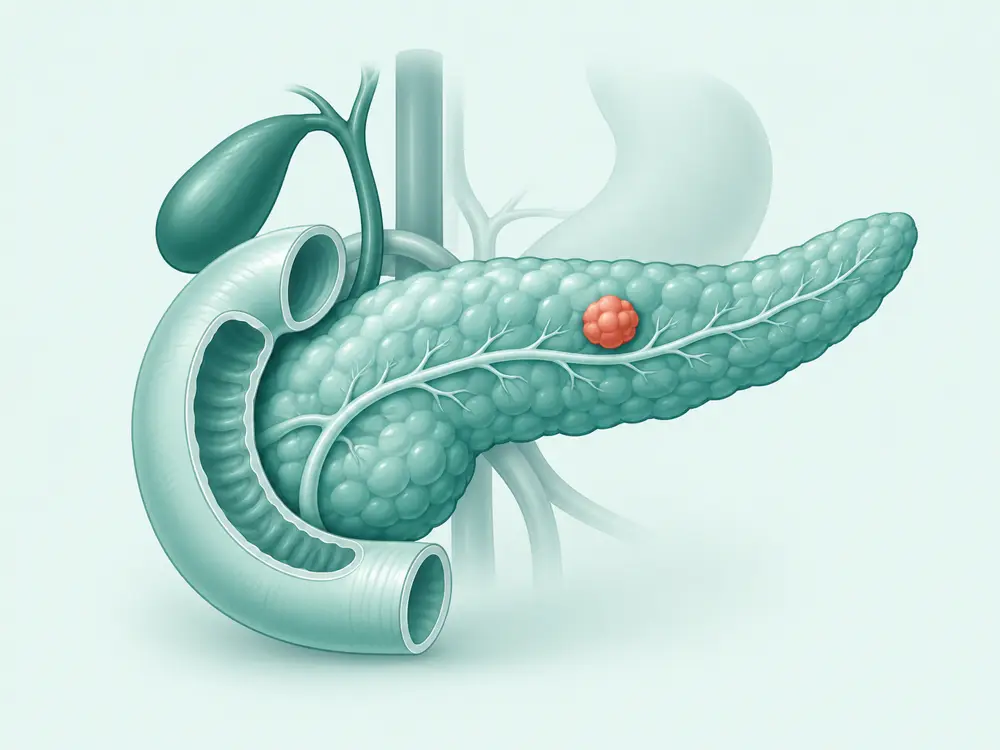
Pancreatic cancer often causes symptoms only after it has spread, so a rapid and complete assessment helps determine which treatment choices can be discussed.
Not a diagnosis and not final medical advice. Must be reviewed by a doctor.
What is most important to know?
The most common form is pancreatic ductal adenocarcinoma. Other forms originate from hormone-producing cells and have different behaviors.
Because the pancreas is adjacent to large blood vessels, assessing vascular involvement is an important part of determining whether surgery is possible.
In inoperable disease, systemic therapy is the main topic of discussion, with the possibility of examining markers to determine a particular therapeutic category.
Pancreatic cancer is one of the most challenging cancers because it is often detected at an advanced stage. Specific figures are not shown without direct quotation.
A complete assessment guides the next step.
Commonly discussed symptoms
- Abdominal pain that radiates to the back.
- Skin and eyes are yellow.
- Fast weight loss.
- Indigestion and oily stools.
- New onset or worsening diabetes.
These symptoms are not specific. A doctor still needs to assess the cause.
Risk factors
- Smoking history.
- Family history and certain genetic conditions such as BRCA changes.
- Chronic pancreatitis.
- Older age and long-term diabetes.
What shapes the options?
Treatment discussions usually follow this path. The more complete each step is, the more focused the discussion with your doctor becomes.
Diagnosis
Confirmed through pathology review.
Subtype
2 subtypes discussed on this page.
Stage
Staging uses the TNM system, but in practice the most decisive division is operable, borderline operable, and inoperable.
Biomarkers
Relevant markers: BRCA1 / BRCA2, KRAS, HER2, NTRK, MSI / MMR.
Treatment history
Each previous line affects the next option.
Progression?
If the disease progresses, reassessment and molecular testing are usually discussed.
Next step
Further evaluation, clinical trials, or a second opinion.
Operable
The tumour has not involved major blood vessels and is expected to be fully removable.
Borderline operable
The tumour touches blood vessels, so the possibility of surgery needs more careful assessment.
Inoperable
The tumour widely involves blood vessels or has already spread.
Advanced disease
There is spread to the liver, lung, or abdominal lining.
Relevant biomarkers
Molecular testing shapes categories, not decisions
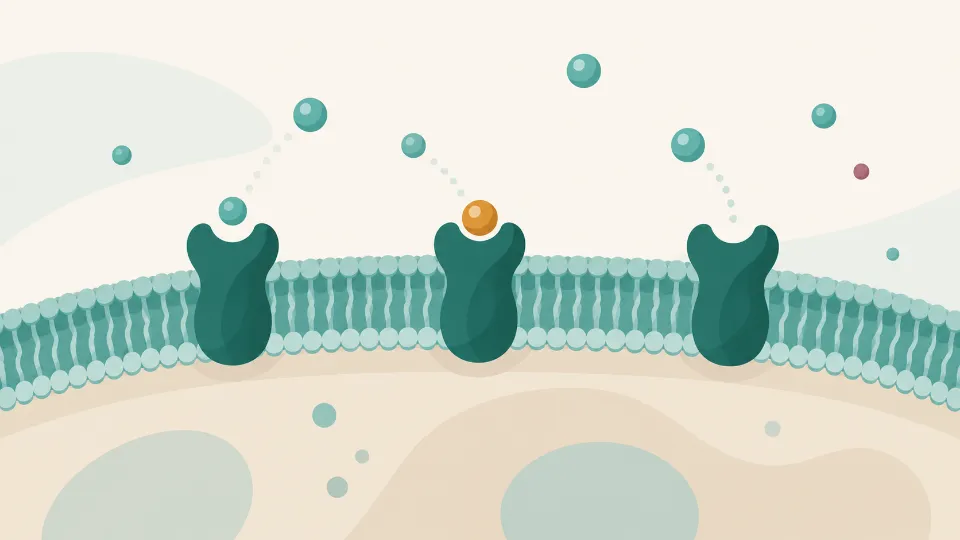
BRCA1 / BRCA2
BRCA1 and BRCA2 are genes that play a role in repairing DNA damage.
Next-generation sequencing (NGS) · Tumour tissue biopsy
View biomarker →KRAS
KRAS is a gene that regulates growth signals.
Next-generation sequencing (NGS) · KRAS PCR
View biomarker →HER2
HER2 is a protein on the surface of cells that can promote growth.
Immunohistochemistry (IHC) · FISH (fluorescence in situ hybridisation)
View biomarker →NTRK
NTRK fusion is a change that combines the NTRK gene with another gene.
Next-generation sequencing (NGS) · Immunohistochemistry (IHC)
View biomarker →
Progression and resistance concepts
- Progression can include local growth with blood vessel involvement, spread to the liver, or fluid buildup in the abdomen.
- Tolerance to previous therapy is often a determining factor in subsequent choice, as many patients undergo multiple lines of regimen.
- Repeat marker testing is sometimes considered when therapeutic options that depend on the marker emerge.
- Clinical trials are an important topic in advanced disease, especially for certain markers.
What is usually checked?
The pathology report needs to state the histological type and grade of the tumor. Molecular marker testing, including MSI/MMR and BRCA status, is often discussed in advanced disease or when considering specific therapies.
Abdominal ultrasound
Sound-wave imaging to assess the liver, bile ducts, pancreas, and other abdominal organs.
Endoscopic ultrasound (EUS)
Endoscopy with an ultrasound probe to assess depth and nearby nodes in the digestive tract.
CT scan
Cross-sectional imaging to assess tumour size, location, and nearby organs.
MRI
Magnetic-field imaging that is especially useful for soft tissue, brain, and spine assessment.
Tumour tissue biopsy
Collection of tumour tissue to confirm the diagnosis and provide material for further testing.
Next-generation sequencing (NGS)
A test that reads many genes from one tumour sample to find actionable changes.
PET-CT
Combined imaging that shows metabolic activity and anatomical location.
Blood laboratory tests
Routine blood tests to assess general condition, organ function, and selected markers.
Treatment options commonly discussed
The actual order and combination are always determined by the team directly examining the patient.
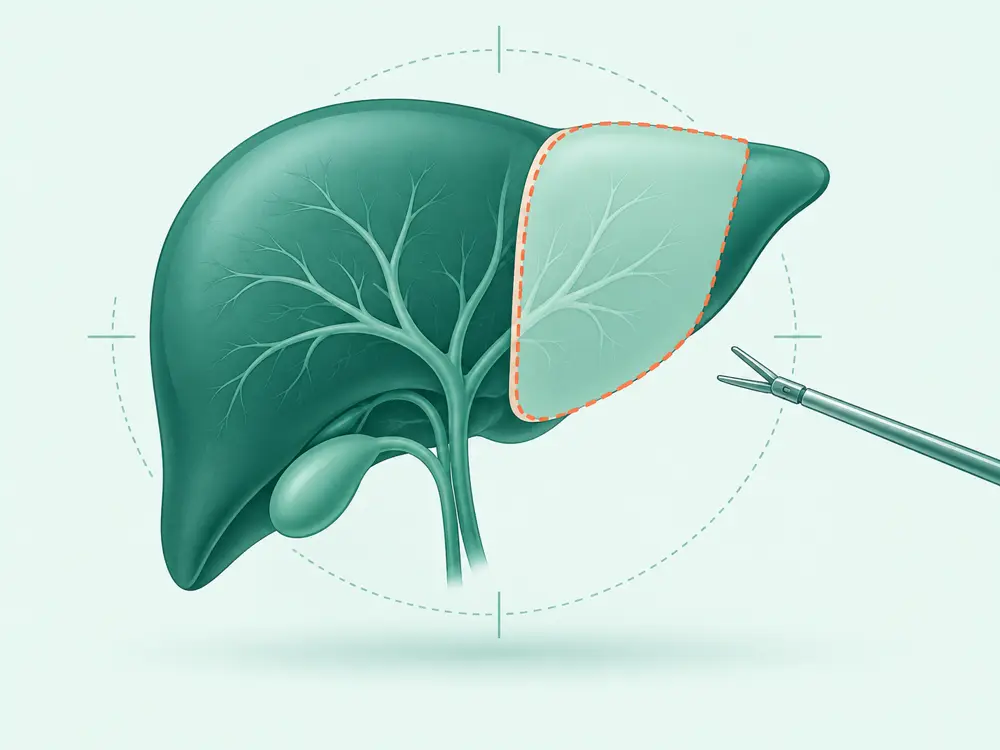
Surgery (oncologic surgery)
Removal of a tumour through surgery, often part of a plan intended to cure early-stage solid cancers.
Learn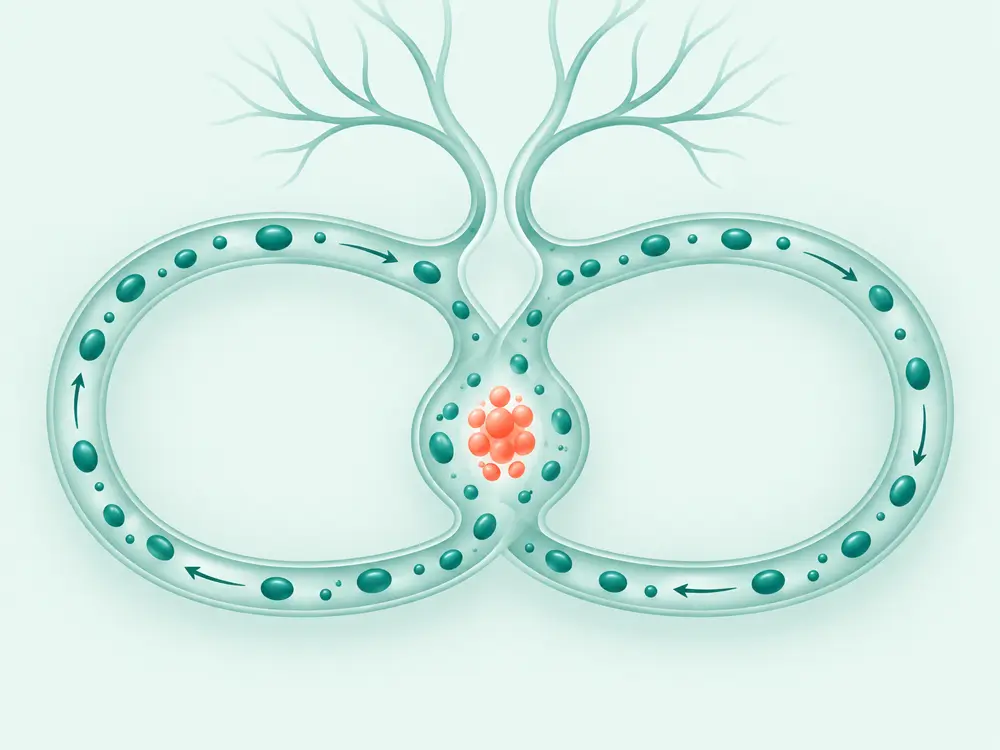
Chemotherapy
Systemic cytotoxic drugs that act on rapidly dividing cells, given in scheduled cycles.
Learn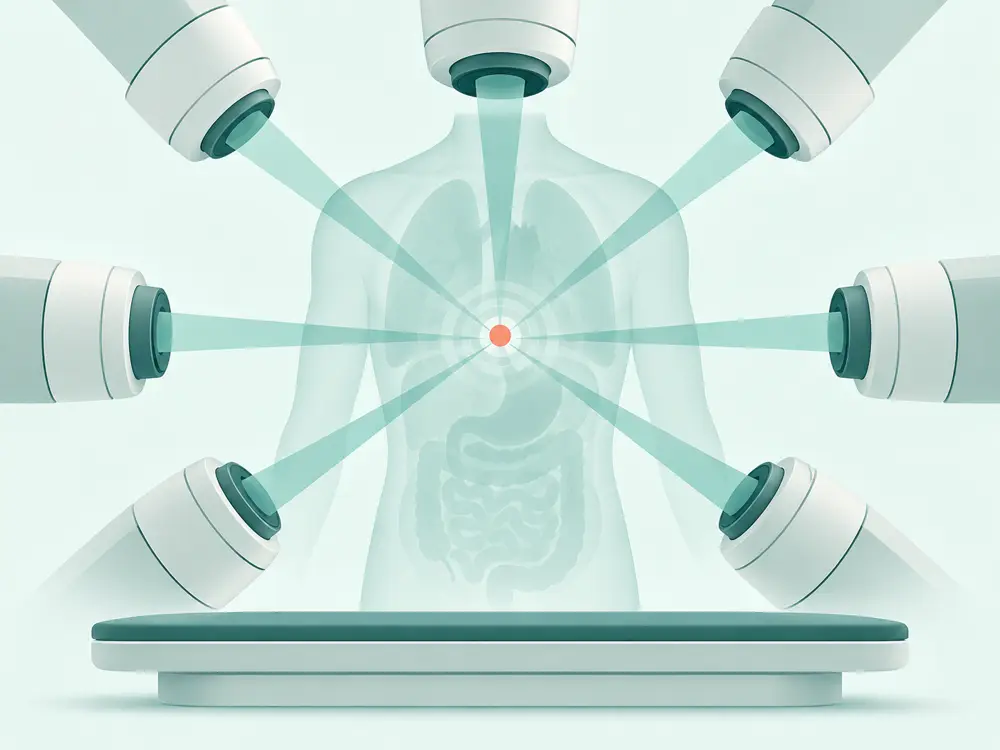
Radiotherapy
Use of directed radiation to kill or control cancer cells in a specific area.
Learn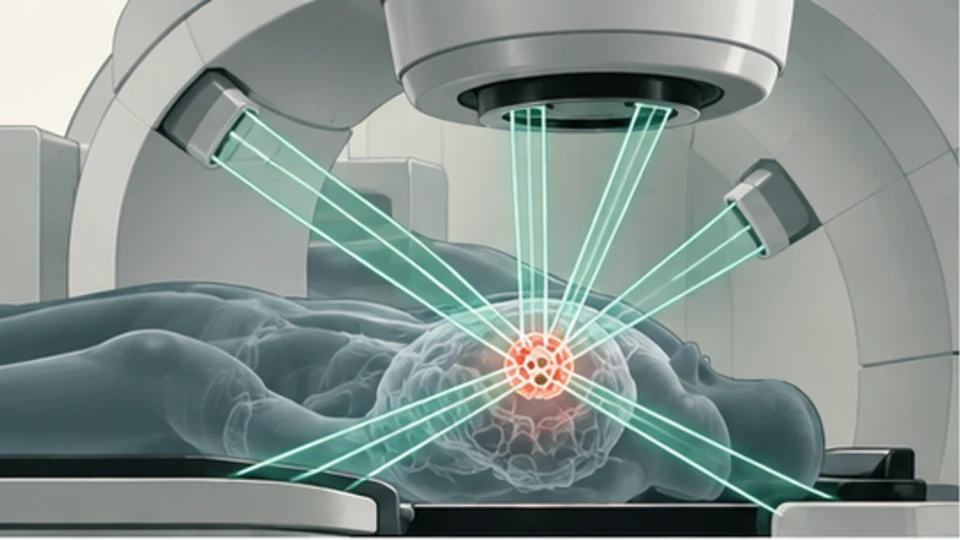
Precision radiotherapy (IMRT and VMAT)
Intensity-modulated radiotherapy that shapes the dose to the tumour contour so nearby healthy tissue is better protected.
Learn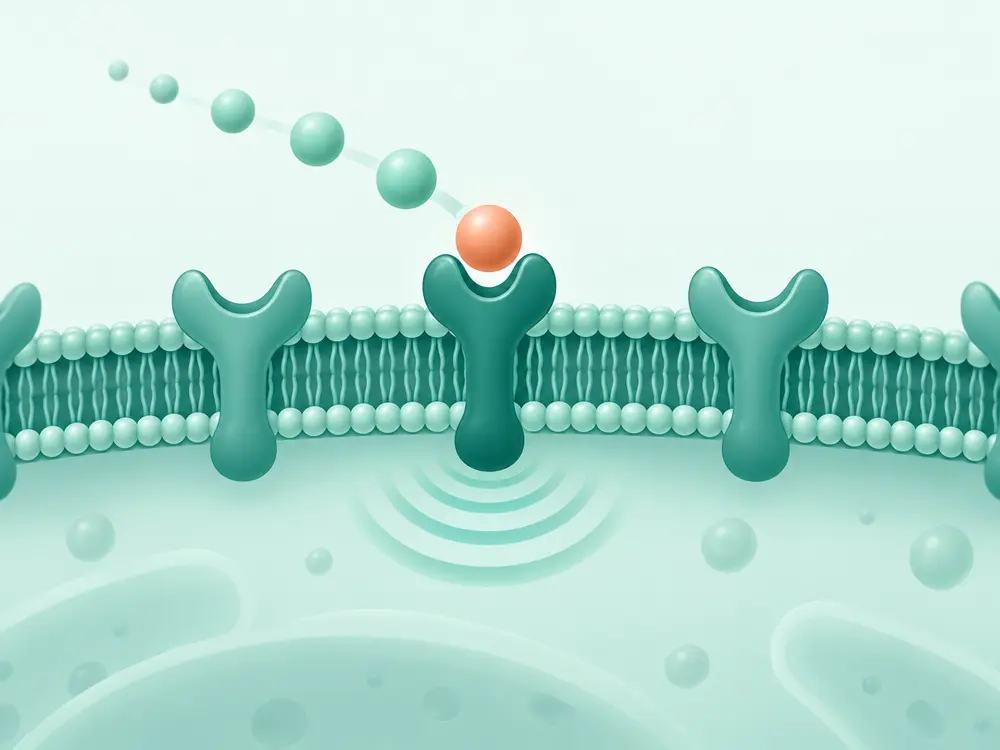
Targeted therapy
Drugs that act on a specific molecular marker in cancer cells, selected based on biomarker test results.
Learn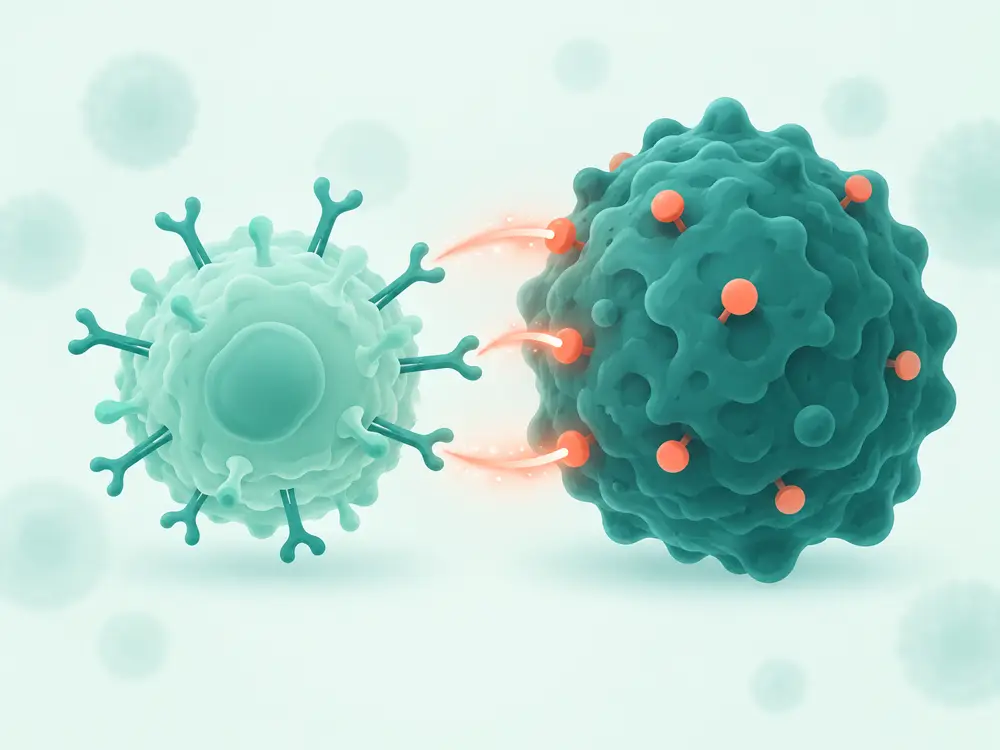
Immunotherapy
Treatment that helps the immune system recognise and attack cancer cells, usually through immune checkpoint inhibitors.
Learn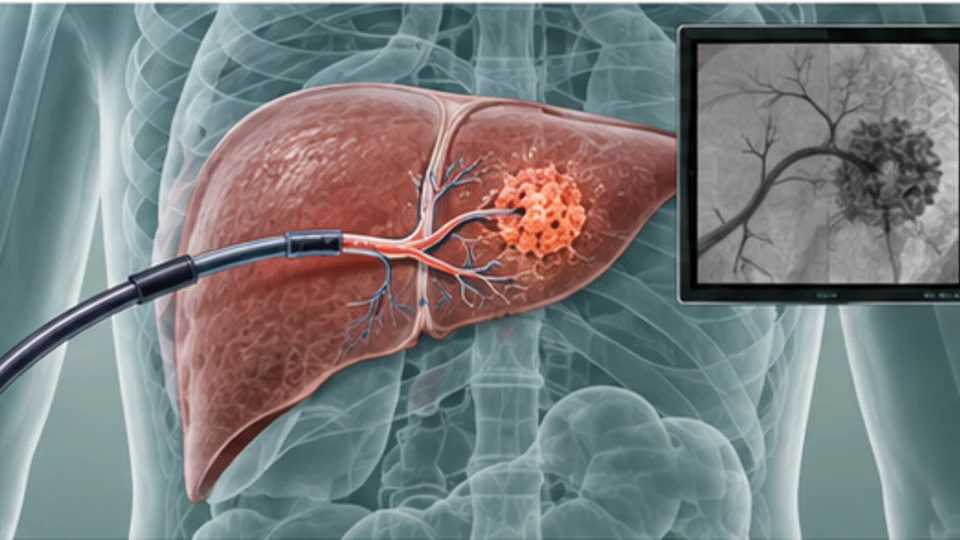
Oncology intervention (interventional radiology)
Minimally invasive image-guided procedures for diagnosis, local therapy, or complication management.
Learn
Supportive and palliative care
Management of symptoms, pain, and daily needs alongside cancer treatment.
LearnWhen are clinical trials discussed?
Trial group and treatment history
Clinical trials are usually discussed after standard pathways are mapped, or when biomarker results point to a specifically studied group. There are currently 0 registry records related to Pancreatic cancer, and 0 mention a specific biomarker.
NO DATA
No studies were filtered for this cancer group in the latest registry data.
What should be prepared for a second opinion?
Records usually requested
- Abdominal CT scan with contrast and report.
- Pathology report if biopsy is performed.
- Results of molecular marker examinations such as MSI/MMR and BRCA if any.
- Recent laboratory tests included liver function and tumor markers.
- Records of previous therapy and response.
Questions for the oncologist
- Is my tumor rated as operable, and what is the basis for this assessment?
- Has BRCA and MSI/MMR status been checked?
- What regimen is proposed and how is tolerability estimated?
- How are symptoms such as pain and indigestion treated?
- Is there a clinical trial that suits my condition?
Have BRCA1 / BRCA2 and KRAS been tested in your case?
Not sure about the next step for Pancreatic cancer?
Build a case summary so your documents and questions are organised before choosing the next step. This is what happens after you upload.
Upload reports
Photos or PDFs of pathology, biomarkers, imaging and treatment history.
Case structured
Documents are turned into a structured case summary.
Navigator review
A human navigator checks completeness before anything is shared.
Provider review
With your consent, the case is discussed with providers for assessment and a written quote.
Not sure about the next step for Pancreatic cancer?
Build a case summary so your documents and questions are organised before choosing the next step.
After submission, a human navigator reviews your request and contacts you through your chosen channel. The WhatsApp message already includes this page context, so you do not need to explain from the beginning.
Clinical data is not requested in the form and is not sent to analytics. Do not send medical reports through WhatsApp or email; use the secure upload page. We do not promise eligibility or any treatment outcome.
Deeper references
A reference section for readers who want details on subtypes, drugs, or every study record.
Pancreatic ductal adenocarcinoma
Draft, not yet medically reviewedThe most common form of pancreatic cancer, arising from the ducts of the pancreatic gland.
These tumors often involve surrounding blood vessels so assessing operability is the main determining factor. MGMT status is not relevant here, but BRCA and MSI/MMR may influence therapy discussions.
Relevant markers
Stage note
The most decisive division in practice is operable, borderline operable, and inoperable.
Pancreatic neuroendocrine tumour
Draft, not yet medically reviewedA group of pancreatic tumours arising from hormone-producing cells and behaving differently from adenocarcinoma.
Some of these tumors grow slowly and can be monitored, others are more aggressive. Some produce hormones that cause typical symptoms, and some do not produce hormones.
Relevant markers
Stage note
Assessment uses tumor size, gland involvement, spread, and degree of proliferation reported by pathology.
You just read about Pancreatic cancer. Next:
BRCA1 / BRCA2
BRCA1 and BRCA2 are genes that play a role in repairing DNA damage.
KRAS
KRAS is a gene that regulates growth signals.
Understanding clinical trials: terms, phases, and how to check early fit
7 min read
Preparing medical records for a second opinion or clinical trial
6 min read
Clinical trials related to Pancreatic cancer
0 public registry records filtered for this group.
Upload Medical Reports
Build a case summary so your documents and questions are organised.
Next steps
These suggestions come from links between entries in TanyaKanker's database, not from a medical judgement. Each suggestion includes why it appears.
Next to learn
- BRCA1 / BRCA2
Biomarker
Reason: Related through a biomarker
- HER2
Biomarker
Reason: Related through a biomarker
- Pathogenic BRCA1 or BRCA2 variant
Molecular alteration
Reason: Related to this page
- KRAS G12D
Molecular alteration
Reason: Related to this page
- Cancer treatment costs and financing: how to frame the questions
Guide
Reason: Related to this page
- Understanding clinical trials: terms, phases, and how to check early fit
Guide
Reason: Related to this page
To check
- Tumour tissue biopsy
Diagnostic test
Reason: Memerlukan pemeriksaan
- CT scan
Diagnostic test
Reason: Memerlukan pemeriksaan
- Blood laboratory tests
Diagnostic test
Reason: Memerlukan pemeriksaan
- MRI
Diagnostic test
Reason: Memerlukan pemeriksaan
- Next-generation sequencing (NGS)
Diagnostic test
Reason: Memerlukan pemeriksaan
- PET-CT
Diagnostic test
Reason: Memerlukan pemeriksaan
What you can do
- Upload medical reports
Build a case summary in twelve steps
Reason: Often the most useful next step after reading this page
- Request a second opinion
Review of the treatment plan
Reason: Relevant when a treatment plan is being considered
- Consult a navigator
A request is recorded with this page context
Reason: For asking the next step directly
Recently updated
- Leukemia
Cancer page
Date: Data revision 2026-09-10
- Brain Cancer
Cancer page
Date: Data revision 2026-09-10
- Testing Osimertinib as a Treatment for Lung Cancers With an EGFR Exon 20 Change
NCT03191149 - Phase 2
Date: Registry update in the last 30 days (2026-10-15)
- A Study of Mevrometostat for Treatment of Relapsed/Refractory SCLC, Castration Resistant Prostate Cancer, and Follicular Lymphoma
NCT03460977 - Phase 1
Date: Registry update in the last 30 days (2026-10-15)
Want to follow changes on this topic? Save the page or follow the topic so it is easy to find again. View saved items.

Prepare for your next consultation
Use the free six-question tool to prepare questions for your doctor.