Cancer types
Multiple Myeloma
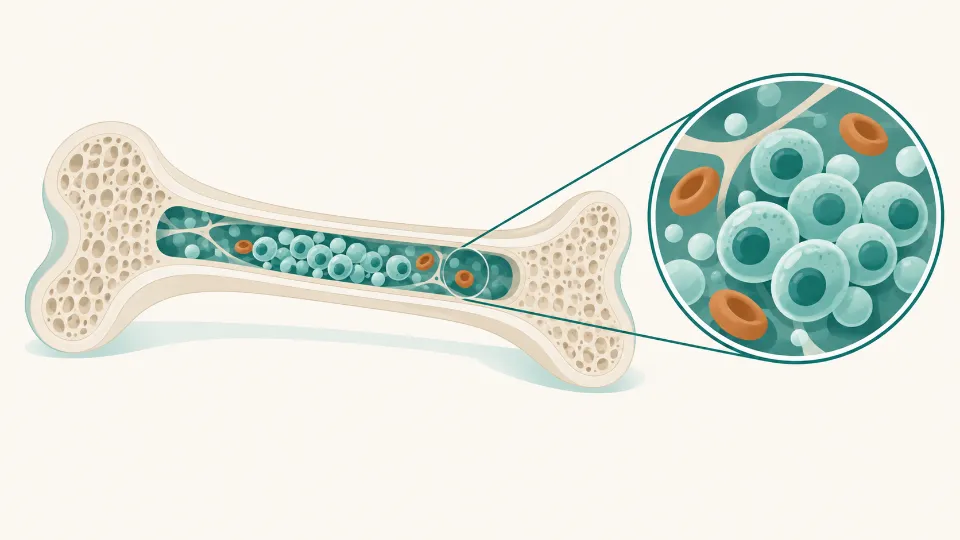
Multiple myeloma is a malignancy of plasma cells in the bone marrow, with cytogenetic markers that matter when treatment strategy is considered.
Not a diagnosis and not final medical advice. Must be reviewed by a doctor.
What is most important to know?
Multiple myeloma occurs when plasma cells in the bone marrow grow uncontrollably and produce abnormal proteins.
This disease can cause bone pain, anemia, kidney problems, and an increased risk of infection.
Therapeutic options are rapidly expanding, including antibodies, immunomodulatory drugs, proteasome inhibitors, bispecific antibodies, and CAR-T therapy.
Multiple myeloma is a blood malignancy whose incidence increases with age. Specific numerical data is not shown without direct quotation.
Every treatment line needs to be visible.
Commonly discussed symptoms
- Bone pain, especially back and ribs.
- Fatigue due to anemia.
- Frequently recurring infections.
- Impaired kidney function.
- Loss of weight and appetite.
These symptoms are not specific. A doctor still needs to assess the cause.
Risk factors
- Older age.
- Premalignant conditions such as MGUS in some cases.
- Genetic factors and certain exposures in a small percentage of cases.
What shapes the options?
Treatment discussions usually follow this path. The more complete each step is, the more focused the discussion with your doctor becomes.
Diagnosis
Confirmed through pathology review.
Subtype
2 subtypes discussed on this page.
Stage
The staging system uses a combination of blood markers and cytogenetic markers to describe disease burden and behavior.
Biomarkers
Relevant markers: Del(17p) / TP53.
Treatment history
Each previous line affects the next option.
Progression?
If the disease progresses, reassessment and molecular testing are usually discussed.
Next step
Further evaluation, clinical trials, or a second opinion.
Stage I
Blood markers indicate a low disease burden.
Stage II
Values fall between stage I and stage III.
Stage III
Blood markers indicate a high disease burden.
Relevant biomarkers
Molecular testing shapes categories, not decisions

Del(17p) / TP53
This examination looks for changes in chromosomes and genes related to how cells repair damage.
Multiple myeloma FISH panel · Next-generation sequencing (NGS)
View biomarker →
Progression and resistance concepts
- Myeloma is generally managed as a chronic disease with periods of response and periods of relapse.
- In each relapse, the choice of therapy takes into account the class of drugs that have been used previously.
- High-risk markers such as del(17p) may influence the duration of response to standard therapy.
- Cellular therapies and bispecific antibodies are often discussed in diseases that have undergone multiple lines of therapy.
What is usually checked?
Bone marrow examination assesses the proportion of plasma cells and is the basis for cytogenetic examinations such as FISH for del(17p), t(4;14), and 1q21.
Bone marrow biopsy and aspiration
Collection of bone marrow to assess plasma cells and blood production.
Multiple myeloma FISH panel
A cytogenetic test to detect chromosome changes linked to risk in multiple myeloma.
Next-generation sequencing (NGS)
A test that reads many genes from one tumour sample to find actionable changes.
Blood laboratory tests
Routine blood tests to assess general condition, organ function, and selected markers.
MRI
Magnetic-field imaging that is especially useful for soft tissue, brain, and spine assessment.
PET-CT
Combined imaging that shows metabolic activity and anatomical location.
Treatment options commonly discussed
The actual order and combination are always determined by the team directly examining the patient.

Targeted therapy
Drugs that act on a specific molecular marker in cancer cells, selected based on biomarker test results.
Learn
Immunotherapy
Treatment that helps the immune system recognise and attack cancer cells, usually through immune checkpoint inhibitors.
Learn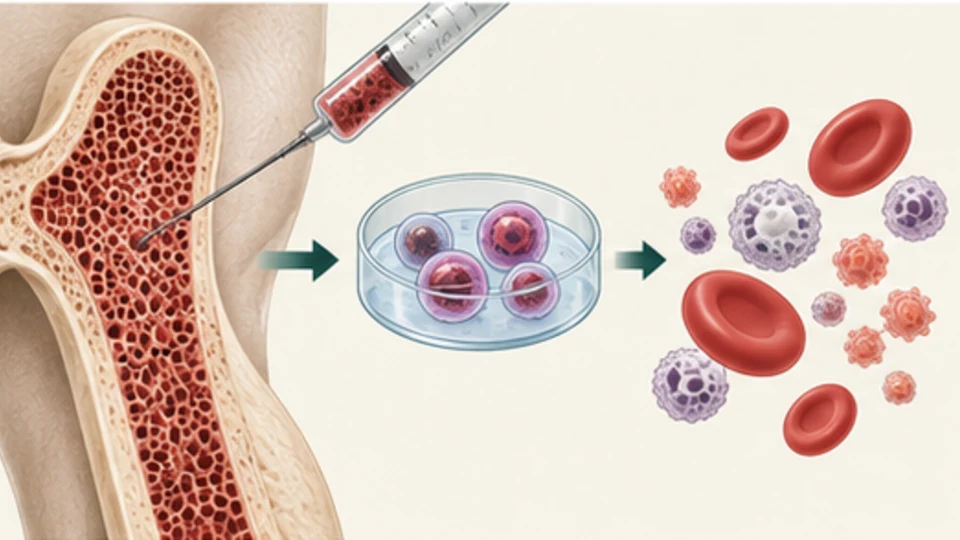
Stem cell transplant
Infusion of haematopoietic stem cells after high-dose therapy or as part of recovery, to restore blood production.
Learn
CAR-T (chimeric antigen receptor T-cell therapy)
Cellular therapy that modifies a patient's T cells so they recognise a marker on cancer cells, then returns them to the patient's body.
Learn
Radiotherapy
Use of directed radiation to kill or control cancer cells in a specific area.
Learn
SBRT (stereotactic radiotherapy)
Highly targeted high-dose radiotherapy delivered in a small number of sessions to a small, clear target.
Learn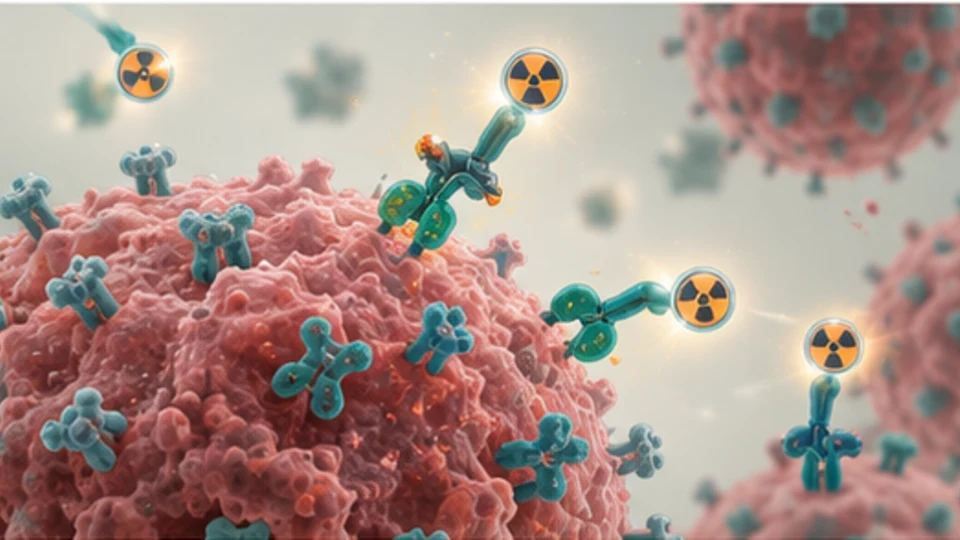
Radionuclide therapy (radioligand therapy)
Drugs that carry radiation to a specific target on cancer cells through a binding molecule.
Learn
Supportive and palliative care
Management of symptoms, pain, and daily needs alongside cancer treatment.
LearnWhen are clinical trials discussed?
Trial group and treatment history
Clinical trials are usually discussed after standard pathways are mapped, or when biomarker results point to a specifically studied group. There are currently 62 registry records related to Multiple myeloma, and 4 mention a specific biomarker.
NCT05735704Not listedCombination regimen
Early Detection and Screening of Hematological Malignancies - SANGUINE
Czechia, Greece, Israel +14 registry sites
Why this appears: Appears because it is recorded for Lymphoma.
What to verify: Acceptance of patients from outside the local country has not been verified.
- Registry
- Recruiting in registry
- Site
- Not verified
- International access
- Unknown
- Patient match
- Not assessed
Last checked 16 Oktober 2026Source ClinicalTrials.govNCT05735704Not verified
NCT06904066Phase 1CAR-T cell therapy
Autologous T Cells Transduced With Retroviral Vectors Expressing TCRs for Participant-specific Neoantigens in Patients With Hematologic Malignancies
Lymphoma, Multiple Myeloma | CAR-T cell therapy, Stem cell transplant, Chemotherapy
United States1 registry sites
Why this appears: Appears because it is recorded for Lymphoma, the treatment category is CAR-T cell therapy.
What to verify: Acceptance of patients from outside the local country has not been verified.
- Registry
- Recruiting in registry
- Site
- Not verified
- International access
- Unknown
- Patient match
- Not assessed
Last checked 16 Oktober 2026Source ClinicalTrials.govNCT06904066Not verified
NCT07200089Phase 1CAR-T cell therapy
Recombinant Human IL-7 (NT-I7) in Relapsed/Refractory Multiple Myeloma Following BCMA CAR-T Therapy (Cilta-cel)
Multiple Myeloma | CAR-T cell therapy
United States1 registry sites
Why this appears: Appears because it is recorded for Multiple Myeloma, the treatment category is CAR-T cell therapy.
What to verify: Acceptance of patients from outside the local country has not been verified.
- Registry
- Recruiting in registry
- Site
- Not verified
- International access
- Unknown
- Patient match
- Not assessed
Last checked 16 Oktober 2026Source ClinicalTrials.govNCT07200089Not verified
NCT07200102Phase 1CAR-T cell therapy
Selinexor Maintenance Post CAR-T Cell Therapy for Multiple Myeloma
Multiple Myeloma | CAR-T cell therapy, Targeted therapy
United States1 registry sites
Why this appears: Appears because it is recorded for Multiple Myeloma, the treatment category is CAR-T cell therapy.
What to verify: Acceptance of patients from outside the local country has not been verified.
- Registry
- Recruiting in registry
- Site
- Not verified
- International access
- Unknown
- Patient match
- Not assessed
Last checked 16 Oktober 2026Source ClinicalTrials.govNCT07200102Not verified
What should be prepared for a second opinion?
Records usually requested
- Latest bone marrow biopsy report.
- Results of FISH and cytogenetic examination.
- Complete blood count including M protein and light chain ratio.
- Latest MRI or PET-CT if there are bone complaints.
- Note all previous lines of therapy and response.
Questions for the oncologist
- What stage am I at and are there any high risk markers on FISH?
- What therapy have I undergone, and what class of drugs have I used?
- Do I meet the criteria for an autologous transplant?
- Are cellular therapies such as CAR-T or bispecific antibodies relevant to me?
- Is there a clinical trial that suits my condition?
Is every previous treatment line fully documented?
Not sure about the next step for Multiple myeloma?
Build a case summary so your documents and questions are organised before choosing the next step. This is what happens after you upload.
Upload reports
Photos or PDFs of pathology, biomarkers, imaging and treatment history.
Case structured
Documents are turned into a structured case summary.
Navigator review
A human navigator checks completeness before anything is shared.
Provider review
With your consent, the case is discussed with providers for assessment and a written quote.
Not sure about the next step for Multiple myeloma?
Build a case summary so your documents and questions are organised before choosing the next step.
After submission, a human navigator reviews your request and contacts you through your chosen channel. The WhatsApp message already includes this page context, so you do not need to explain from the beginning.
Clinical data is not requested in the form and is not sent to analytics. Do not send medical reports through WhatsApp or email; use the secure upload page. We do not promise eligibility or any treatment outcome.
Deeper references
A reference section for readers who want details on subtypes, drugs, or every study record.
Standard-risk multiple myeloma
Draft, not yet medically reviewedMultiple myeloma without high-risk cytogenetic markers, generally discussed with drug combinations and possible autologous transplant.
This group is typically treated with a combination of proteasome inhibitors, immunomodulators, and anti-CD38 antibodies, with autologous transplantation discussed in patients who meet the criteria.
Relevant markers
Stage note
Assessment uses a staging system that combines albumin, beta-2 microglobulin, and cytogenetic markers.
High-risk multiple myeloma
Draft, not yet medically reviewedMultiple myeloma with specific cytogenetic markers that make response to standard therapy harder to maintain.
17p deletion, TP53 mutation, t(4;14), t(14;16), and 1q21 gain are among the markers that are often discussed as high risk factors. This group is often directed to discuss intensification of therapy and clinical trials.
Relevant markers
Stage note
Cytogenetic markers are used in conjunction with staging to predict disease behavior, not to determine the exact prognosis of an individual.
You just read about Multiple myeloma. Next:
Del(17p) / TP53
This examination looks for changes in chromosomes and genes related to how cells repair damage.
Understanding clinical trials: terms, phases, and how to check early fit
7 min read
Preparing medical records for a second opinion or clinical trial
6 min read
Clinical trials related to Multiple myeloma
62 public registry records filtered for this group.
Upload Medical Reports
Build a case summary so your documents and questions are organised.
Next steps
These suggestions come from links between entries in TanyaKanker's database, not from a medical judgement. Each suggestion includes why it appears.
Next to learn
- BCMA
Biomarker
Reason: Related through a biomarker
- Del(17p) / TP53
Biomarker
Reason: Related through a biomarker
- BCMA positive
Molecular alteration
Reason: Related to this page
- GPRC5D positive
Molecular alteration
Reason: Related to this page
- Registry status, active site, and international patient acceptance: three different things
Guide
Reason: Related to this page
- Cancer insurance and financing: reimbursement, cashless, and questions for the payer
Guide
Reason: Related to this page
To check
- Long-term Evaluation and Follow-up Care of Patients Treated With Stem Cell Transplants
Clinical trial
Reason: Has a clinical trial
- Collection of Tissue Samples for Cancer Research
Clinical trial
Reason: Has a clinical trial
- Tissue Collection for Studies of Lymph Cancer
Clinical trial
Reason: Has a clinical trial
- Biospecimen Procurement for Center for Immuno-Oncology Immunotherapy Protocols
Clinical trial
Reason: Has a clinical trial
- TAPUR: Testing the Use of Food and Drug Administration (FDA) Approved Drugs That Target a Specific Abnormality in a Tumor Gene in People With Advanced Stage Cancer
Clinical trial
Reason: Has a clinical trial
- Observational Prospective Research Study In Monoclonal Gammopathies leadINg to Myeloma
Clinical trial
Reason: Has a clinical trial
What you can do
- Upload medical reports
Build a case summary in twelve steps
Reason: Often the most useful next step after reading this page
- Request a second opinion
Review of the treatment plan
Reason: Relevant when a treatment plan is being considered
- Consult a navigator
A request is recorded with this page context
Reason: For asking the next step directly
Recently updated
- Leukemia
Cancer page
Date: Data revision 2026-09-10
- Brain Cancer
Cancer page
Date: Data revision 2026-09-10
- Pancreatic Cancer
Cancer page
Date: Data revision 2026-09-10
- Testing Osimertinib as a Treatment for Lung Cancers With an EGFR Exon 20 Change
NCT03191149 - Phase 2
Date: Registry update in the last 30 days (2026-10-15)
Want to follow changes on this topic? Save the page or follow the topic so it is easy to find again. View saved items.

Prepare for your next consultation
Use the free six-question tool to prepare questions for your doctor.