Advanced treatment
Radionuclide therapy (radioligand therapy)
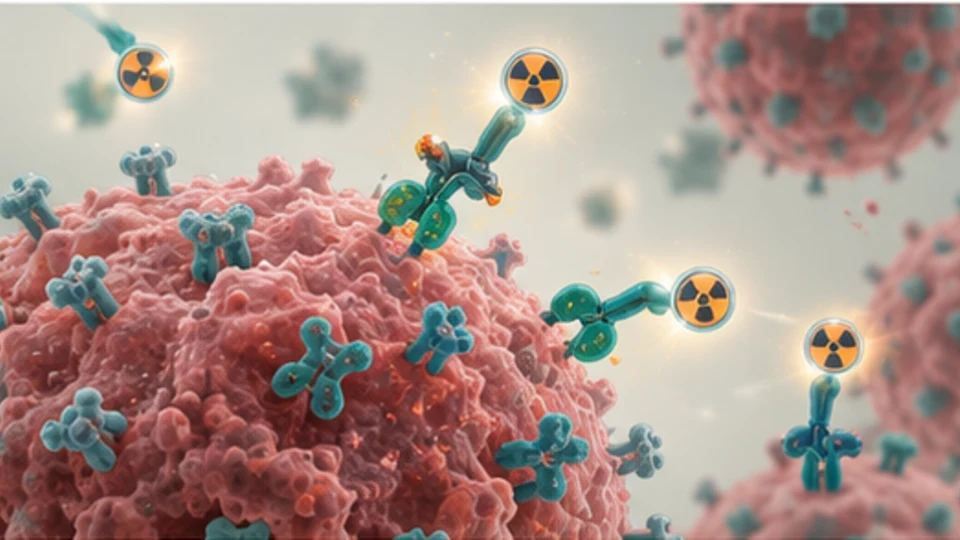
Drugs that carry radiation to a specific target on cancer cells through a binding molecule.
Not a diagnosis and not final medical advice. Must be reviewed by a doctor.
What is it?
This approach combines a target-binding molecule with a radioactive isotope.
Their use depends on the expression of targets, for example certain surface markers or receptors in certain tumor types.
Facilities must have a permit and capability to handle radioactive materials.
The carrier molecules attach to targets on cancer cells and deliver localized radiation over a short distance.
How it works
The carrier molecules attach to targets on cancer cells and deliver localized radiation over a short distance.
Position in the treatment pathway: Generally discussed in advanced disease after other therapies, or within the framework of clinical trials.
Which cancers is it usually discussed for?
Usually considered
- Target expression was confirmed by special assays.
- Adequate condition of blood and organs.
- Availability of licensed facilities.
Usually not a candidate
- Target not detected.
- Inadequate blood or organ conditions.
What is the process like?
Preparation 1
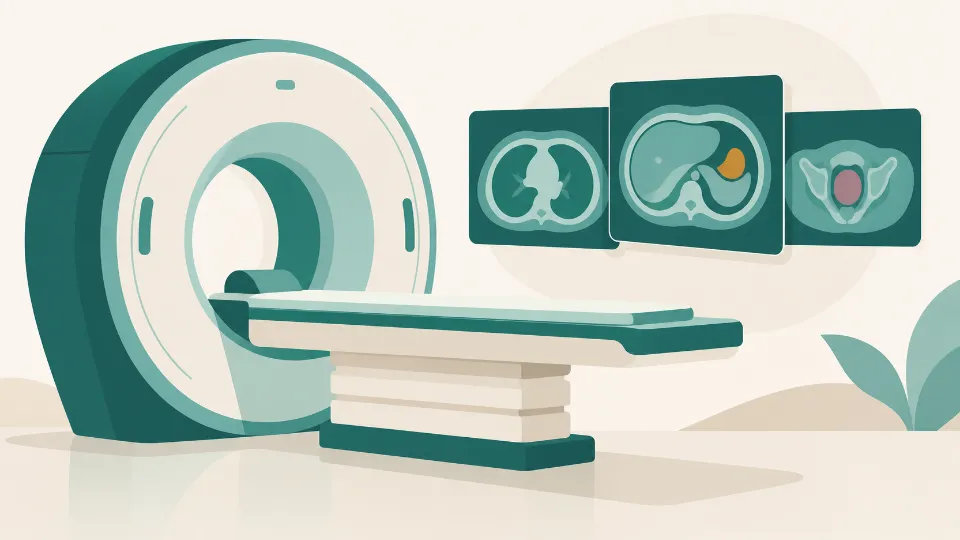
Target marker check.
Preparation 2
Evaluation of kidney and blood function.
Preparation 3
Preparation of protection according to facility protocols.
Monitoring
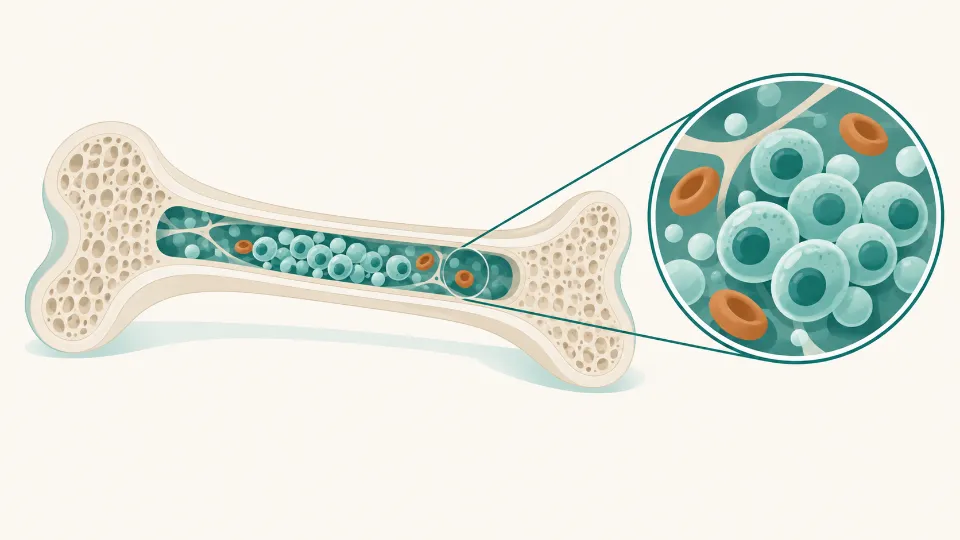
Regular blood cell monitoring.
All preparation
- Target marker check.
- Evaluation of kidney and blood function.
- Preparation of protection according to facility protocols.
All monitoring
- Regular blood cell monitoring.
- Evaluation of organ function and disease response.
Risks and points to watch
Side-effect notes, not a complete list
- A decrease in blood cells may occur.
- Complaints depend on the organ where the radioactive material is processed.

Cost and access
Cost figures depend heavily on location, facility and payer. We do not show estimated figures on this page; what can be prepared first are the questions.
Providers and clinical trials
Access status not yet verified
NCT07114601Phase 1Combination regimen
A Study of LY4257496 in Participants With Cancer (OMNIRAY)
Stomach Cancer | Targeted therapy, Radionuclide therapy (radioligand)
United States, Canada, China +433 registry sites
Why this appears: Appears because it is recorded for Stomach Cancer, the treatment category is Targeted therapy.
What to verify: Acceptance of patients from outside the local country has not been verified.
- Registry
- Recruiting in registry
- Site
- Not verified
- International access
- Unknown
- Patient match
- Not assessed
Last checked 16 Oktober 2026Source ClinicalTrials.govNCT07114601Not verified
NCT07213791Phase 1Radiotherapy
A Study of LY4337713 in Participants With FAP-Positive Solid Tumors
Stomach Cancer | Radionuclide therapy (radioligand)
United States, China, Germany +230 registry sites
Why this appears: Appears because it is recorded for Stomach Cancer, the treatment category is Radionuclide therapy (radioligand).
What to verify: Acceptance of patients from outside the local country has not been verified.
- Registry
- Recruiting in registry
- Site
- Not verified
- International access
- Unknown
- Patient match
- Not assessed
Last checked 16 Oktober 2026Source ClinicalTrials.govNCT07213791Not verified
NCT07812805Phase 1Radiotherapy
SKL35501 With SKL35502 Imaging in Adults With NTSR1 Positive Advanced Solid Tumors
Stomach Cancer | Radionuclide therapy (radioligand)
United States, South Korea5 registry sites
Why this appears: Appears because it is recorded for Stomach Cancer, the treatment category is Radionuclide therapy (radioligand).
What to verify: Acceptance of patients from outside the local country has not been verified.
- Registry
- Recruiting in registry
- Site
- Not verified
- International access
- Unknown
- Patient match
- Not assessed
Last checked 16 Oktober 2026Source ClinicalTrials.govNCT07812805Not verified
Questions for the doctor
- What targets are examined before this therapy?
- Does the facility have a permit to handle radioactive materials?
- How is blood monitoring after therapy?
Sources
- NCI Dictionary of Cancer Terms(lembaga)
Is Radionuclide therapy (radioligand therapy) relevant for my case?
Ask for an initial review. We will explain which documents and markers need to be completed before discussion with a doctor.
Upload reports
Photos or PDFs of pathology, biomarkers, imaging and treatment history.
Case structured
Documents are turned into a structured case summary.
Navigator review
A human navigator checks completeness before anything is shared.
Provider review
With your consent, the case is discussed with providers for assessment and a written quote.
Is Radionuclide therapy (radioligand therapy) relevant for my case?
Ask for an initial review. We will explain which documents and markers need to be completed before discussion with a doctor.
After submission, a human navigator reviews your request and contacts you through your chosen channel. The WhatsApp message already includes this page context, so you do not need to explain from the beginning.
Clinical data is not requested in the form and is not sent to analytics. Do not send medical reports through WhatsApp or email; use the secure upload page. We do not promise eligibility or any treatment outcome.
You just read about Radionuclide therapy (radioligand therapy). Next:


Next steps
These suggestions come from links between entries in TanyaKanker's database, not from a medical judgement. Each suggestion includes why it appears.
To check
- Blood laboratory tests
Diagnostic test
Reason: Memerlukan pemeriksaan
- PET-CT
Diagnostic test
Reason: Memerlukan pemeriksaan
- Lung cancer with spread to the bones
Decision situation
Reason: Mungkin memerlukan
- Check medical report completeness
Tool
Reason: Prepare documents that still need confirmation
- Prepare questions for your doctor
Tool
Reason: Bring clear questions to the next conversation
What you can do
- Upload medical reports
Build a case summary in twelve steps
Reason: Often the most useful next step after reading this page
- Request a second opinion
Review of the treatment plan
Reason: Relevant when a treatment plan is being considered
- Consult a navigator
A request is recorded with this page context
Reason: For asking the next step directly
Recently updated
- Leukemia
Cancer page
Date: Data revision 2026-09-10
- Brain Cancer
Cancer page
Date: Data revision 2026-09-10
- Pancreatic Cancer
Cancer page
Date: Data revision 2026-09-10
- Testing Osimertinib as a Treatment for Lung Cancers With an EGFR Exon 20 Change
NCT03191149 - Phase 2
Date: Registry update in the last 30 days (2026-10-15)
Want to follow changes on this topic? Save the page or follow the topic so it is easy to find again. View saved items.
Prepare for your next consultation
Use the free six-question tool to prepare questions for your doctor.