Preparing medical records for a second opinion or clinical trial
A checklist of documents commonly needed, how to name files, and what to check before records are sent.
Prepared and published by TanyaKanker
For: Patients and families sending records to another facility

Medical review status
30-second answer
The key point
A checklist of documents commonly needed, how to name files, and what to check before records are sent.
This is an educational summary, not a diagnosis or final treatment recommendation.
Collect the core documents first
The destination team usually needs a complete picture quickly. A clear set of core documents is more useful than a large unsorted pile.
- Disease history summary prepared by the treating doctor.
- Most recent pathology report, including histology.
- Molecular test report, including method and laboratory.
- Most recent imaging and its report.
- Treatment history, including dates and response.
- Current medication list.
Watch dates and sequence
Destination facilities read the history in sequence. Sorting documents by date makes disease changes and treatment response easier to understand.
Include the newest results, and mark tests that have not been done or whose results are not yet available.
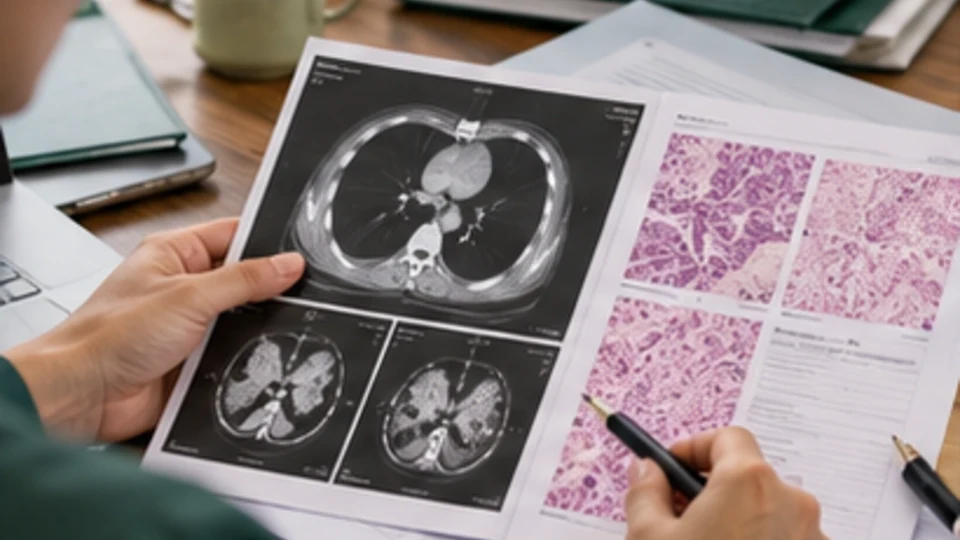
Penjelasan visual
Make the report easy for any reviewer to read
Well-ordered records save review time and usually produce more specific answers.
This diagram explains the sequence of assessment and discussion. It is not treatment advice or an eligibility decision.
Separate records by type
Pathology, molecular testing, imaging, laboratory results, and discharge summaries.
Check the conclusion pages
Without a conclusion, raw reports are difficult to assess.
Mark each test date
The date sequence shows how the disease has changed.
Order previous treatment lines
Record regimen names, start and stop dates, and reasons for stopping.
Keep them in one file
Include a list of the records you actually hold.
An easy-to-read report makes the answer more specific.
Prepare digital files
Scan documents at readable quality and save them separately by document type. Unfocused photos can slow the first review.
- Use descriptive file names without excessive sensitive detail.
- Keep original copies for yourself and your family.
- Track which documents the destination facility still asks for.
Security and privacy
Medical records contain sensitive personal data. Send them only through official channels agreed with the facility or navigator handling the case.
In TanyaKanker, the current upload flow runs in demo mode: files are not sent to or stored on the server. That changes only after medical-data storage and consent flow are validated.

Langkah berikutnya
If you have medical reports, build a case summary so your documents and questions are organised before consultation.