Guides
Cancer guides
Practical guides for patients and families: reading a report, preparing documents, and writing down the questions that decide the next step. Everything here is educational and is not a diagnosis.

Start with these three
Three guides cover the questions that most often arrive together: a targeted therapy that stopped working, a CLDN18.2 result on a stomach cancer report, and a lymphoma that came back.


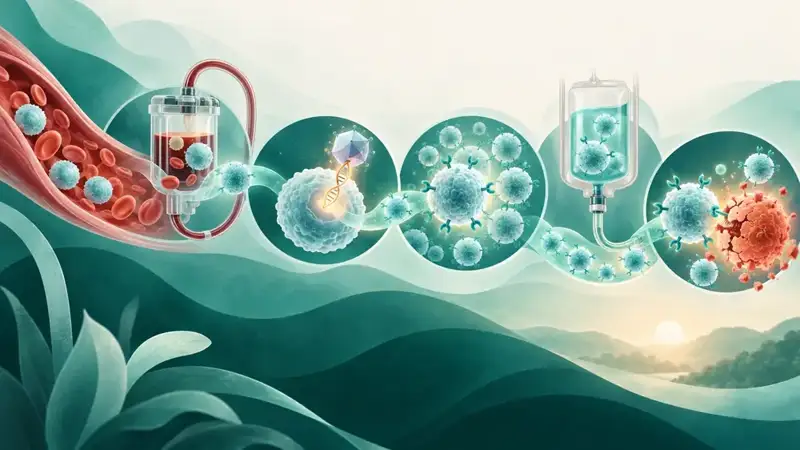
For newly diagnosed patients
Reading a pathology report, preparing documents, and writing questions for the first visit.
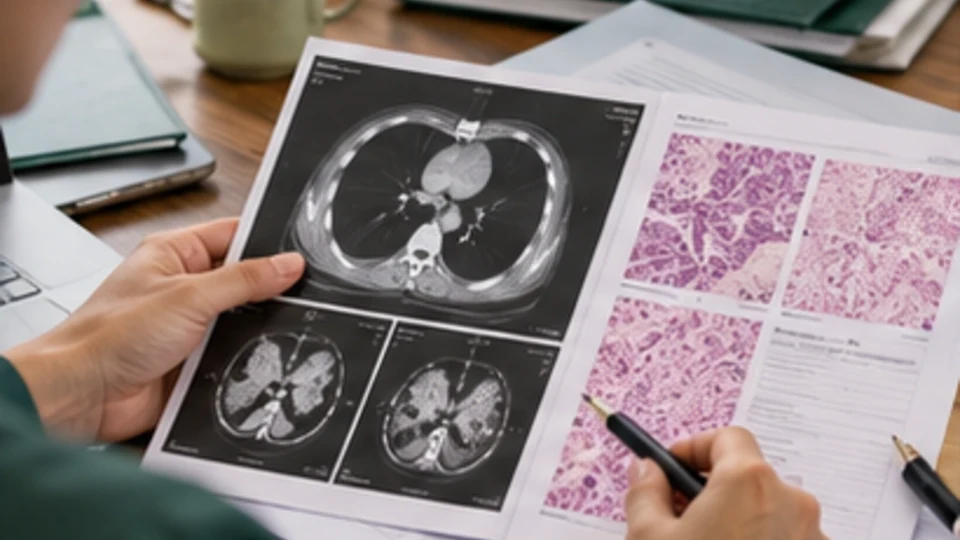
For newly diagnosed patients
Preparing medical records for a second opinion or clinical trial
A checklist of documents commonly needed, how to name files, and what to check before records are sent.
Draft, not yet reviewed by a doctorBaca panduan6 menit baca
For newly diagnosed patients
Questions to bring to the oncology appointment
A set of questions to bring to consultation so time is spent on the points that matter most.
Draft, not yet reviewed by a doctorBaca panduan5 menit baca
For newly diagnosed patients
Reading a pathology report: which parts matter most
An explanation of the main parts of a pathology report and what to ask the doctor about them.
Draft, not yet reviewed by a doctorBaca panduan6 menit bacaFor newly diagnosed patients
How should a cancer biopsy report be read? Key terms explained
A short guide to finding diagnosis, histology, grade, and suggested follow-up tests without treating the page as a new diagnosis.
Draft, not yet reviewed by a doctorBaca panduan5 menit bacaFor newly diagnosed patients
Chemotherapy is not working: what should I ask about next?
Questions and records to understand a change in scan results, possible evaluations, and when a second opinion may help.
Draft, not yet reviewed by a doctorBaca panduan5 menit baca
Second opinion
When a second review of the treatment plan helps, and which documents to send.

Second opinion
Second opinion: when it helps and how to request one
An explanation of the purpose of a second opinion, the documents usually needed, and how to discuss the result with the treating team.
Draft, not yet reviewed by a doctorBaca panduan5 menit baca
Second opinion
When a second opinion is more useful
A second opinion is most useful when uncertainty could change the plan: unclear diagnosis, incomplete markers, or progression. When there is no open question, the value may be smaller.
Draft, not yet reviewed by a doctorBaca panduan5 menit baca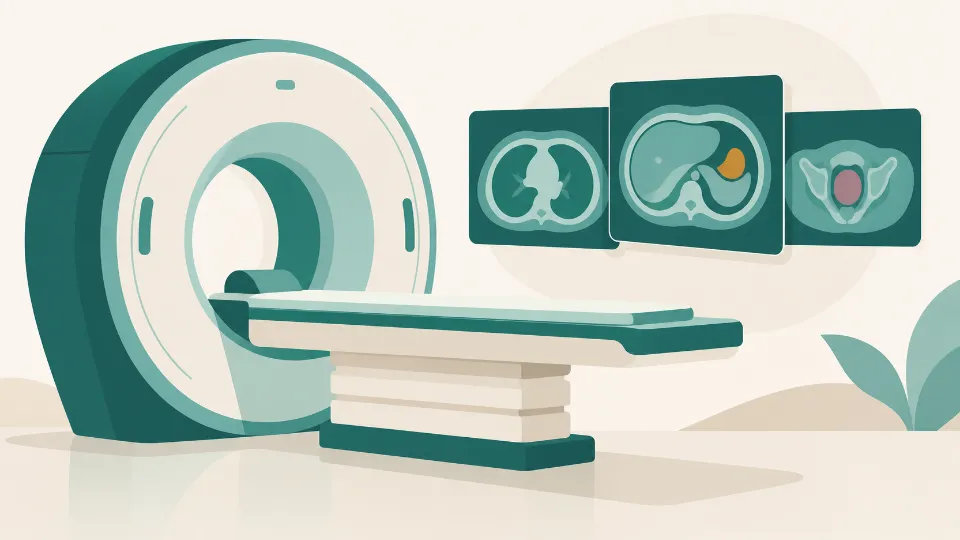
Second opinion
Documents to prepare for a second opinion
A second opinion needs the same records the current team reads: clinical summary, pathology, molecular results, imaging, and treatment history. Complete, ordered files speed the review.
Draft, not yet reviewed by a doctorBaca panduan5 menit bacaSecond opinion
How much does a cancer second opinion cost? Factors to request in writing
What can make a second-opinion fee differ and how to request written scope and cancellation terms without promising a price or outcome.
Draft, not yet reviewed by a doctorBaca panduan4 menit baca
Clinical trials
How to read study criteria, and advanced therapy such as CAR-T, usually reached through a study or an international programme.

Clinical trials
Understanding clinical trials: terms, phases, and how to check early fit
A basic explanation of clinical trial phases, recruitment status, and why a recruiting registry record does not mean an international patient can automatically join.
Draft, not yet reviewed by a doctorBaca panduan7 menit baca
Clinical trials
How to read clinical trial inclusion and exclusion criteria
Inclusion criteria describe who may take part; exclusion criteria describe who may not. They must be read together, and the final assessment remains with the study team.
Draft, not yet reviewed by a doctorBaca panduan6 menit baca
Clinical trials
Joining a clinical trial abroad: what must be confirmed
A trial abroad requires clarity on international acceptance, language and consent, stay permission, financing, and who monitors the patient during the study. Confirm all of this before travelling.
Draft, not yet reviewed by a doctorBaca panduan6 menit baca
Clinical trials
Questions before deciding to join a clinical trial
Before joining a trial, understand the study goal, comparator, required procedures, cost split, and choices if you stop. Written questions help consultation time focus on what matters.
Draft, not yet reviewed by a doctorBaca panduan6 menit baca
Biomarkers
What a marker result on a molecular report means, and the usual next discussion.

Biomarkers
Understanding biomarkers without heavy jargon
A plain-language explanation of biomarkers, testing methods, and why a complete report is more useful than a positive or negative result alone.
Draft, not yet reviewed by a doctorBaca panduan7 menit bacaBiomarkers
What does EGFR positive mean? How to read the result and prepare questions
A short explanation of what EGFR positive can mean, what it cannot establish by itself, and which records to bring to a doctor discussion.
Draft, not yet reviewed by a doctorBaca panduan4 menit baca
Cost
Writing cost questions, requesting a written estimate, and assessing insurance or payer routes.

Cost
Cancer treatment costs and financing: how to frame the questions
A framework for asking facilities about costs without relying on numbers that cannot be verified.
Draft, not yet reviewed by a doctorBaca panduan6 menit baca
Cost
Cancer treatment costs abroad: what actually makes up the number
Overseas cancer care costs come from separable components: doctor fees, medicines, procedures, room charges, laboratory, imaging, and international-patient administration. Early quoted figures are usually not the final bill.
Draft, not yet reviewed by a doctorBaca panduan6 menit baca
Cost
How to request a treatment cost estimate: documents and information needed
To provide a written estimate, a facility usually needs the diagnosis, intended treatment plan, and supporting records. A useful estimate states coverage, assumptions, and validity.
Draft, not yet reviewed by a doctorBaca panduan5 menit baca
Cost
Cancer insurance and financing: reimbursement, cashless, and questions for the payer
Reimbursement means paying first and claiming later; cashless means the facility bills the payer for approved coverage. Both depend on benefits and approval.
Draft, not yet reviewed by a doctorBaca panduan6 menit baca
Care abroad
Travel readiness, international patient acceptance, and how to verify a destination facility.

Care abroad
Preparing to seek care outside your city or country
A practical and administrative readiness checklist before care away from home, without promises of success or acceptance.
Draft, not yet reviewed by a doctorBaca panduan6 menit baca
Care abroad
Registry status, active site, and international patient acceptance: three different things
Listed in a registry, active at a site, and accepting international patients are separate statuses. One does not prove the others, so each must be confirmed separately.
Draft, not yet reviewed by a doctorBaca panduan6 menit baca
Care abroad
Choosing a hospital abroad: what to verify first
Before committing, verify the clinical goal, service fit, administration, written estimate, and communication route. Reputation alone is not enough and does not replace direct confirmation.
Draft, not yet reviewed by a doctorBaca panduan6 menit baca
A reading order that works
Read the explanation of the result first, then the decision under discussion, then the paperwork. Access and cost come last, because both depend on the first two answers.
Understand the result
Pathology report, molecular marker, stage.
Prepare the conversation
Questions for the oncologist, second opinion, documents.
Assess access
Trials, facilities abroad, international patient acceptance.
Ask about cost in writing
Written estimate, insurance or payer route.
Straight to the related cluster
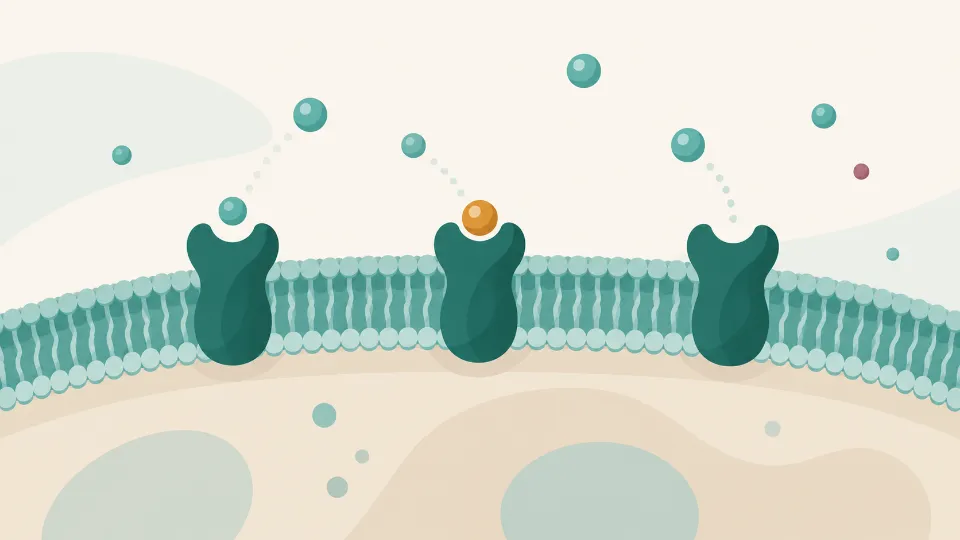

This information is not a diagnosis or a medical recommendation. Decisions remain with your medical team.
Not a diagnosis and not final medical advice. Must be reviewed by a doctor.