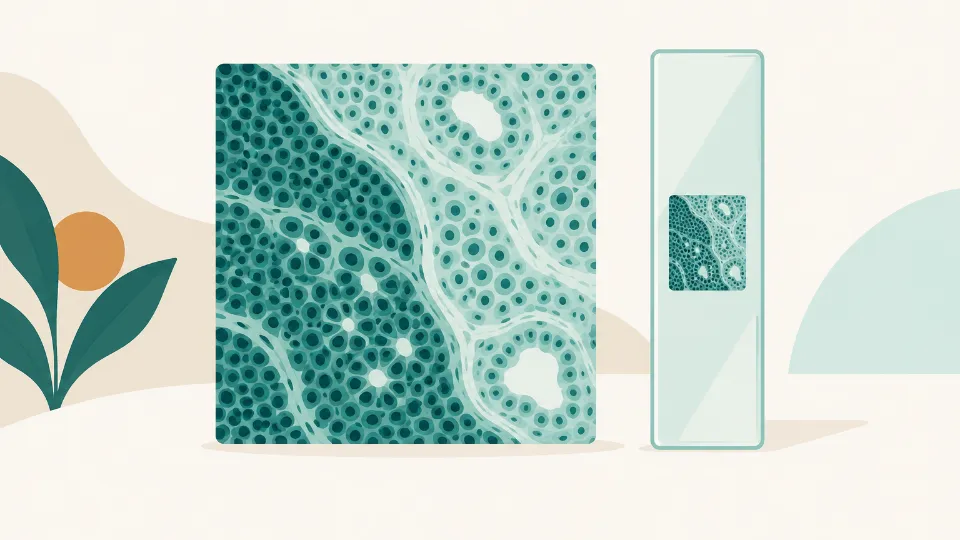
Reading a pathology report: which parts matter most
An explanation of the main parts of a pathology report and what to ask the doctor about them.
Prepared and published by TanyaKanker
For: Patients and families who have just received a pathology report

Medical review status
30-second answer
The key point
An explanation of the main parts of a pathology report and what to ask the doctor about them.
This is an educational summary, not a diagnosis or final treatment recommendation.
Basic information
Start by checking patient identity, sample date, sample site, and procedure type. These facts anchor the rest of the report.
If several reports exist, the newest or most representative sample may be the one used for treatment planning.
Tumor type and histology
The histology tells what cancer cells look like under the microscope and often determines the first treatment categories discussed.
For some cancers, subtype wording is critical and should be clarified if it is not explicit.
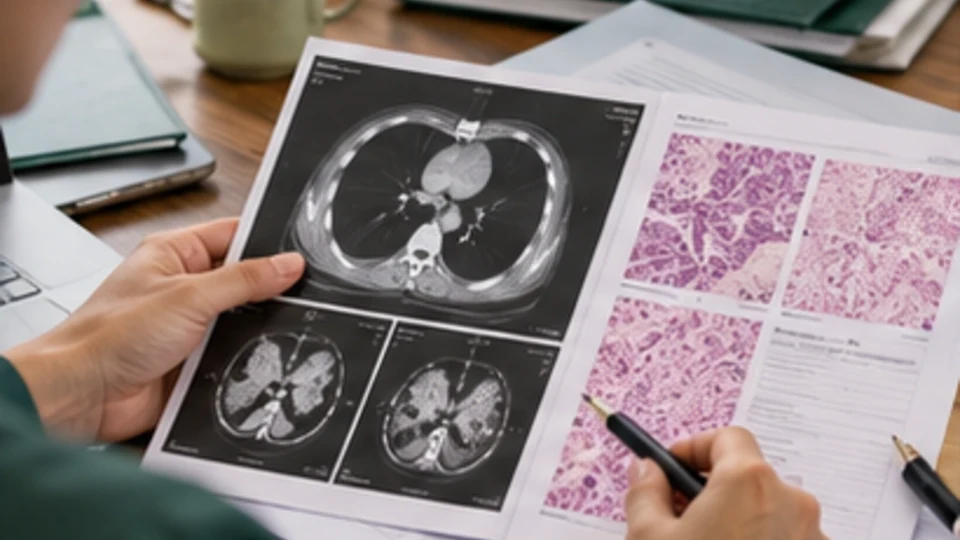
Penjelasan visual
Make the report easy for any reviewer to read
Well-ordered records save review time and usually produce more specific answers.
This diagram explains the sequence of assessment and discussion. It is not treatment advice or an eligibility decision.
Separate records by type
Pathology, molecular testing, imaging, laboratory results, and discharge summaries.
Check the conclusion pages
Without a conclusion, raw reports are difficult to assess.
Mark each test date
The date sequence shows how the disease has changed.
Order previous treatment lines
Record regimen names, start and stop dates, and reasons for stopping.
Keep them in one file
Include a list of the records you actually hold.
An easy-to-read report makes the answer more specific.
Grade and markers
Grade and marker results add information about tumor behavior and treatment categories, but they do not decide a regimen on their own.
Ask what method was used for each marker and whether additional molecular testing is needed.
What to ask
Bring the report to the treating doctor and ask what each unclear field means for the next decision.
- What is the exact diagnosis and subtype?
- Is the sample enough for all needed tests?
- Which biomarker results are already available?
- Which additional tests are still needed before deciding the plan?

Langkah berikutnya
If you have medical reports, build a case summary so your documents and questions are organised before consultation.