Treatments
Cancer treatments - what kind of treatment is this?
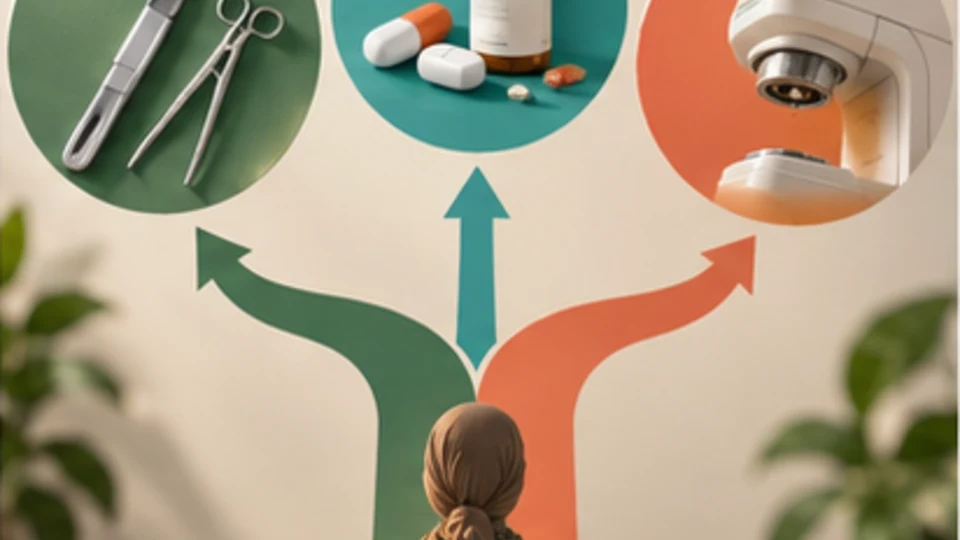
Every treatment belongs to a family with its own logic: surgery, drugs, radiation, cells or supportive care. Find the one on your report.

Core treatment
The three pillars most often part of a treatment plan.
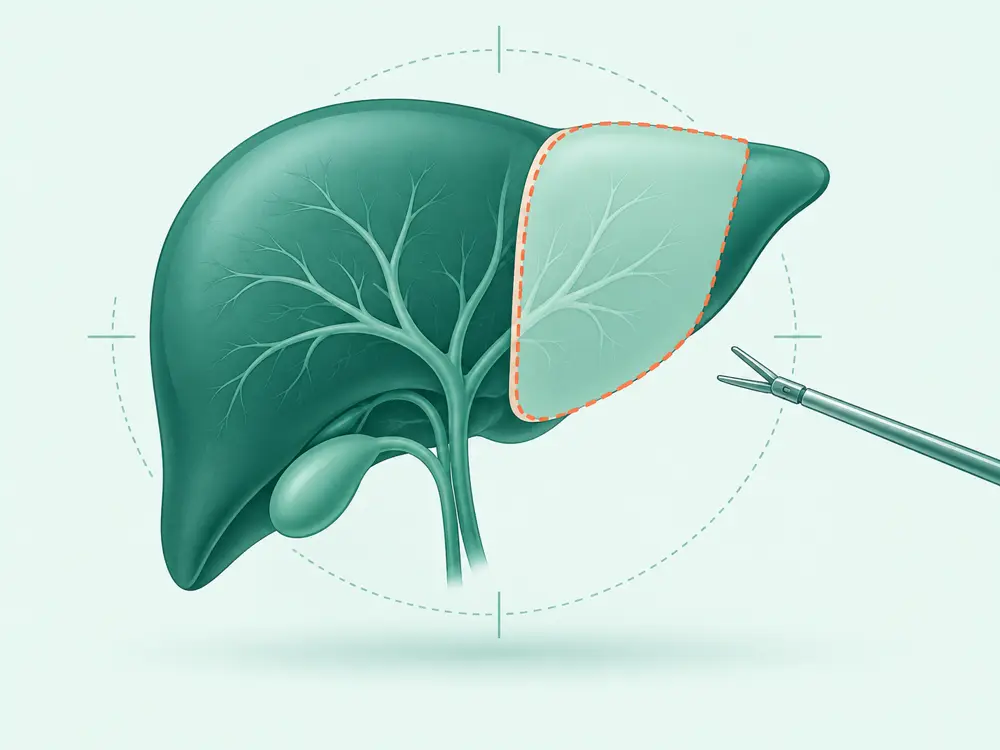 SurgeryWhen discussed: Generally considered at a stage that can still be removed.. Good to know: The surgeon removes the tumor tissue with a margin of surrounding healthy tissue, and the results are examined by pathology to assess the incision margins and lymph nodes.
Surgery (oncologic surgery)
Removal of a tumour through surgery, often part of a plan intended to cure early-stage solid cancers.
Learn more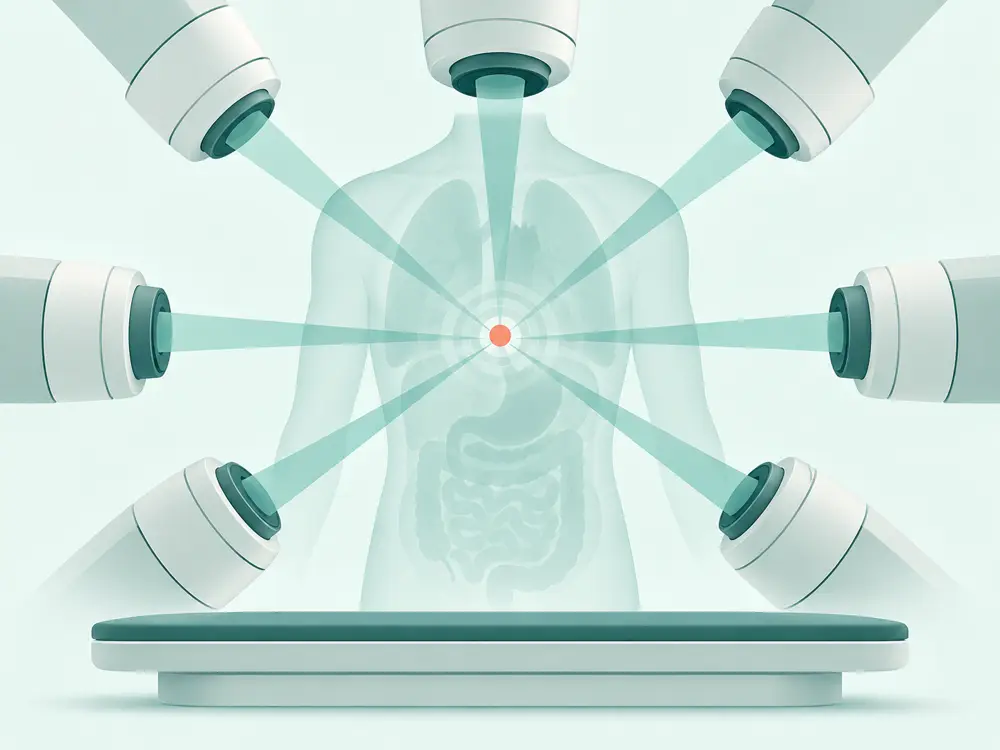 RadiotherapyWhen discussed: Can be at almost any point on the treatment pathway, depending on the goals and location of the disease.. Good to know: The radiation beam is directed at the target area in a scheduled number of sessions.
Radiotherapy
Use of directed radiation to kill or control cancer cells in a specific area.
Learn more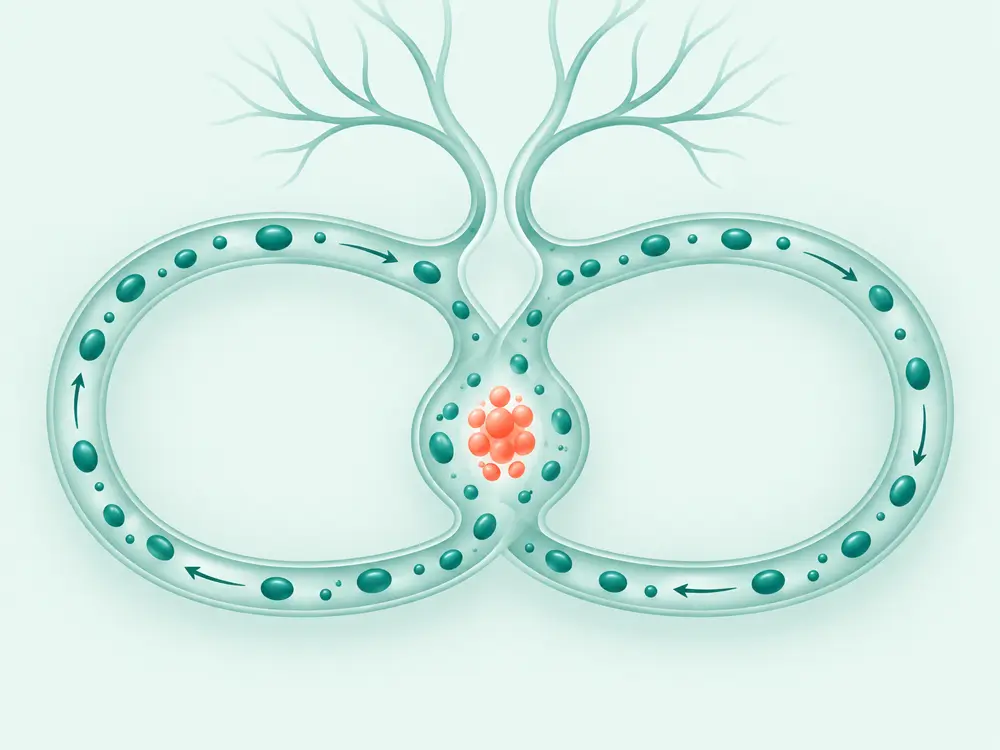 ChemotherapyWhen discussed: Can be main therapy, precursor therapy before surgery, therapy after surgery, or palliative therapy.. Good to know: The drug enters the bloodstream and affects cells that are dividing, including cancer cells and some normal cells that change quickly.
Chemotherapy
Systemic cytotoxic drugs that act on rapidly dividing cells, given in scheduled cycles.
Learn more
Precision systemic therapy
Drugs aimed at specific molecular changes, or at activating the immune system against tumour cells.
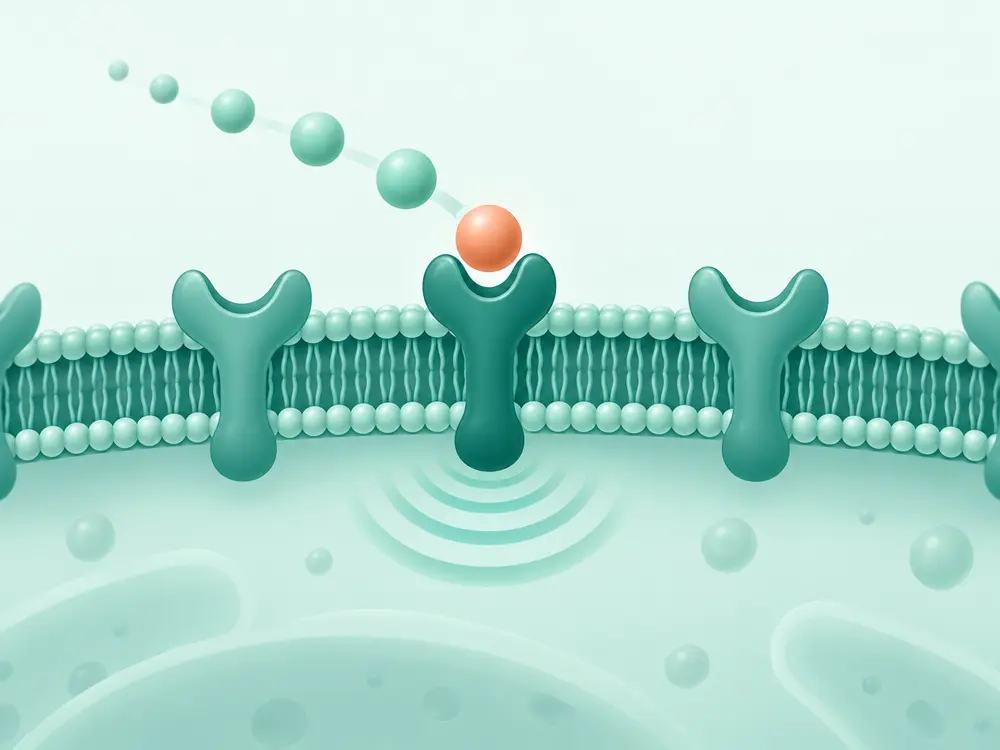 Targeted therapyAdvancedWhen discussed: Generally considered when actionable markers are found, often in advanced or relapsing disease.. Good to know: The drugs inhibit specific signaling pathways that drive cancer cell growth, rather than attacking all rapidly dividing cells.
Targeted therapy
Drugs that act on a specific molecular marker in cancer cells, selected based on biomarker test results.
Learn more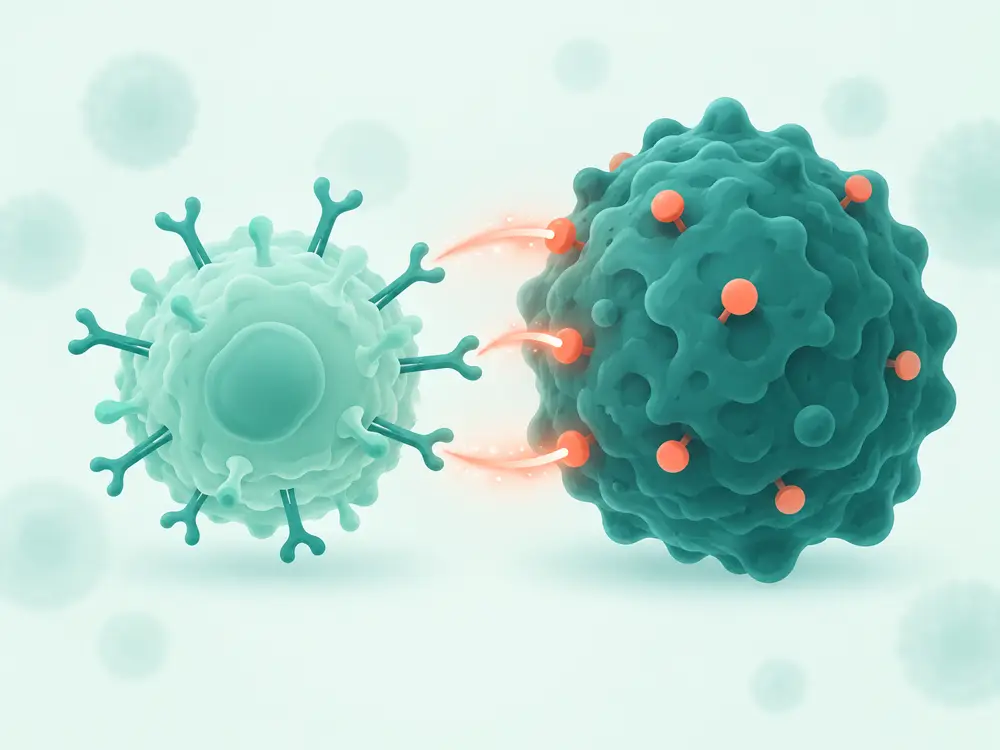 ImmunotherapyAdvancedWhen discussed: Can be first-line therapy in certain groups, therapy after other therapies, or in combination with chemotherapy.. Good to know: Antibodies inhibit signals that suppress the immune system so that T cells become more active against cancer cells.
Immunotherapy
Treatment that helps the immune system recognise and attack cancer cells, usually through immune checkpoint inhibitors.
Learn more
Precision radiation
Radiation aimed at a defined target, from single high doses to radionuclides.
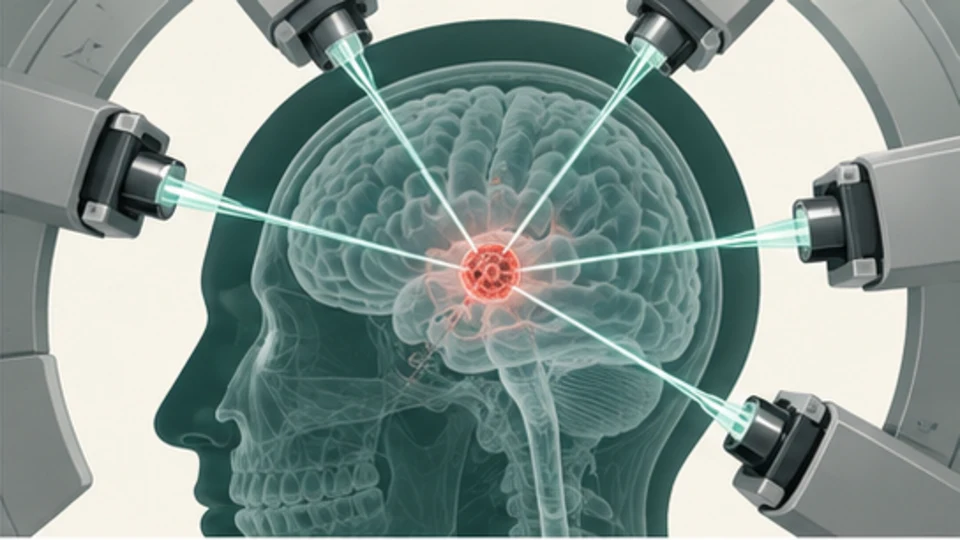 RadiotherapyAdvancedWhen discussed: Often discussed in limited disease or a small number of lesions, including disease that has spread but is limited (oligometastatic).. Good to know: Precision imaging and an immobilization system are used to confirm the target position, then radiation is administered in high doses over several sessions.
SBRT (stereotactic radiotherapy)
Highly targeted high-dose radiotherapy delivered in a small number of sessions to a small, clear target.
Learn more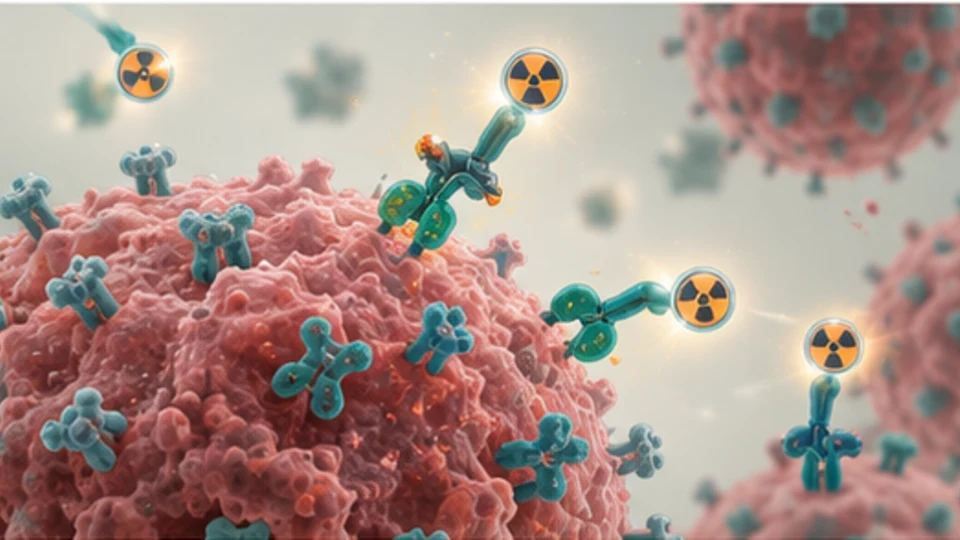 RadionuclideAdvancedWhen discussed: Generally discussed in advanced disease after other therapies, or within the framework of clinical trials.. Good to know: The carrier molecules attach to targets on cancer cells and deliver localized radiation over a short distance.
Radionuclide therapy (radioligand therapy)
Drugs that carry radiation to a specific target on cancer cells through a binding molecule.
Learn more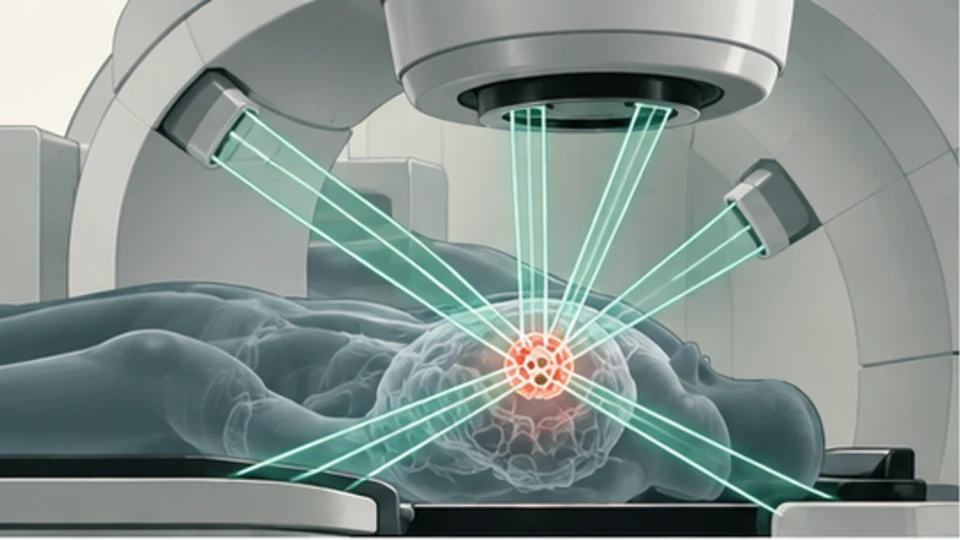 RadiotherapyAdvancedWhen discussed: Discussed in limited brain lesions, both as the main therapy for these lesions and as an adjunct after other therapies.. Good to know: High resolution imaging and an immobilization system are used to map the target, then several radiation beams are directed to meet the target.
SRS (intracranial stereotactic radiotherapy)
High-dose, high-precision radiotherapy for lesions in the brain, usually in one or a few sessions.
Learn more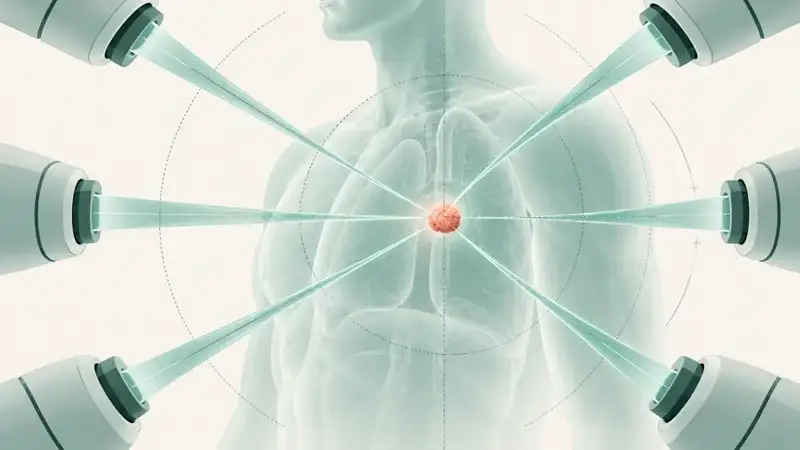 RadiotherapyAdvancedWhen discussed: Can be primary therapy for localized disease, adjunct therapy after surgery, or part of concomitant therapy with systemic drugs.. Good to know: The radiation device changes the shape and intensity of the beam from many directions so that the dose is collected on the target with a lower dose to the surrounding tissue.
Precision radiotherapy (IMRT and VMAT)
Intensity-modulated radiotherapy that shapes the dose to the tumour contour so nearby healthy tissue is better protected.
Learn more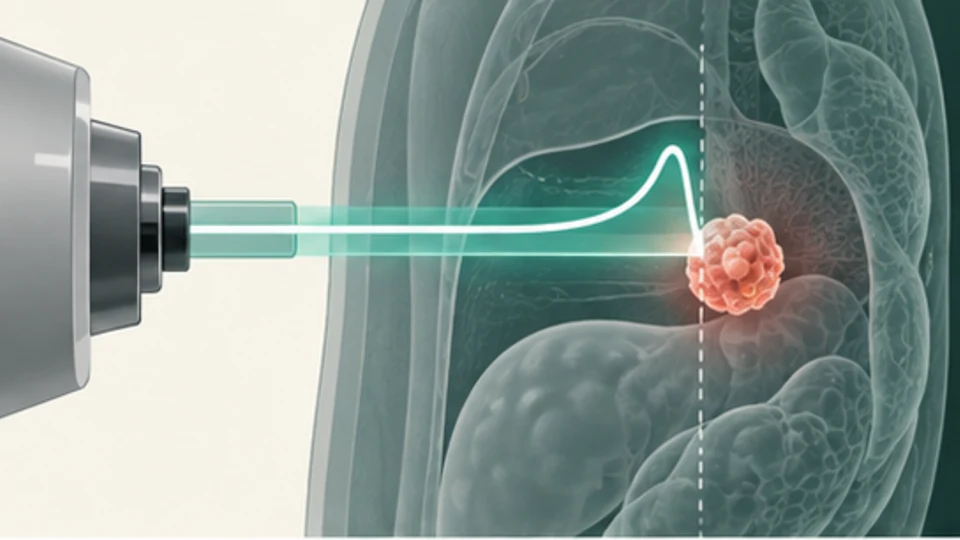 RadiotherapyAdvancedWhen discussed: Alternative radiotherapy techniques in certain situations, not an automatic replacement for all radiotherapy.. Good to know: A special accelerator produces a proton beam, and a planning system determines the depth and shape of the target.
Proton therapy
Radiotherapy using proton particles that stop their energy at the target depth, so healthy tissue beyond the target receives a very low dose.
Learn more
Cell therapy
Therapies that use living cells as the medicine.
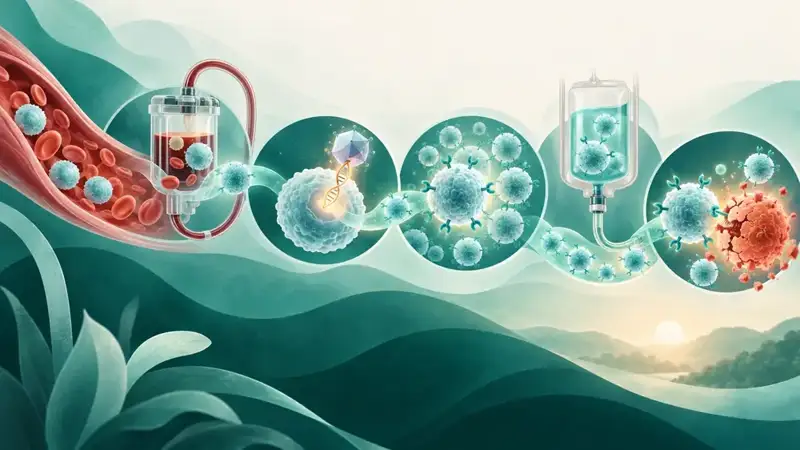 Cell therapyAdvancedWhen discussed: Commonly discussed in relapsed or refractory B-cell lymphoma or multiple myeloma after multiple lines of therapy, and in some other blood cell malignancies.. Good to know: The patient's T cells are given a special receptor (CAR) that recognizes markers on cancer cells, such as CD19 or BCMA, so that the T cells can attack those cells.
CAR-T (chimeric antigen receptor T-cell therapy)
Cellular therapy that modifies a patient's T cells so they recognise a marker on cancer cells, then returns them to the patient's body.
Learn more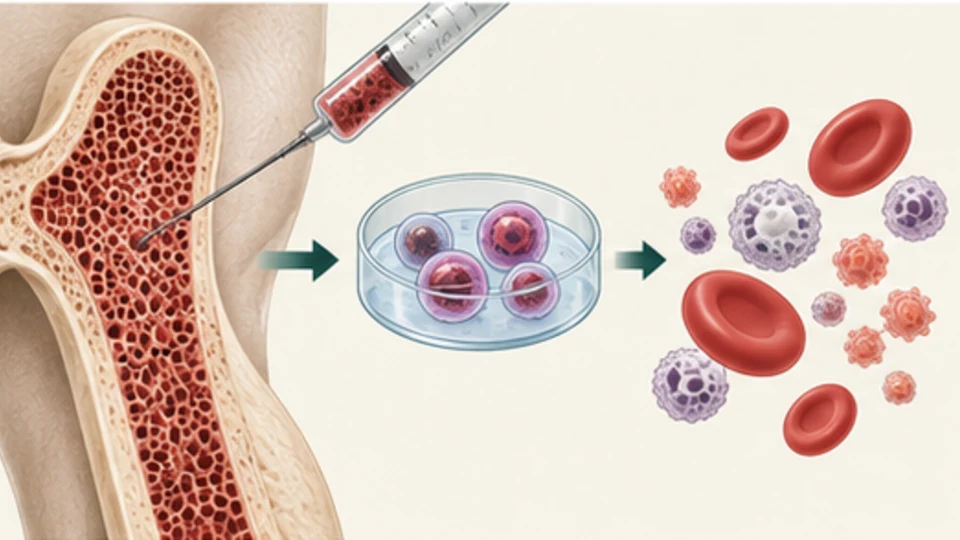 TransplantAdvancedWhen discussed: Generally considered in responsive disease with adequate risk, often after several cycles of initial therapy.. Good to know: Stem cells are collected from the blood or bone marrow, stored, and then returned after certain therapies to restore the blood system.
Stem cell transplant
Infusion of haematopoietic stem cells after high-dose therapy or as part of recovery, to restore blood production.
Learn more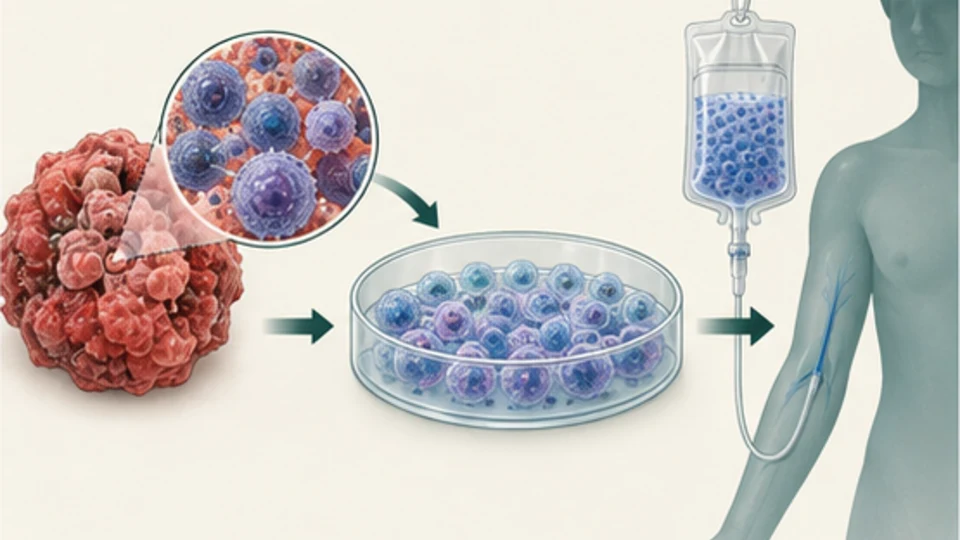 Cell therapyAdvancedWhen discussed: Generally only through clinical trials or special programs, usually after standard therapy no longer produces results.. Good to know: Lymphocytes taken from tumor tissue are multiplied in the laboratory and activated, then returned to the patient to attack tumor cells.
TIL (tumour-infiltrating lymphocyte therapy)
Cellular therapy that expands lymphocytes already present inside the patient's tumour, then returns them after preparatory therapy.
Learn more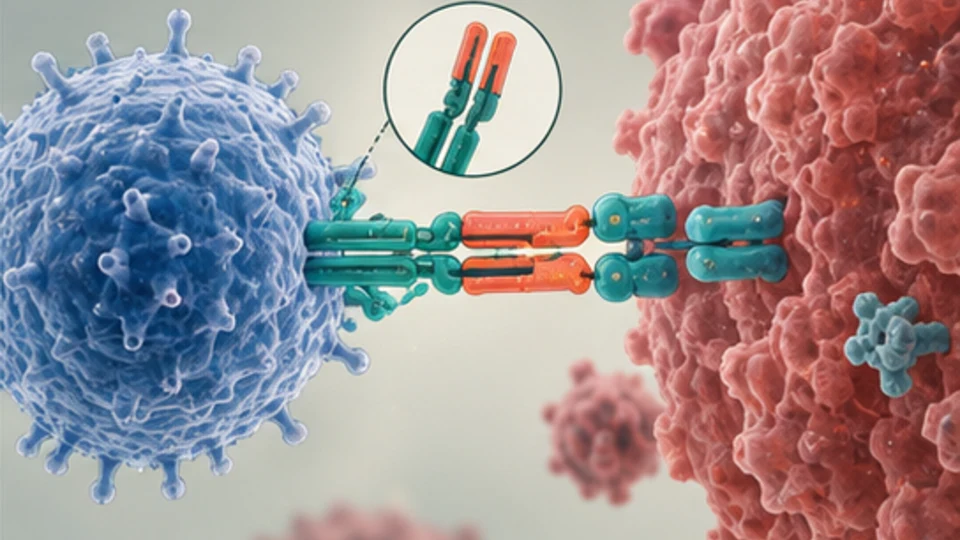 Cell therapyAdvancedWhen discussed: Generally only through clinical trials, in diseases that have undergone standard therapy.. Good to know: The patient's T cells are modified to carry receptors that recognize specific targets, expanded, then reinfused after preparatory therapy.
TCR-T (engineered T-cell receptor therapy)
Cellular therapy that gives a patient's T cells a special receptor so they can recognise fragments of tumour protein on the cell surface.
Learn more
Minimally invasive procedures
Tumour-directed procedures without major surgery, usually through a vessel or the skin.
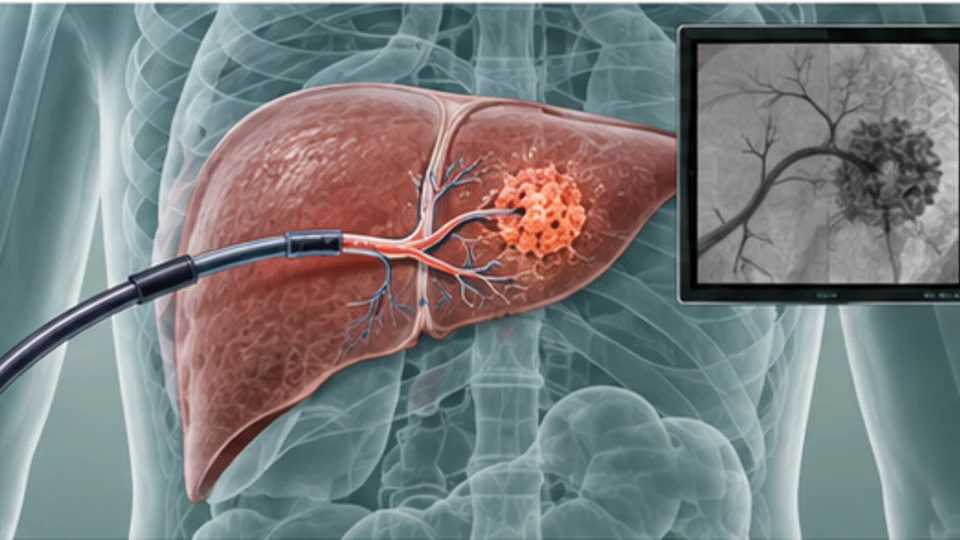 InterventionAdvancedWhen discussed: Across all pathways: assisting in diagnosis, providing local therapy for specific lesions, or managing complications.. Good to know: Devices such as needles, catheters, or probes are inserted under ultrasound, CT, or fluoroscopy guidance according to the target location.
Oncology intervention (interventional radiology)
Minimally invasive image-guided procedures for diagnosis, local therapy, or complication management.
Learn more
Supportive care
Protecting quality of life during and after treatment.
 InterventionWhen discussed: Can start at any point from diagnosis.. Good to know: The multidisciplinary team manages symptoms through medication, therapy, nutritional support, and psychological and social assistance.
Supportive and palliative care
Management of symptoms, pain, and daily needs alongside cancer treatment.
Learn more
Stories that change the conversation
Featured
Radiotherapy is not one single thing
From external beams to SBRT and radionuclides: know the difference before you ask your doctor.
Featured
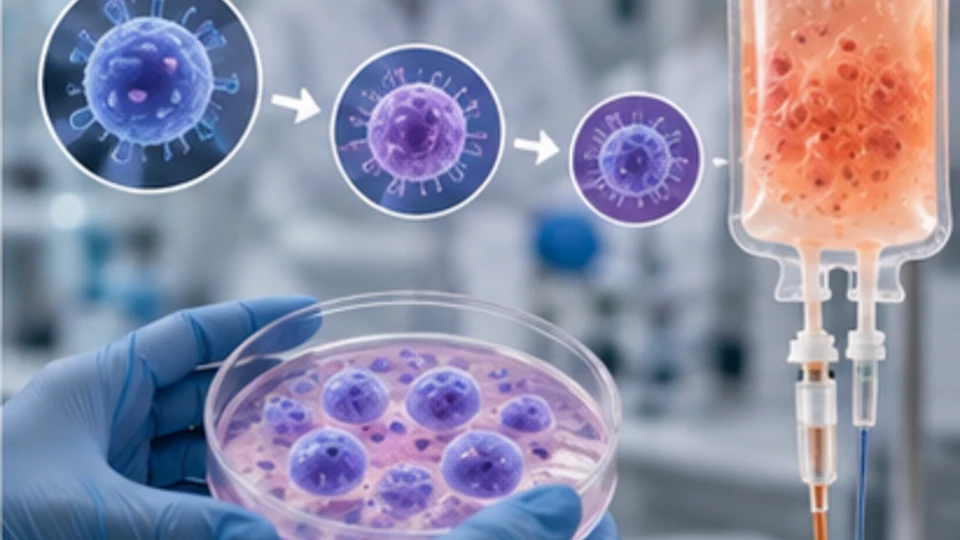
CAR-T: why this therapy is different
The patient's own immune cells, reprogrammed to recognise the tumour. Follow the journey from collection to monitoring.
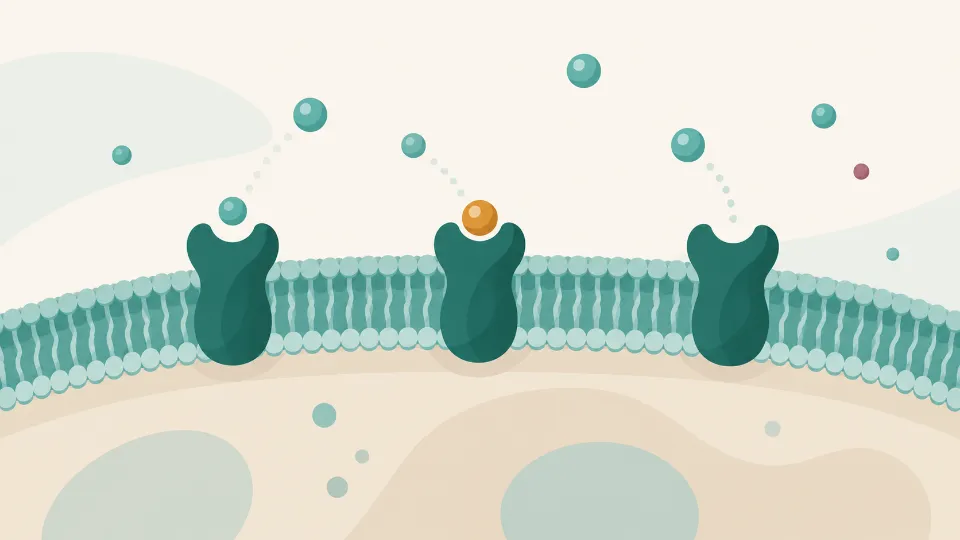
Featured
Standard vs investigational therapy
The difference lives in the evidence and the access route, not in hope. Trials are the route for therapies still under study.
The exact subtype name matters.
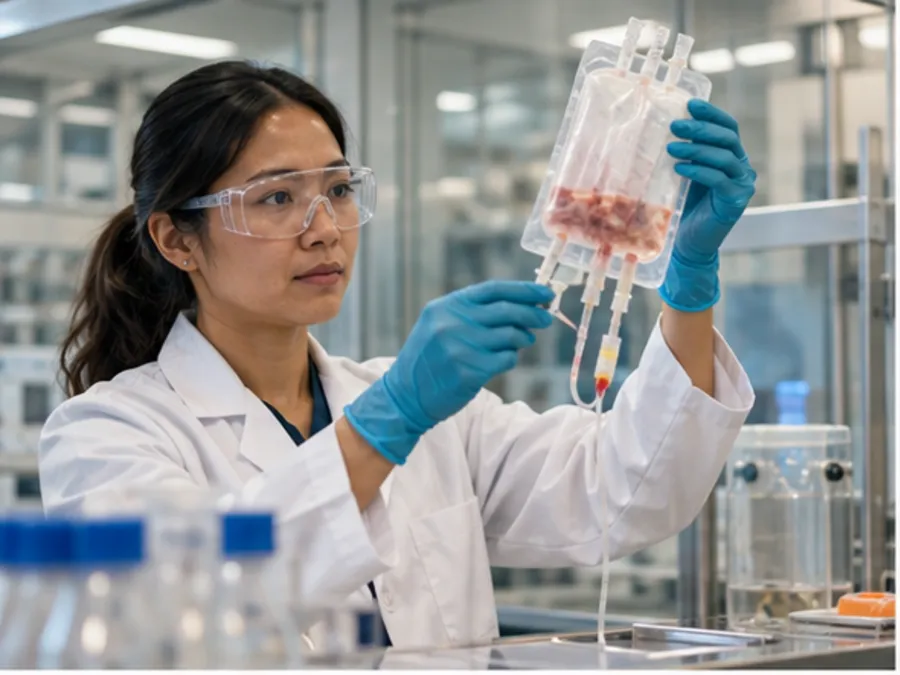
Guide
Relapsed DLBCL: when CAR-T starts being discussed
After DLBCL relapse, teams may discuss salvage therapy, autologous transplant, and in selected situations anti-CD19 CAR-T. Suitability is determined by the medical team.
9 min read
Read the guideBefore you talk to your doctor
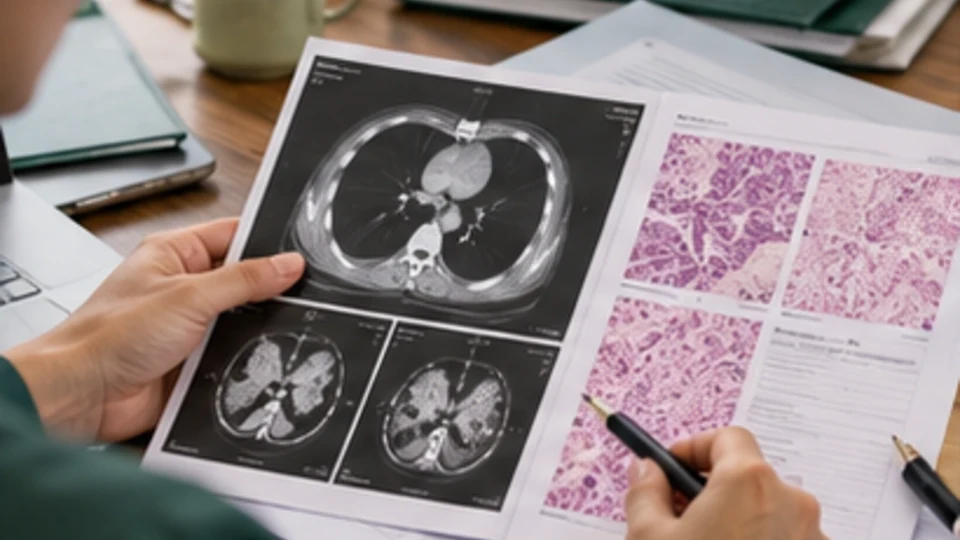
Preparing medical records for a second opinion or clinical trial
A checklist of documents commonly needed, how to name files, and what to check before records are sent.

Questions to bring to the oncology appointment
A set of questions to bring to consultation so time is spent on the points that matter most.
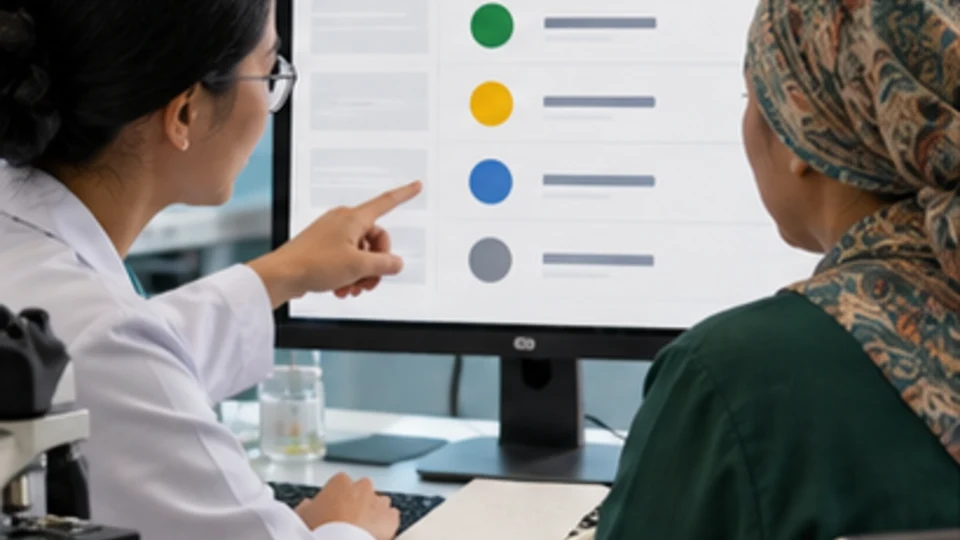
Understanding clinical trials: terms, phases, and how to check early fit
A basic explanation of clinical trial phases, recruitment status, and why a recruiting registry record does not mean an international patient can automatically join.
Cancer treatment costs and financing: how to frame the questions
A framework for asking facilities about costs without relying on numbers that cannot be verified.
Not sure which of these is on your report?
Upload your report and a human navigator will structure it with you, so the right questions reach the right people.
Upload reports
Photos or PDFs of pathology, biomarkers, imaging and treatment history.
Case structured
Documents are turned into a structured case summary.
Navigator review
A human navigator checks completeness before anything is shared.
Provider review
With your consent, the case is discussed with providers for assessment and a written quote.
Not a diagnosis and not final medical advice. Must be reviewed by a doctor.