Advanced treatment
Proton therapy
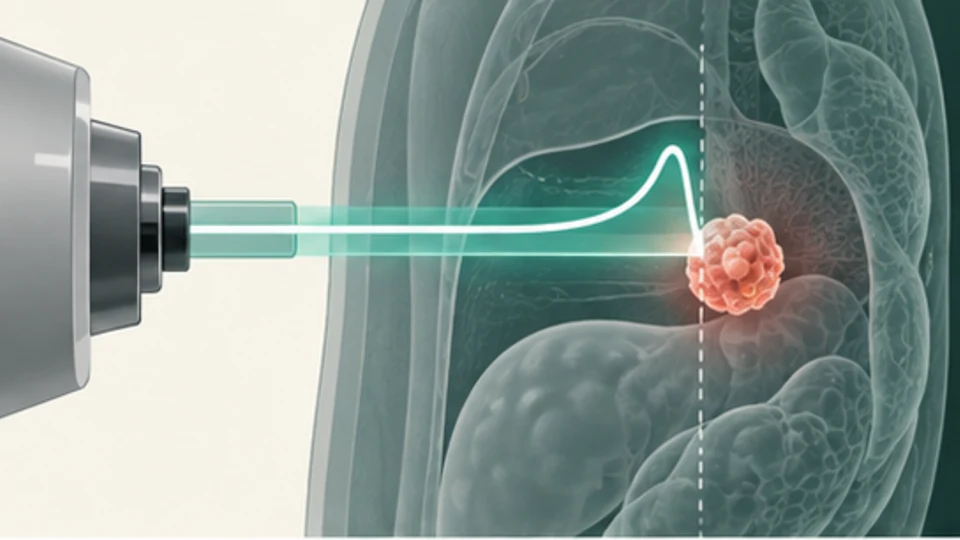
Radiotherapy using proton particles that stop at the target depth, so healthy tissue beyond the target receives very little dose.
Not a diagnosis and not final medical advice. Must be reviewed by a doctor.
What is it?
Proton therapy uses a proton beam with different dose properties than photons: the main energy is released at a certain depth.
This approach is mainly discussed in tumors adjacent to very sensitive organs, for example in children, skull base tumors, and some eye tumors.
The availability of proton facilities is limited so assessing the benefits and logistics is part of the consideration.
A special accelerator produces a proton beam, and a planning system determines the depth and shape of the target.
How it works
A special accelerator produces a proton beam, and a planning system determines the depth and shape of the target.
Position in the treatment pathway: Alternative radiotherapy techniques in certain situations, not an automatic replacement for all radiotherapy.
Which cancers is it usually discussed for?
Brain Cancer
Brain tumours cover many types with different behaviour, and molecular markers such as MGMT status affect how treatment is discussed.
Open cancer page
Lung Cancer
Lung cancer is divided into non-small-cell and small-cell groups, and molecular markers strongly shape which treatment options are discussed.
Open cancer page
Usually considered
- Tumors that are very close to vital organs that need to be protected.
- Pediatric patients who need tissue protection for growth and development.
- Targets that require definitive dosing with low local tissue tolerance.
Usually not a candidate
- The disease is so widespread that the targets are unlimited.
- Situations where the results are expected to be equivalent to photon techniques without additional advantages.
What is the process like?
Preparation 1
Evaluation of indications by a multidisciplinary team.
Preparation 2
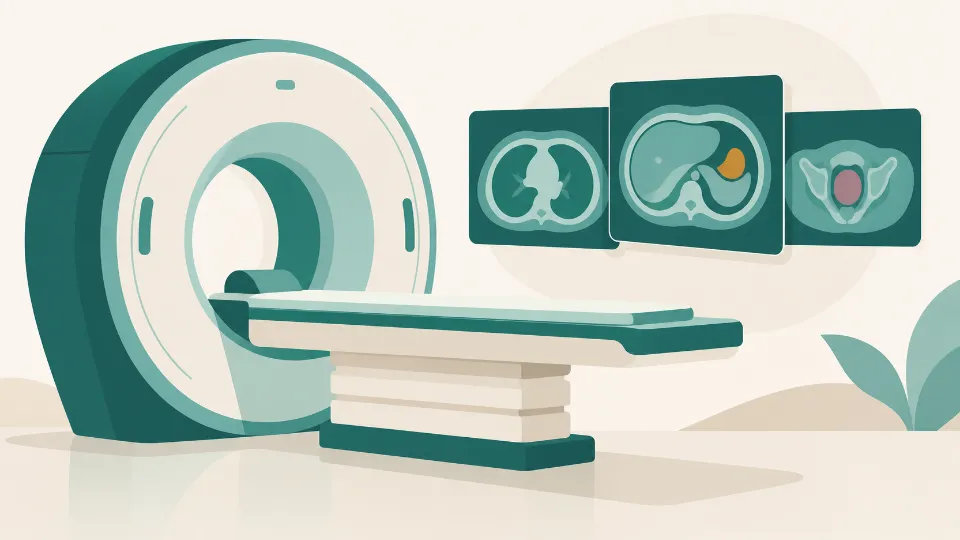
Planning imaging.
Preparation 3
Discussion of logistics and costs.
Monitoring
Periodic evaluation during sessions.
All preparation
- Evaluation of indications by a multidisciplinary team.
- Planning imaging.
- Discussion of logistics and costs.
All monitoring
- Periodic evaluation during sessions.
- Follow-up imaging to assess response.
Risks and points to watch
Side-effect notes, not a complete list
- The pattern of side effects is similar to other radiotherapies but with a different dose distribution.
- Long-term effects need monitoring because some of them appear after a long time.
What needs to be checked?
Cost and access
Cost figures depend heavily on location, facility and payer. We do not show estimated figures on this page; what can be prepared first are the questions.
Providers and clinical trials
Access status not yet verified
NO DATA
No studies in the latest registry data mention this treatment category in their description.
Questions for the doctor
- Are there any advantages that can be expected over photon radiotherapy in this case?
- Are there relevant proton facilities and what is the referral flow?
- How do the costs and time required compare?
Sources
- NCI Dictionary of Cancer Terms(lembaga)
Is Proton therapy relevant for my case?
Ask for an initial review. We will explain which documents and markers need to be completed before discussion with a doctor.
Upload reports
Photos or PDFs of pathology, biomarkers, imaging and treatment history.
Case structured
Documents are turned into a structured case summary.
Navigator review
A human navigator checks completeness before anything is shared.
Provider review
With your consent, the case is discussed with providers for assessment and a written quote.
Is Proton therapy relevant for my case?
Ask for an initial review. We will explain which documents and markers need to be completed before discussion with a doctor.
After submission, a human navigator reviews your request and contacts you through your chosen channel. The WhatsApp message already includes this page context, so you do not need to explain from the beginning.
Clinical data is not requested in the form and is not sent to analytics. Do not send medical reports through WhatsApp or email; use the secure upload page. We do not promise eligibility or any treatment outcome.

Next steps
These suggestions come from links between entries in TanyaKanker's database, not from a medical judgement. Each suggestion includes why it appears.
To check
- CT scan
Diagnostic test
Reason: Memerlukan pemeriksaan
- MRI
Diagnostic test
Reason: Memerlukan pemeriksaan
- PET-CT
Diagnostic test
Reason: Memerlukan pemeriksaan
- Check medical report completeness
Tool
Reason: Prepare documents that still need confirmation
- Prepare questions for your doctor
Tool
Reason: Bring clear questions to the next conversation
What you can do
- Upload medical reports
Build a case summary in twelve steps
Reason: Often the most useful next step after reading this page
- Request a second opinion
Review of the treatment plan
Reason: Relevant when a treatment plan is being considered
- Consult a navigator
A request is recorded with this page context
Reason: For asking the next step directly
Recently updated
- Leukemia
Cancer page
Date: Data revision 2026-09-10
- Brain Cancer
Cancer page
Date: Data revision 2026-09-10
- Pancreatic Cancer
Cancer page
Date: Data revision 2026-09-10
- Testing Osimertinib as a Treatment for Lung Cancers With an EGFR Exon 20 Change
NCT03191149 - Phase 2
Date: Registry update in the last 30 days (2026-10-15)
Want to follow changes on this topic? Save the page or follow the topic so it is easy to find again. View saved items.
Prepare for your next consultation
Use the free six-question tool to prepare questions for your doctor.