Relapsed DLBCL: when CAR-T starts being discussed
After DLBCL relapse, teams may discuss salvage therapy, autologous transplant, and in selected situations anti-CD19 CAR-T. Suitability is determined by the medical team.
Prepared and published by TanyaKanker
For: People with relapsed or refractory DLBCL lymphoma and their families
Ask about advanced therapy
Understand which documents and markers should be discussed with a doctor.
After submission, a human navigator reviews your request and contacts you through your chosen channel. The WhatsApp message already includes this page context, so you do not need to explain from the beginning.
Clinical data is not requested in the form and is not sent to analytics. Do not send medical reports through WhatsApp or email; use the secure upload page. We do not promise eligibility or any treatment outcome.
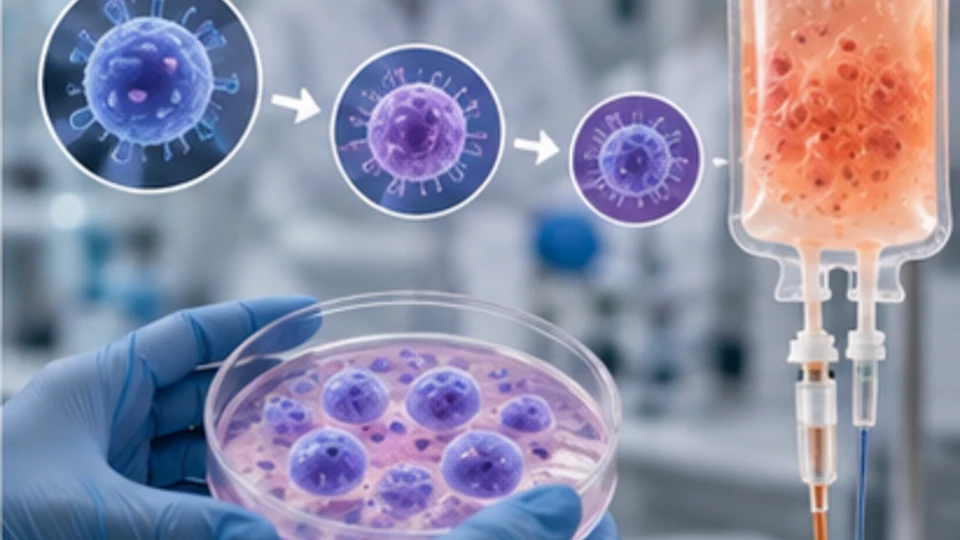
Medical review status
30-second answer
The key point
After DLBCL relapse, teams may discuss salvage therapy, autologous transplant, and in selected situations anti-CD19 CAR-T. Suitability is determined by the medical team.
This is an educational summary, not a diagnosis or final treatment recommendation.
What relapse or refractory disease means
Relapse means lymphoma has returned after remission. Refractory disease means it did not shrink enough or continued to grow during treatment.
These situations change the treatment discussion: goals, options, and order are reviewed again by the hematology-oncology team.
CAR-T may enter discussion in defined relapsed or refractory settings, but suitability cannot be promised in advance.
Pathways usually discussed after DLBCL relapse
There is no single pathway for all patients. Common discussions include salvage chemotherapy, autologous stem-cell transplant for responsive and fit patients, and CAR-T in specific settings.
Timing of relapse matters, because very early relapse or refractory disease can lead to different discussions than relapse years later.
- Salvage chemotherapy: assesses whether the disease remains drug-responsive.
- Autologous stem-cell transplant: usually for patients who respond and whose condition allows it.
- Anti-CD19 CAR-T: considered in certain relapsed or refractory settings at centers with the program and experience.
What CD19 CAR-T therapy is
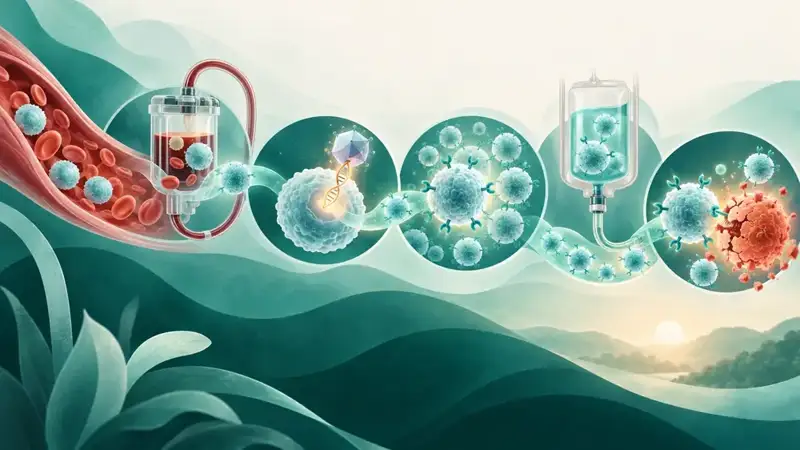
CAR-T is cellular therapy: the patient's T cells are collected, modified in a laboratory to recognize CD19 on lymphoma cells, and returned as an infusion.
Side effects requiring close monitoring include cytokine release syndrome and temporary neurologic toxicity, so treatment is given in centers prepared to monitor and manage them.
Penjelasan visual
The CAR-T journey for relapsed lymphoma
The assessment sequence usually completed before CAR-T is discussed as an option.
This diagram explains the sequence of assessment and discussion. It is not treatment advice or an eligibility decision.
Lymphoma relapses or does not respond
Confirmed through assessment, not symptoms alone.
CD19 testing
Shows whether this cellular-therapy target is relevant to the case.
CAR-T discussion
Including how cells are collected, processed, and returned.
Document review
Subtype, previous treatment lines, and organ function are also assessed.
Facility assessment
The facility evaluates readiness and treatment-place availability.
Shared decision
Benefits, risks, and costs are discussed before treatment proceeds.
When disease relapses, what changes is what needs to be assessed and discussed.
When CAR-T is discussed and who decides
CAR-T is usually discussed when DLBCL is relapsed or refractory after two or more systemic therapy lines, or earlier in some situations according to the medical team's assessment.
The CAR-T program's medical team assesses diagnosis, markers, disease pace, organ function, performance status, active infection, and readiness for close monitoring.
Documents and tests usually requested
Complete records speed the first review for a second opinion, CAR-T program, or clinical trial exploration.
- Pathology report confirming DLBCL and markers such as CD20 and CD19.
- Full prior-treatment history: regimen, cycle count, best response, and reason for stopping.
- Most recent imaging, often PET-CT, with report and date.
- Recent laboratory results including blood counts, liver-kidney function, LDH, and infection markers when requested.
- Cardiac assessment and performance status notes when available.
Access, trials, and cost context
Anti-CD19 CAR-T products have approvals in several countries, and some centers in China run care programs and clinical trials for relapsed or refractory patients. Approval status, international acceptance, and queues differ by center and change over time.
CAR-T is among the highest-cost cancer treatments. Costs may include the cell product, admission and monitoring, side-effect management, and international-patient administration. Ask for a written component breakdown.
Questions for the doctor and the value of second opinion
For a decision this large, a second opinion from a center with CAR-T or transplant experience is often a reasonable step.
- Is my condition relapsed or refractory, and what is the basis?
- Which pathways are available to me: salvage therapy, transplant, CAR-T, or trial?
- If CAR-T is discussed: at which center, with which product, and under what review criteria?
- Which documents are needed so the first review is not delayed?
- What is the written cost breakdown and what is excluded?
Frequently asked questions
Short answers to common questions about DLBCL relapse and CAR-T discussion.
When is CAR-T discussed for DLBCL?
Usually after relapsed or refractory disease after two or more systemic therapy lines, or earlier in selected cases by medical assessment.
What is the difference between relapsed and refractory?
Relapsed means lymphoma returned after remission; refractory means it did not shrink enough or kept growing during treatment.
What pathways are discussed after relapse?
Salvage chemotherapy, autologous transplant for responsive and fit patients, and anti-CD19 CAR-T in specific settings.
Which CAR-T side effects are watched closely?
Cytokine release syndrome and temporary neurologic toxicity.
Can patients from Indonesia access CAR-T abroad?
Some approved products and China-based care or trial programs exist, but acceptance and queues must be confirmed directly.
Which documents speed first review?
Pathology confirming DLBCL and CD20/CD19, prior-treatment history, recent PET-CT, recent labs including LDH, cardiac assessment, and performance status notes.
How this service works: uploads, privacy, and limits
TanyaKanker is a preparation tool, not a medical provider. It does not diagnose, choose treatment, promise treatment results, or decide trial suitability. It helps organize records and questions so discussion with the medical team is more focused.
- After upload: the site tools organize the answers and supplied documents into a structured case summary for consultation, second opinion, or trial exploration. It is not a diagnosis and not a treatment decision.
- Documents usually needed: pathology confirming DLBCL and CD20/CD19 markers, full prior-treatment history, recent PET-CT, recent labs including LDH, and cardiac assessment if available.
- Current privacy state: draft answers are kept on the user's device as structured data, without free text and without file names. Until sign-in and consent are completed, medical files are not sent to TanyaKanker servers. After sign-in and consent, files are stored in private storage with time-limited links and are never sent to analytics.
- Human review path: this guide has not been reviewed by a doctor, as stated in its review label. Requests sent through the consultation page are read and followed up by a human, not by an automatic reply. No medical outcome or response-time guarantee is made.
- Limits: treatment decisions remain with the patient and the medical team that examines the patient directly. Therapy availability and trial acceptance must always be confirmed with the relevant facility or study team.

Langkah berikutnya
If you have medical reports, build a case summary so your documents and questions are organised before consultation.