Cancer Decision & Access Platform
Cancer. What comes next?
Organize your cancer information, see what is missing, and understand topics worth discussing with your doctor.
Start with your question
Find a relevant answer, then choose the next step.
Six questions. No account or upload. View and download your result directly.
Structured information. Sources shown. Medical decisions remain with your doctor.

Cancer Passport
What is known, what needs checking, and the next step.
- Diagnosis
- Structured
- Biomarker
- Needs review
- Clinical trial
- Public registry
Sources stay visible
Important facts carry an origin and a last-checked date.
The next step is clear
Start with a question, a report, or a clinical trial.
Doctors still decide
TanyaKanker prepares the conversation; it does not replace it.
Start with what you need
One place for the steps that feel complicated
Choose the path closest to your situation today.
 01
I was recently diagnosed
Organize the report and first questions to ask
See the route 02
I am looking for other options
Compare treatment categories and evidence
See the route 03
My treatment stopped working
Start with progression, biomarkers, and the next test
See the route 04
I am looking for a clinical trial
Search studies and understand what is actually known
See the route 05
I am considering care abroad
Review facilities, capabilities, access, and cost
See the route 06
I am helping a family member
Structure information for a more focused conversation
See the routeWhat we do
Eight things we can help you put in order
Every service ends in a document or a list of questions you can take to a doctor, never in a claim about outcomes.
 01
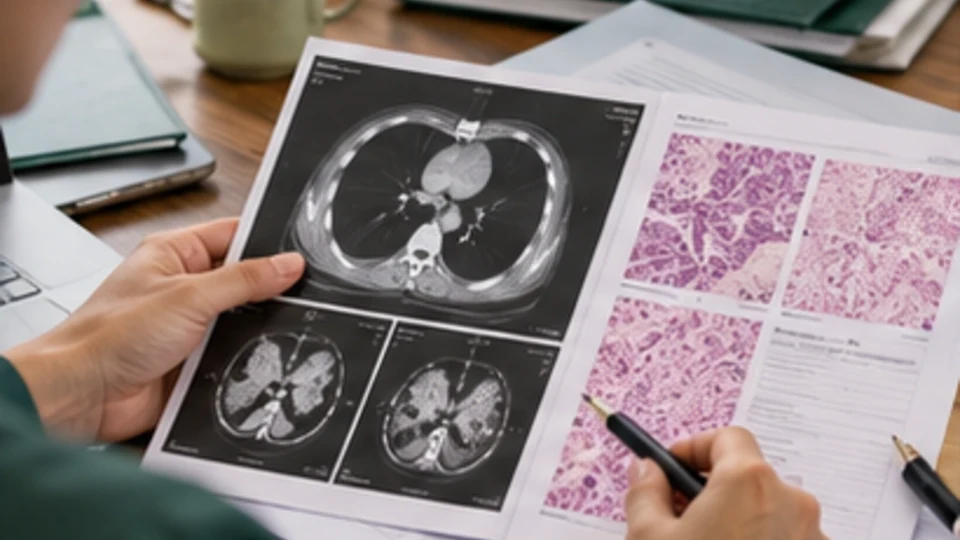
Cancer Passport
Structure your reports into a case that can be updated and reviewed.
Start Passport 02
Second opinion
The questions and documents you need in order to request a second opinion.
Read the guide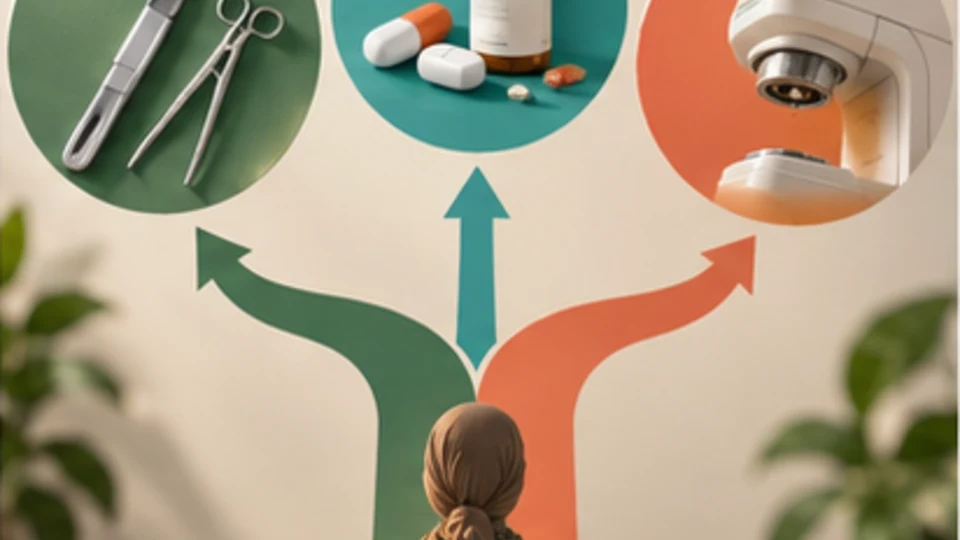 03
Treatment option guidance
Treatment categories with the evidence and the questions to ask.
See treatments 04
Hospital and doctor navigation
Facilities, their recorded capabilities, and their verification state.
Check facilitiesSee 4 more ways we can help
 05
Clinical trial access
Four separate statuses so recruiting is not misread.
Open Trial Finder 06
Cross-border coordination
Document preparation, scheduling, and follow-up after treatment.
See countries 07
Navigator support
One human point of contact for the next step.
See how it works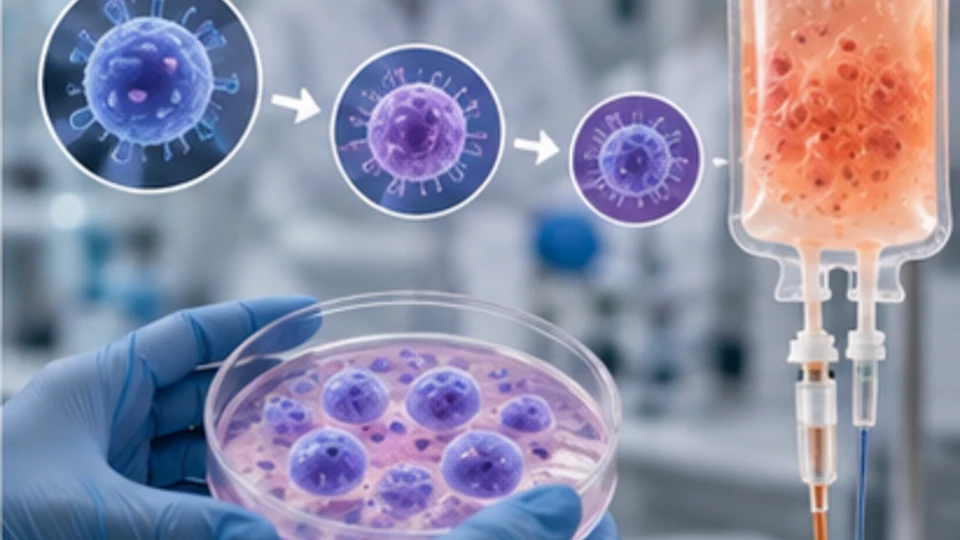 08
Advanced treatment access
Advanced therapies worth discussing with your team.
See advanced careWhy TanyaKanker
We refuse to simplify the things that are dangerous to simplify
These rules are visible across the whole site, not only on this page.
- The four trial truths are never merged
- We do not claim partnerships
- Sources are shown
See every principle and our verification process
The four trial truths are never merged
Registry status, site status, international access, and patient match are always four separate facts.
We do not claim partnerships
A facility listing is not a partnership, and every facility page states that explicitly.
Sources are shown
Every data claim carries its source and its last-checked date.
Submission requires consent
Your draft stays on your device until you sign in, give consent, and case submission succeeds.
No outcome promises
We do not promise treatment outcomes, response times, or recovery.
How we verify information
Review the scientific source
Every data claim points at its source, and the last-checked date is recorded.
Check the clinical context
We separate what is approved, what is still investigational, and what belongs only to a trial.
Present it in balance
Benefits and limitations sit side by side, with no promise about outcomes.

How TanyaKanker helps
From medical reports to clearer options
We structure your information into a pathway you can review with doctors and a navigator.
- 01Upload reports
- 02We structure the key facts
- 03Explore options and trials
- 04Prepare access with a navigator
Clinical trials
Search by cancer type, not registry language
Registry status, site status, international access, and patient match are always presented as four separate facts.
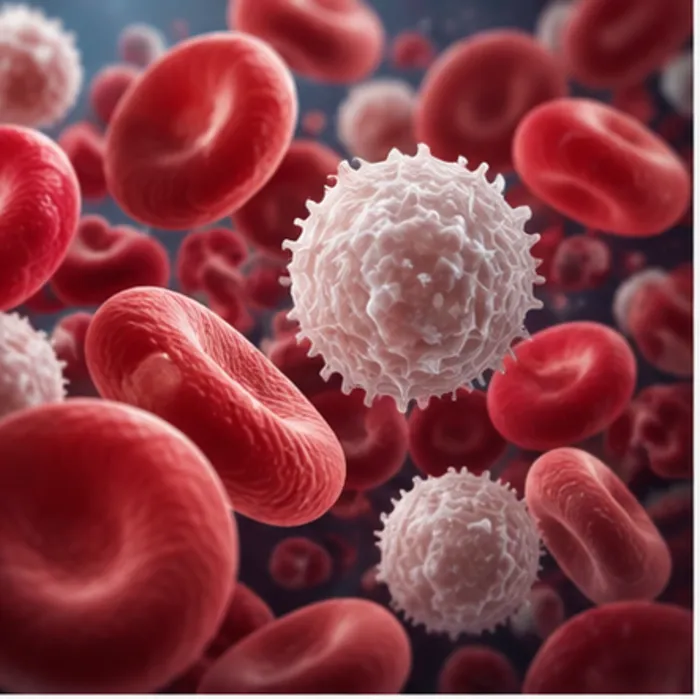 Blood cancers
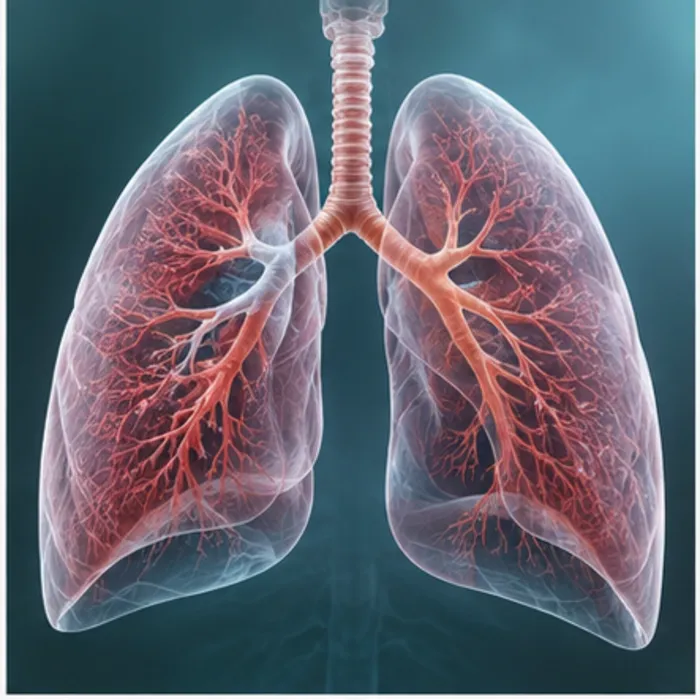 Lung cancer
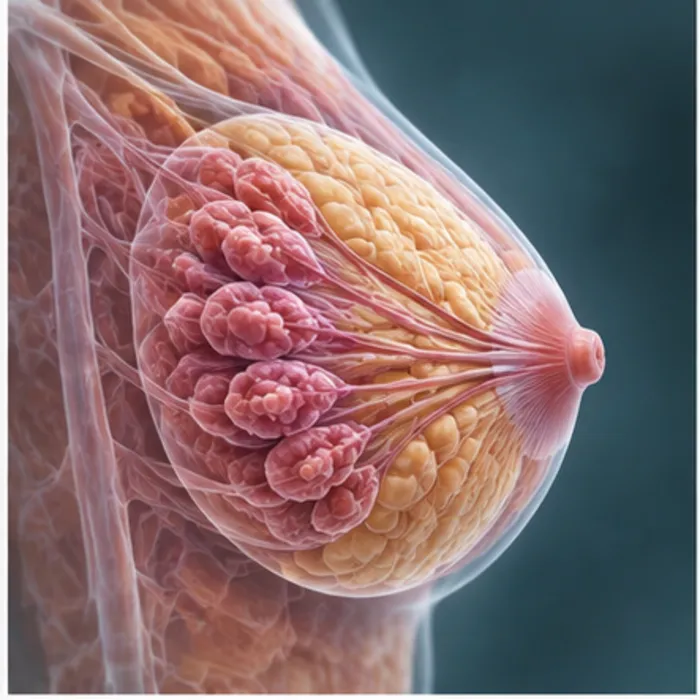 Breast cancer
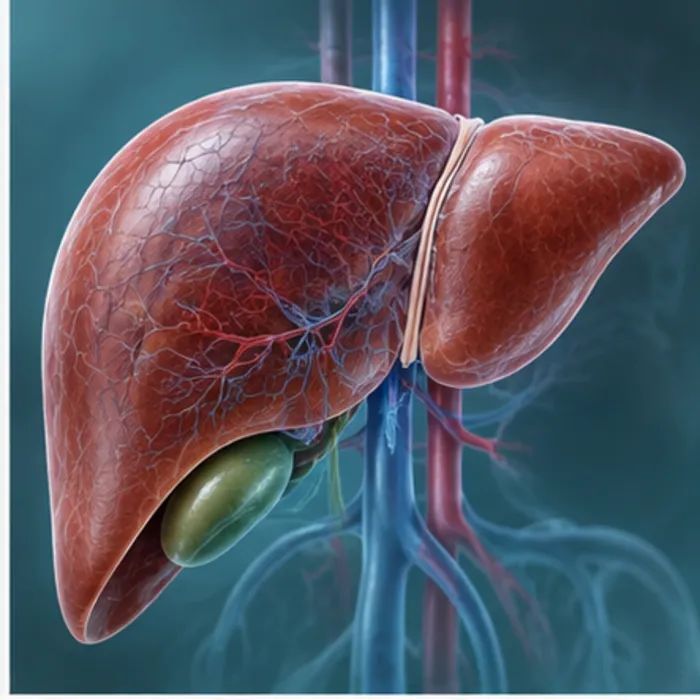 Liver cancer
 Stomach cancer
 Pancreatic cancer
 Brain cancer
 Lymphoma
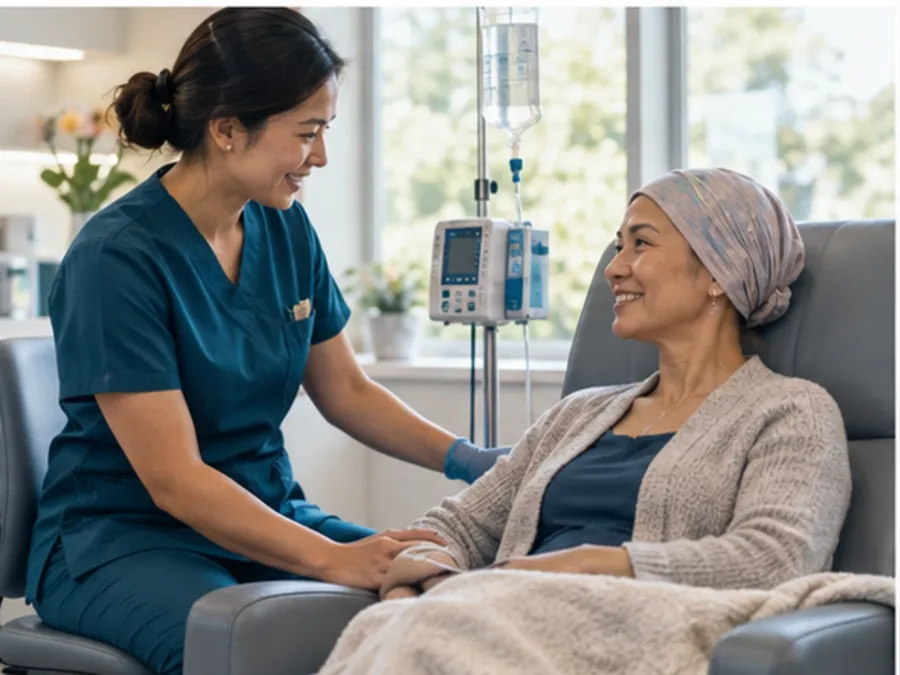
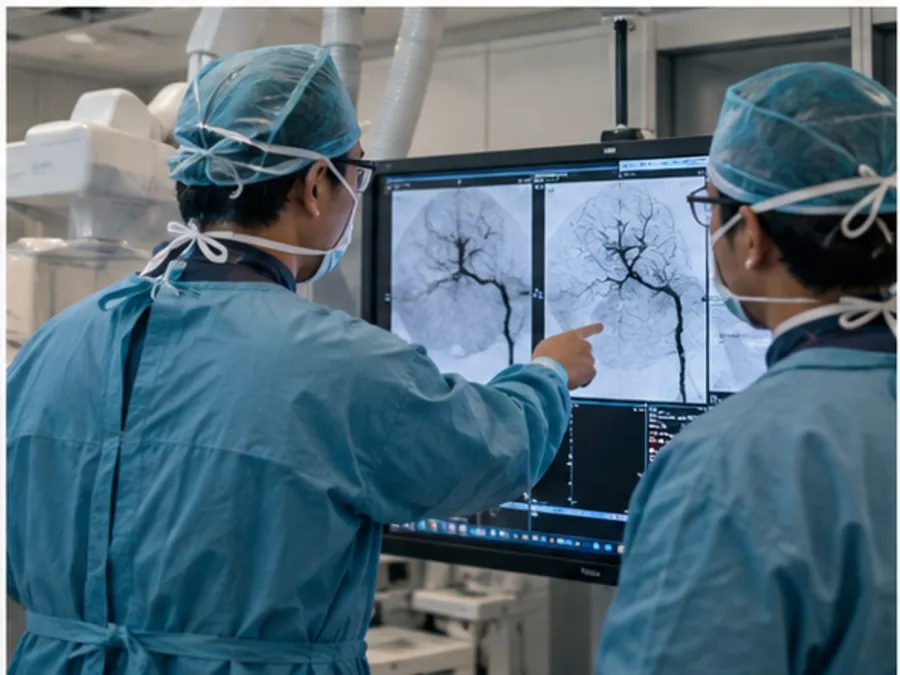
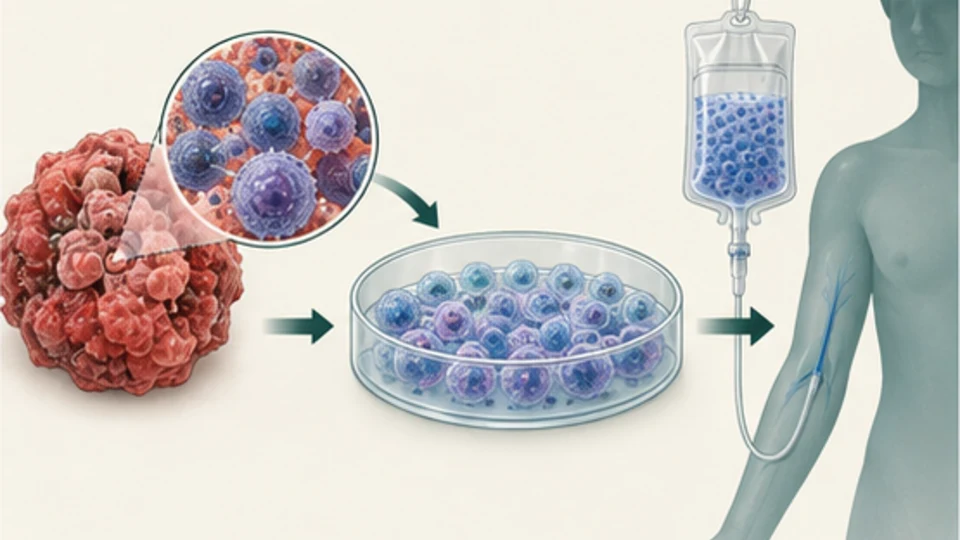
Advanced treatment
See the possibilities worth discussing
Learn how each option works, who is usually considered, and what to prepare.

Have a test result or a treatment question?
Start with the topic on your report, then prepare questions for your doctor.
Explore guides, costs, facilities, and tools
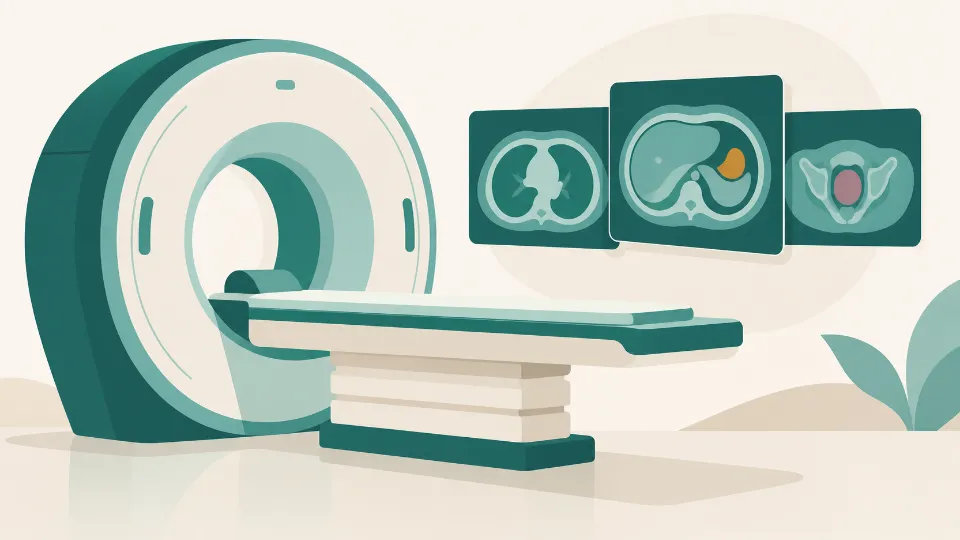
Cost
A cost picture before you decide
We do not publish prices we have not verified. What you get is the cost categories, the factors that move them, and how to prepare the budget questions.

Guides
Reading you can do before you meet your doctor



Explainers
Standing explainers, not news
Every piece is labelled an explainer, names its sources, and does not report current events.
- 01
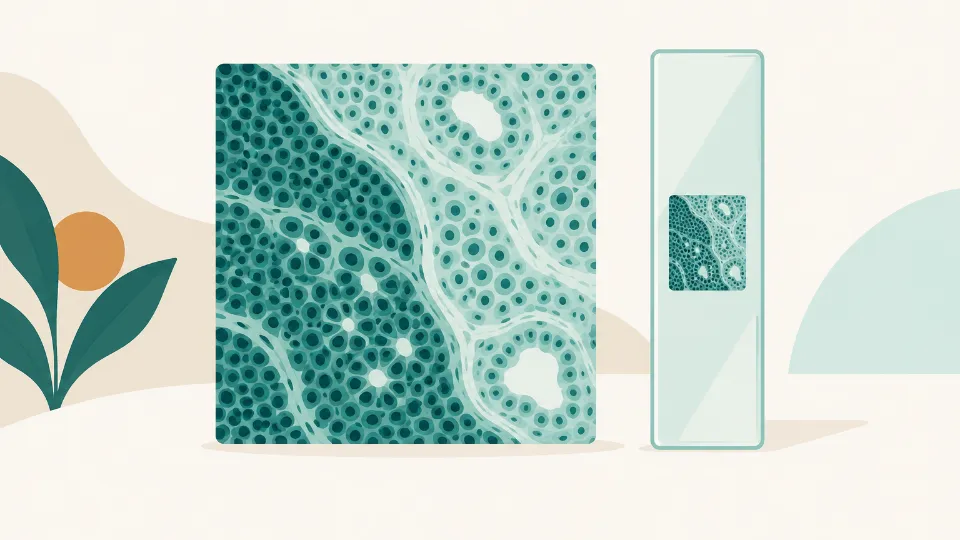 CLDN18.2: China approved zolbetuximab for first line care - what it means for Indonesian patientsChina's regulator, NMPA, approved zolbetuximab in June 2025 as first-line treatment with chemotherapy for advanced CLDN18.2-positive, HER2-negative gastric or gastroesophageal-junction adenocarcinoma. The decision changes what may be worth discussing, but it does not automatically mean the medicine is available in Indonesia or at every hospital in China.5 min read
- 02
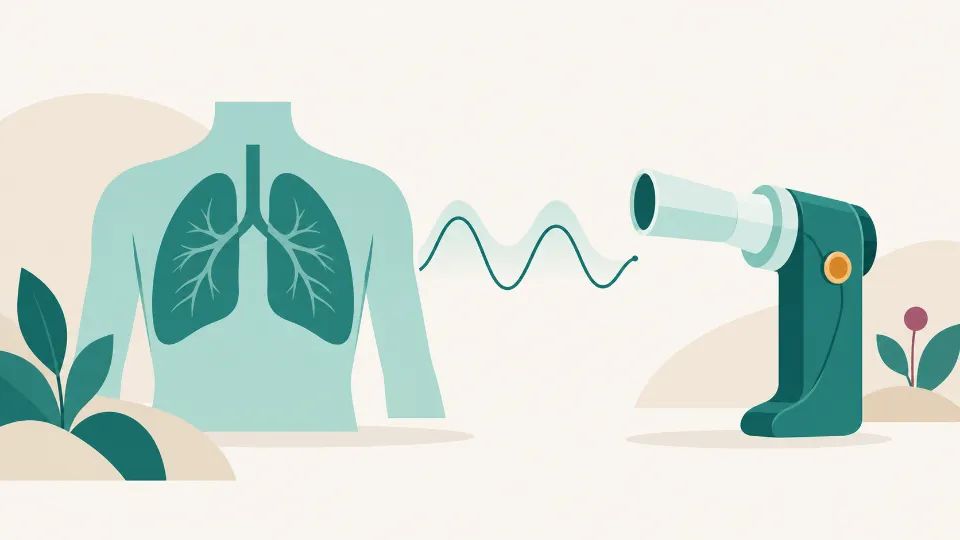 EGFR after osimertinib: fourth-generation trials are starting to report early resultsNo fourth-generation EGFR targeted therapy has been approved anywhere. Candidates such as JIN-A02 are being tested in phase 1/2 for patients who progress after osimertinib, including cases with C797S resistance. The published early results are small and are not proof of efficacy.6 min read
- 03
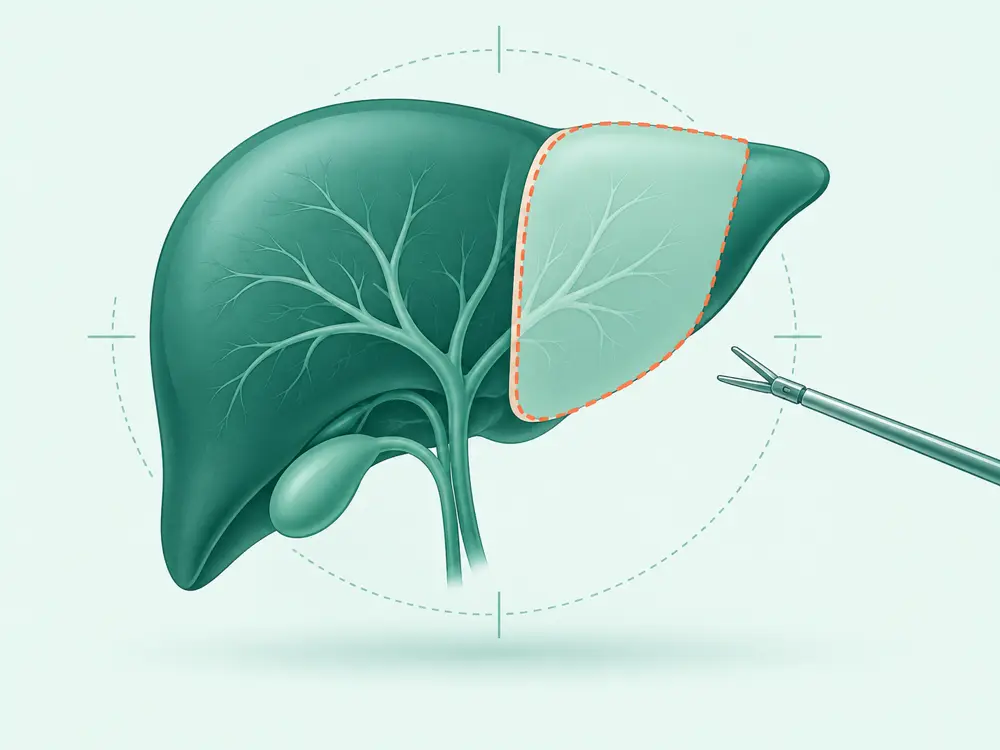 Why stage 4 is not one single diseaseStage 4 means cancer has spread beyond its original site, but it does not describe one uniform condition. Two people with stage 4 disease may differ by cancer type, spread pattern, molecular markers, and general condition.5 min read
- 04
 What biomarker results do and do not sayA biomarker result shows a tumor feature that can influence which treatment categories are discussed. It does not establish the final diagnosis, choose a regimen, or guarantee treatment success.6 min read
Facilities
Facilities you can check yourself
Name, city, type, and verification state are shown as they are. A listing is not a partnership, and we do not claim otherwise.

International access
Hospital capabilities should be inspectable
Review recorded capabilities, linked doctors, international patient pathways, and the last verified date. A listing is never presented as a partnership.
Foshan Fosun Chancheng Hospital
FIMC, CyberKnife M6, Da Vinci, and three published Fosun case narratives—with their sources and limits

Preparation tools
Arrive at the next conversation better prepared



Inspectable coverage
Real counts, without treatment-outcome claims
- cancer types
- 10
- biomarkers
- 25
- clinical trials
- 251
- treatments, drugs, and tests
- 141
1 verified - Trial data accessed 2026-10-16
For hospitals, cancer centres, and access partners
Bring your real capabilities to patients looking for their next step.
Partner With Us
Common questions
The questions patients ask most
Does TanyaKanker provide a diagnosis or final medical recommendation?
No. TanyaKanker provides structured information, question frameworks, and access pathways. Diagnosis and treatment decisions can only be made by a doctor who examines the patient directly.
Are my medical records uploaded to TanyaKanker servers?
Yes, after you sign in and give consent. Files are stored in private storage and can be opened only through your account or authorized staff using time-limited links. Files are never sent to analytics, and deletion can be requested.
Where does the clinical trial data come from?
Trial data comes from the public ClinicalTrials.gov registry and displays registry facts such as registration number, phase, recruiting status, and study locations. International access, cost, and site readiness are not registry facts and are marked unverified.
Does recruiting status mean I can join immediately?
No. Recruiting only means the study is listed as seeking participants. Suitability is determined by the study team using the protocol, and international acceptance needs separate confirmation.
See more questions
Does TanyaKanker partner with the hospitals listed?
No partnership claim is made. Facility profiles are compiled from public references and are not verified for referral unless stated explicitly on the page.
Why are treatment prices not shown?
Costs differ by facility, regimen, treatment length, and payment status. TanyaKanker does not publish estimates because numbers without context can mislead; instead it provides cost questions to ask facilities.
Does osimertinib resistance mean targeted therapy options are finished?
Not always. Resistance means the tumor is growing again despite osimertinib, and next steps depend on the mechanism found. Repeat tissue or blood testing is often discussed before options are reviewed.
What is the difference between repeat tissue biopsy and liquid biopsy?
Repeat tissue biopsy samples the tumor directly and can assess histology, including possible transformation. Liquid biopsy looks for tumor material in blood, is easier to repeat, and can reflect several sites, but may miss results when little DNA is shed into blood.
Are facility cost estimates final?
No. Initial estimates use assumptions such as length of stay and number of cycles, so the cost can change if the plan changes, complications occur, or therapy is extended.
What documents help when asking for a cost estimate?
Facilities usually need the diagnosis and histology, current stage or disease location from recent imaging, the treatment being considered, and prior-treatment history. Pathology and molecular reports can make the estimate more accurate.
What is the difference between registry, site, and international access status?
They are different statuses. Registry status shows a study is listed as recruiting, site status shows a facility is active for the study, and international access shows whether patients from outside the country may be accepted.
Should I ask for a second opinion before starting treatment?
A second opinion is most useful when uncertainty could change the plan, such as unclear diagnosis, incomplete markers, or progression. If the plan is clear and no question remains open, the value may be smaller.
Does approval in another country mean the medicine is available in Indonesia?
No. Regulator approval applies to that jurisdiction. Availability, marketing authorization, and payment coverage in Indonesia are separate and must be confirmed separately.
Why can treatment guidelines differ between countries?
Guidelines consider evidence, medicine availability, regulation, and local service context. Different guidance may emphasize different options and does not automatically mean one is wrong.
These answers explain how TanyaKanker works. They are not medical advice.
Start with the reports you already have.
Build a case summary, see what information is missing, and choose a next step without false promises.
Need a human? See paid services Illustrative visual