Standard treatment
Surgery (oncologic surgery)
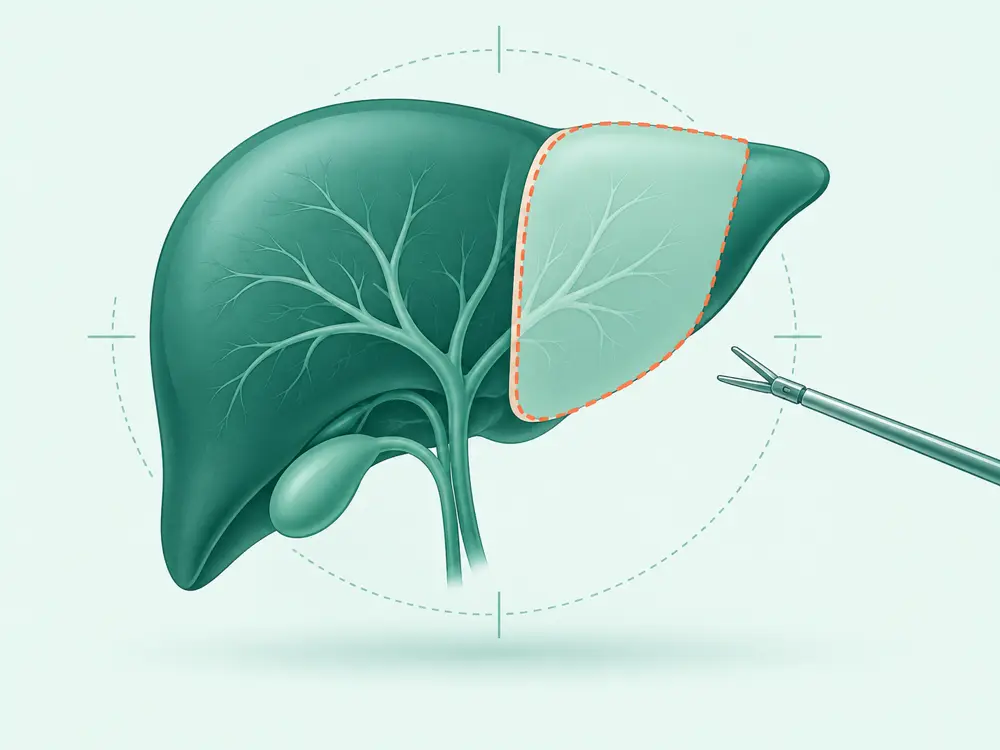
Removal of a tumour through surgery, often part of a plan intended to cure early-stage solid cancers.
Not a diagnosis and not final medical advice. Must be reviewed by a doctor.
What is it?
Surgery aims to remove the tumor and, if necessary, the surrounding lymph nodes.
In some cancers, surgery is combined with prior or subsequent therapy.
Planning depends on the location of the tumor, size, and general condition of the patient.
The surgeon removes the tumor tissue with a margin of surrounding healthy tissue, and the results are examined by pathology to assess the incision margins and lymph nodes.
How it works
The surgeon removes the tumor tissue with a margin of surrounding healthy tissue, and the results are examined by pathology to assess the incision margins and lymph nodes.
Position in the treatment pathway: Generally considered at a stage that can still be removed. In advanced disease, surgery can serve certain purposes such as reducing symptoms.
Which cancers is it usually discussed for?
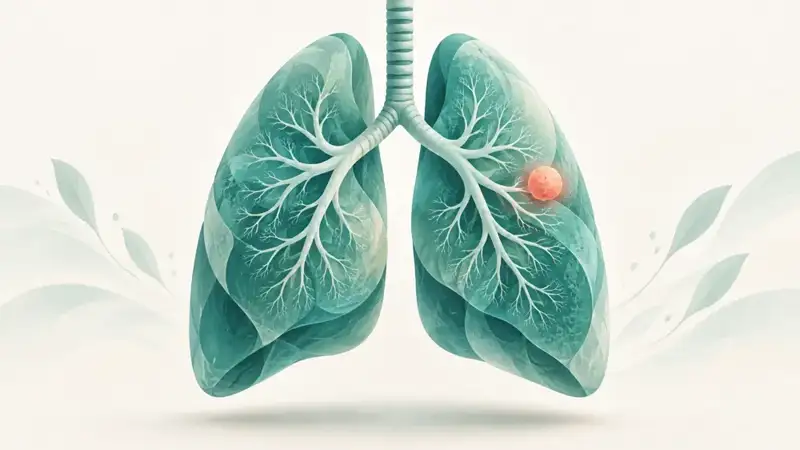
Lung Cancer
Lung cancer is divided into non-small-cell and small-cell groups, and molecular markers strongly shape which treatment options are discussed.
Open cancer page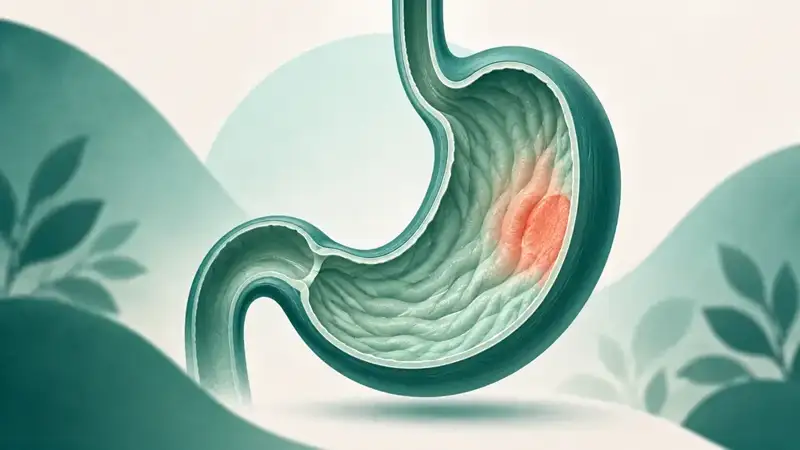
Stomach Cancer
Stomach cancer is most often adenocarcinoma, and HER2, PD-L1, MSI/MMR and CLDN18.2 status can change which treatment options are discussed.
Open cancer page
Usually considered
- The tumor was judged to be completely resectable based on imaging.
- General condition and organ function adequate to undergo anesthesia.
- Consent after explanation of risks and alternatives.
Usually not a candidate
- Tumors that have spread far and cannot be removed completely.
- Medical conditions that make the risk of surgery too high.
What is the process like?
Preparation 1
Recent imaging examination.
Preparation 2
Laboratory examination and assessment of organ function.
Preparation 3
Adjust certain medications according to doctor's instructions.
Monitoring
Post-action monitoring.
All preparation
- Recent imaging examination.
- Laboratory examination and assessment of organ function.
- Adjust certain medications according to doctor's instructions.
All monitoring
- Post-action monitoring.
- Schedule follow-up pathology and imaging evaluations.
Risks and points to watch
Side-effect notes, not a complete list
- Pain and tissue recovery period.
- The risk of bleeding or infection is discussed by the surgical team.
- The impact on specific organ function depends on the site of action.
What needs to be checked?

Tumour tissue biopsy
Collection of tumour tissue to confirm the diagnosis and provide material for further testing.
View test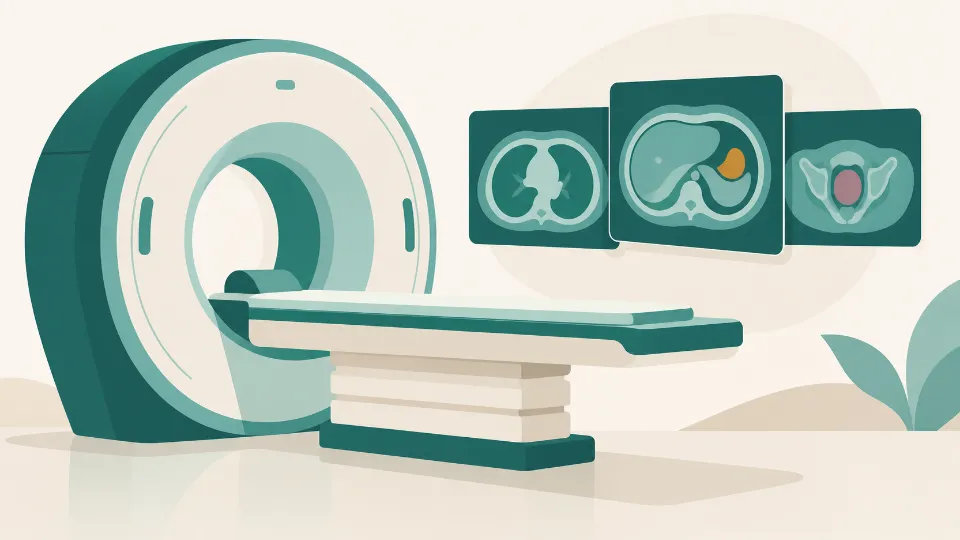
CT scan
Cross-sectional imaging to assess tumour size, location, and nearby organs.
View test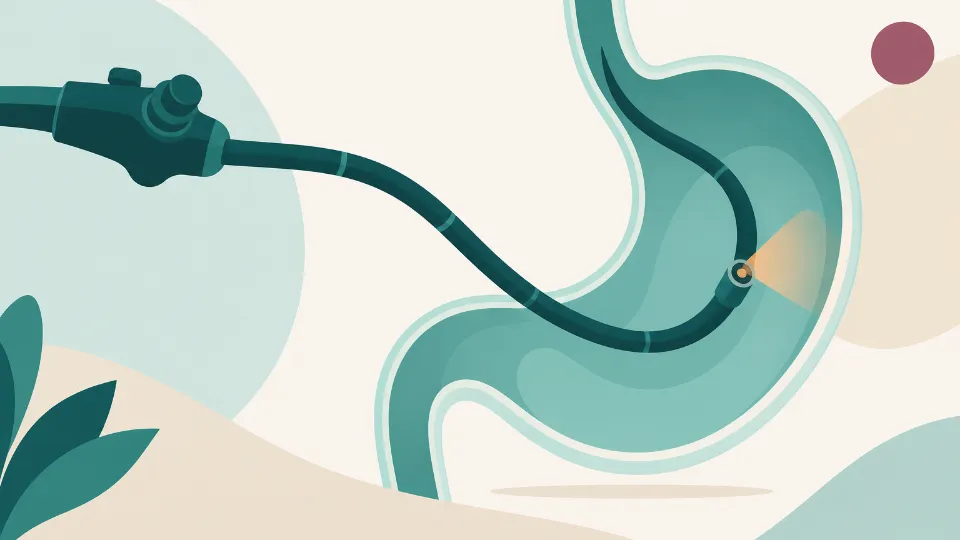
PET-CT
Combined imaging that shows metabolic activity and anatomical location.
View test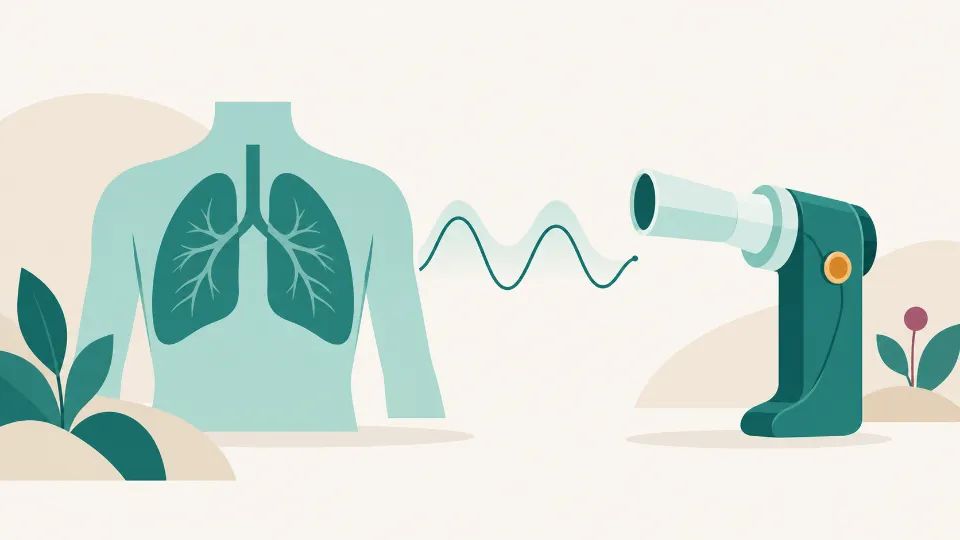
Spirometry (lung function)
A lung function test to assess breathing capacity before certain procedures.
View test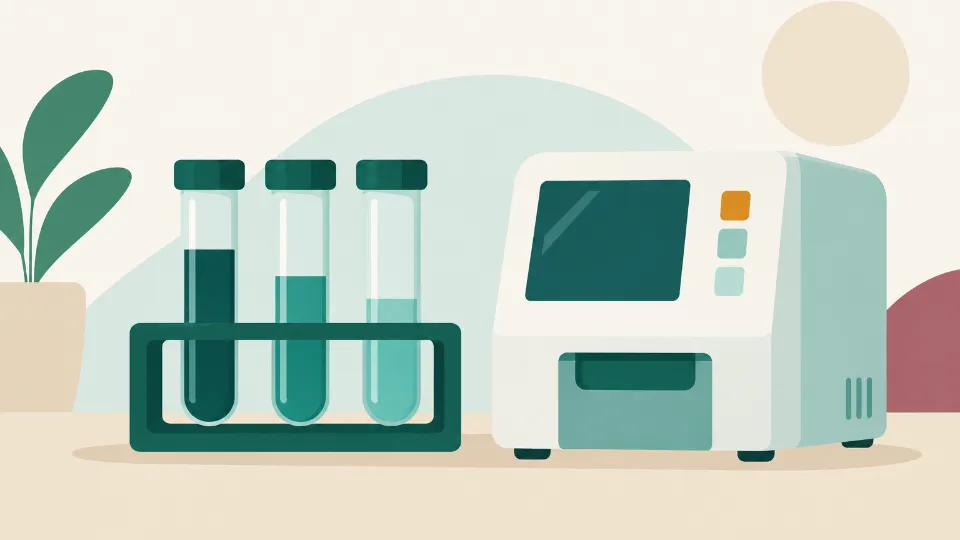
Blood laboratory tests
Routine blood tests to assess general condition, organ function, and selected markers.
View test
Cost and access
Cost figures depend heavily on location, facility and payer. We do not show estimated figures on this page; what can be prepared first are the questions.
Providers and clinical trials
Access status not yet verified
NO DATA
No studies in the latest registry data mention this treatment category in their description.
Questions for the doctor
- What is the purpose of this action: to cure, control, or reduce symptoms?
- What is the plan if the pathology results find something unexpected?
- How does recovery usually progress and what signs should be reported immediately?
Sources
- NCI Dictionary of Cancer Terms(lembaga)
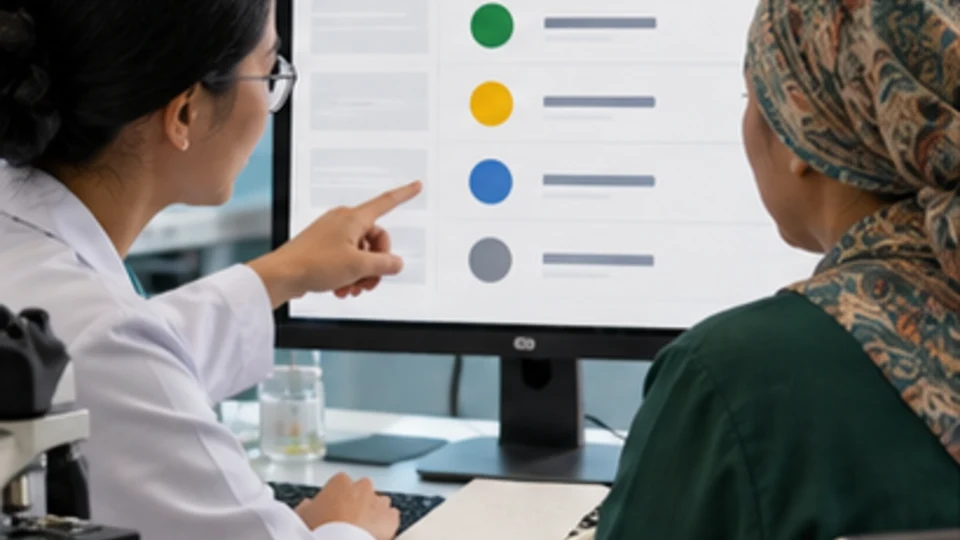
Is Surgery (oncologic surgery) relevant for my case?
Ask for an initial review. We will explain which documents and markers need to be completed before discussion with a doctor.
Upload reports
Photos or PDFs of pathology, biomarkers, imaging and treatment history.
Case structured
Documents are turned into a structured case summary.
Navigator review
A human navigator checks completeness before anything is shared.
Provider review
With your consent, the case is discussed with providers for assessment and a written quote.
Is Surgery (oncologic surgery) relevant for my case?
Ask for an initial review. We will explain which documents and markers need to be completed before discussion with a doctor.
After submission, a human navigator reviews your request and contacts you through your chosen channel. The WhatsApp message already includes this page context, so you do not need to explain from the beginning.
Clinical data is not requested in the form and is not sent to analytics. Do not send medical reports through WhatsApp or email; use the secure upload page. We do not promise eligibility or any treatment outcome.

Next steps
These suggestions come from links between entries in TanyaKanker's database, not from a medical judgement. Each suggestion includes why it appears.
To check
- Tumour tissue biopsy
Diagnostic test
Reason: Memerlukan pemeriksaan
- CT scan
Diagnostic test
Reason: Memerlukan pemeriksaan
- Newly diagnosed lung cancer
Decision situation
Reason: Mungkin memerlukan
- Lung cancer that is still operable
Decision situation
Reason: Mungkin memerlukan
- Blood laboratory tests
Diagnostic test
Reason: Memerlukan pemeriksaan
- PET-CT
Diagnostic test
Reason: Memerlukan pemeriksaan
What you can do
- Upload medical reports
Build a case summary in twelve steps
Reason: Often the most useful next step after reading this page
- Request a second opinion
Review of the treatment plan
Reason: Relevant when a treatment plan is being considered
- Consult a navigator
A request is recorded with this page context
Reason: For asking the next step directly
Recently updated
- Leukemia
Cancer page
Date: Data revision 2026-09-10
- Brain Cancer
Cancer page
Date: Data revision 2026-09-10
- Pancreatic Cancer
Cancer page
Date: Data revision 2026-09-10
- Testing Osimertinib as a Treatment for Lung Cancers With an EGFR Exon 20 Change
NCT03191149 - Phase 2
Date: Registry update in the last 30 days (2026-10-15)
Want to follow changes on this topic? Save the page or follow the topic so it is easy to find again. View saved items.
Prepare for your next consultation
Use the free six-question tool to prepare questions for your doctor.