How to read clinical trial inclusion and exclusion criteria
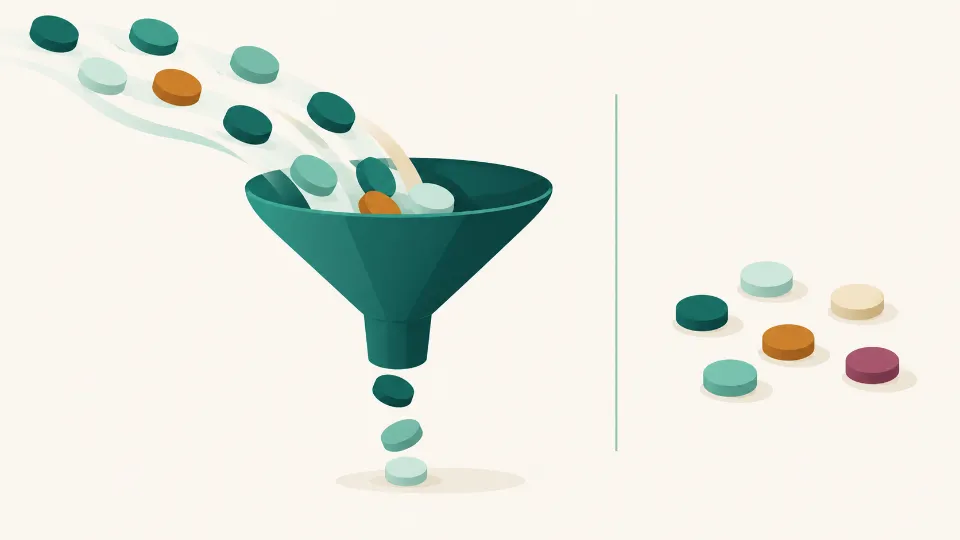
Inclusion criteria describe who may take part; exclusion criteria describe who may not. They must be read together, and the final assessment remains with the study team.
Prepared and published by TanyaKanker
For: Patients and families assessing whether a study is relevant
Medical review status
30-second answer
The key point
Inclusion criteria describe who may take part; exclusion criteria describe who may not. They must be read together, and the final assessment remains with the study team.
This is an educational summary, not a diagnosis or final treatment recommendation.
Two lists read together
A trial can look relevant from its title while still having criteria that limit who can join.
- Cancer type and subtype.
- Stage or disease state.
- Biomarker result.
- Previous treatment, age, organ function, and performance status.
Criteria describe the study, not a personal judgement
Criteria are written for a research protocol. They are not a statement of a person's worth or overall treatment options.
A person may not fit one trial and still have other medical options to discuss.

Penjelasan visual
Read one study step by step
A reading sequence that helps you assess a study page in a few minutes.
This diagram explains the sequence of assessment and discussion. It is not treatment advice or an eligibility decision.
Read the title and phase
The phase indicates how far testing has progressed.
Check the main criteria
The criteria define who may and may not participate.
Compare them with your records
Note any criteria you cannot yet confirm.
Contact the study centre
Only the study centre can assess eligibility.
Follow the screening process
This includes additional tests and the consent explanation.
Read study criteria as a checklist, not as an assessment of your eligibility.
Why early assessment can differ from the final result
A public record usually does not contain the full protocol detail needed for a final decision.
The study team may need original records, lab values, imaging, and direct clinical assessment.
Questions to ask
Ask questions that separate what is known from what still needs protocol review.
- Which criteria are clearly met from the records?
- Which criteria need more documents?
- Who makes the final study decision and when?

Langkah berikutnya
If you have medical reports, build a case summary so your documents and questions are organised before consultation.