BRAF
Other names: BRAF V600E, BRAF mutation
BRAF V600E mutation can be discussed in the category of combination targeted therapy for some patients.
Not a diagnosis and not final medical advice. Must be reviewed by a doctor.
Plain explanation
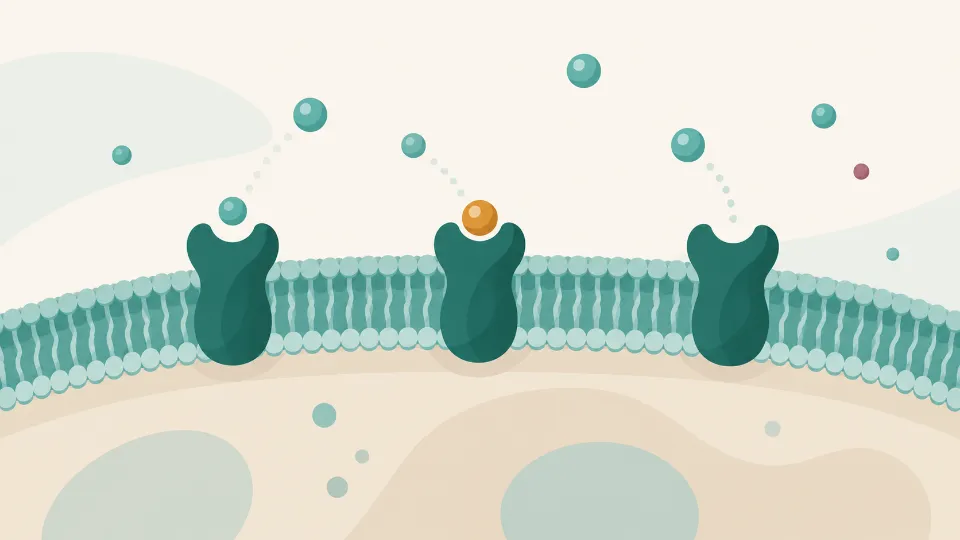
BRAF is a gene that regulates cell growth signals. Certain changes, especially the V600E, can keep the signal active.
Clinical meaning
BRAF V600E in non-small-cell lung cancer is usually discussed within the framework of combination targeted therapy. These markers are also important in other cancers, including melanoma and colorectal cancer, with different approaches.
Testing methods
- Next-generation sequencing (NGS)
A test that reads many genes from one tumour sample to find actionable changes.
- BRAF PCR
A focused test for changes in the BRAF gene.
- Immunohistochemistry (IHC)
A test that uses antibodies to mark specific proteins in tumour tissue.
- Liquid biopsy (ctDNA)
A blood test that looks for tumour genetic material to supplement or partly replace tissue testing.
A negative result does not always mean the marker is absent
Test sensitivity differs by sample type and method. Results need to be read together with the pathology report and clinical condition.
What needs verification
- Specific BRAF variants (V600E versus non-V600).
- Is the drug combination available and can be paid for?
- History of previous therapy and response.
- Other findings from the molecular panel may coincide.
Related drugs
- Dabrafenib
BRAF inhibitors
- Trametinib
MEK inhibitor
- Encorafenib
BRAF inhibitors
A link here means the marker is often part of considering a drug category, not a recommendation to use it.
Clinical trials
Studies mentioning this marker
Filtered from public study descriptions. Access status and site readiness remain unverified.
NCT03340506Phase 4Targeted therapy
Dabrafenib and/or Trametinib Rollover Study
Lung Cancer | biomarker: BRAF | Targeted therapy
United States, Argentina, Austria +1130 registry sites
Why this appears: Appears because it is recorded for Lung Cancer, it mentions marker BRAF, the treatment category is Targeted therapy.
What to verify: Acceptance of patients from outside the local country has not been verified.
- Registry
- Recruiting in registry
- Site
- Not verified
- International access
- Unknown
- Patient match
- Not assessed
Last checked 16 Oktober 2026Source ClinicalTrials.govNCT03340506Not verified
NCT05786924Phase 1 / Phase 2Targeted therapy
Phase 1/2 Trial of S241656 in Selected RAS/MAPK Mutation- Positive Malignancies
Lung Cancer | biomarker: KRAS, BRAF | Targeted therapy, Chemotherapy
United States, Australia, China +749 registry sites
Why this appears: Appears because it is recorded for Lung Cancer, it mentions marker KRAS, the treatment category is Targeted therapy.
What to verify: Acceptance of patients from outside the local country has not been verified.
- Registry
- Recruiting in registry
- Site
- Not verified
- International access
- Unknown
- Patient match
- Not assessed
Last checked 16 Oktober 2026Source ClinicalTrials.govNCT05786924Not verified
NCT02693535Phase 2Combination regimen
TAPUR: Testing the Use of Food and Drug Administration (FDA) Approved Drugs That Target a Specific Abnormality in a Tumor Gene in People With Advanced Stage Cancer
Multiple Myeloma | biomarker: BRAF | Immunotherapy, Targeted therapy
United States, Puerto Rico176 registry sites
Why this appears: Appears because it is recorded for Multiple Myeloma, it mentions marker BRAF, the treatment category is Immunotherapy.
What to verify: Acceptance of patients from outside the local country has not been verified.
- Registry
- Recruiting in registry
- Site
- Not verified
- International access
- Unknown
- Patient match
- Not assessed
Last checked 16 Oktober 2026Source ClinicalTrials.govNCT02693535Not verified
Check options based on your result
Share the BRAF result you have so we can explain which categories to discuss with a doctor.
After submission, a human navigator reviews your request and contacts you through your chosen channel. The WhatsApp message already includes this page context, so you do not need to explain from the beginning.
Clinical data is not requested in the form and is not sent to analytics. Do not send medical reports through WhatsApp or email; use the secure upload page. We do not promise eligibility or any treatment outcome.
Next steps
These suggestions come from links between entries in TanyaKanker's database, not from a medical judgement. Each suggestion includes why it appears.
Next to learn
- Colorectal Cancer
Cancer type
Reason: Related through a biomarker
- Lung Cancer
Cancer type
Reason: Related through a biomarker
- Newly diagnosed lung cancer
Decision situation
Reason: Related through a biomarker
- Metastatic lung cancer
Decision situation
Reason: Related through a biomarker
- BRAF V600E
Molecular alteration
Reason: Related through a biomarker
- Targeted therapy
Treatment category
Reason: Related through a biomarker
To check
- Immunohistochemistry (IHC)
Diagnostic test
Reason: Diperiksa melalui
- Liquid biopsy (ctDNA)
Diagnostic test
Reason: Diperiksa melalui
- Next-generation sequencing (NGS)
Diagnostic test
Reason: Diperiksa melalui
- BRAF PCR
Diagnostic test
Reason: Diperiksa melalui
- Check medical report completeness
Tool
Reason: Prepare documents that still need confirmation
- Prepare questions for your doctor
Tool
Reason: Bring clear questions to the next conversation
What you can do
- Upload medical reports
Build a case summary in twelve steps
Reason: Often the most useful next step after reading this page
- Request a second opinion
Review of the treatment plan
Reason: Relevant when a treatment plan is being considered
- Consult a navigator
A request is recorded with this page context
Reason: For asking the next step directly
Recently updated
- Leukemia
Cancer page
Date: Data revision 2026-09-10
- Brain Cancer
Cancer page
Date: Data revision 2026-09-10
- Pancreatic Cancer
Cancer page
Date: Data revision 2026-09-10
- Testing Osimertinib as a Treatment for Lung Cancers With an EGFR Exon 20 Change
NCT03191149 - Phase 2
Date: Registry update in the last 30 days (2026-10-15)
Want to follow changes on this topic? Save the page or follow the topic so it is easy to find again. View saved items.
Prepare for your next consultation
Use the free six-question tool to prepare questions for your doctor.